Skanska
Enterprise Digitalisation in Construction
2013 — 2020
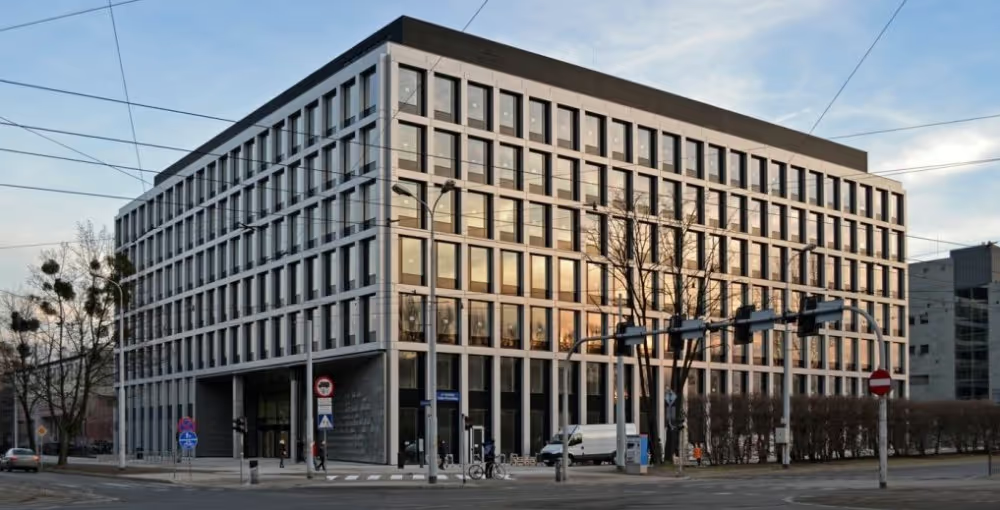
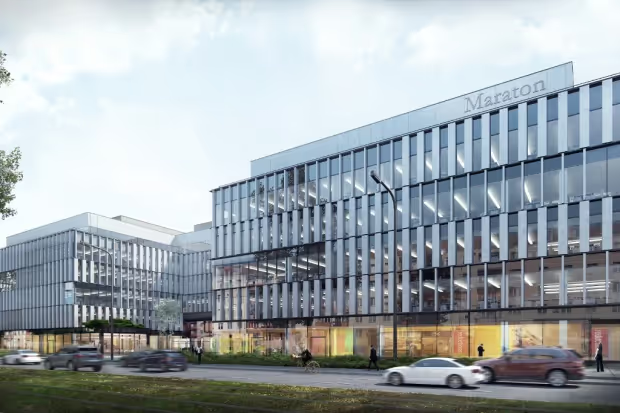
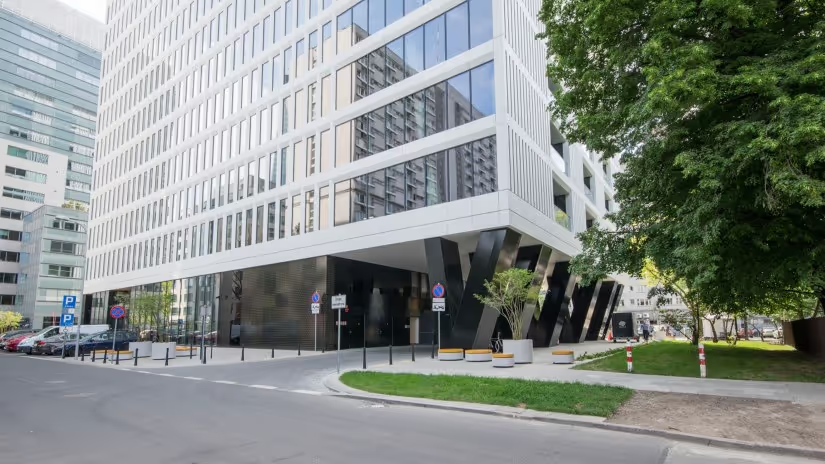
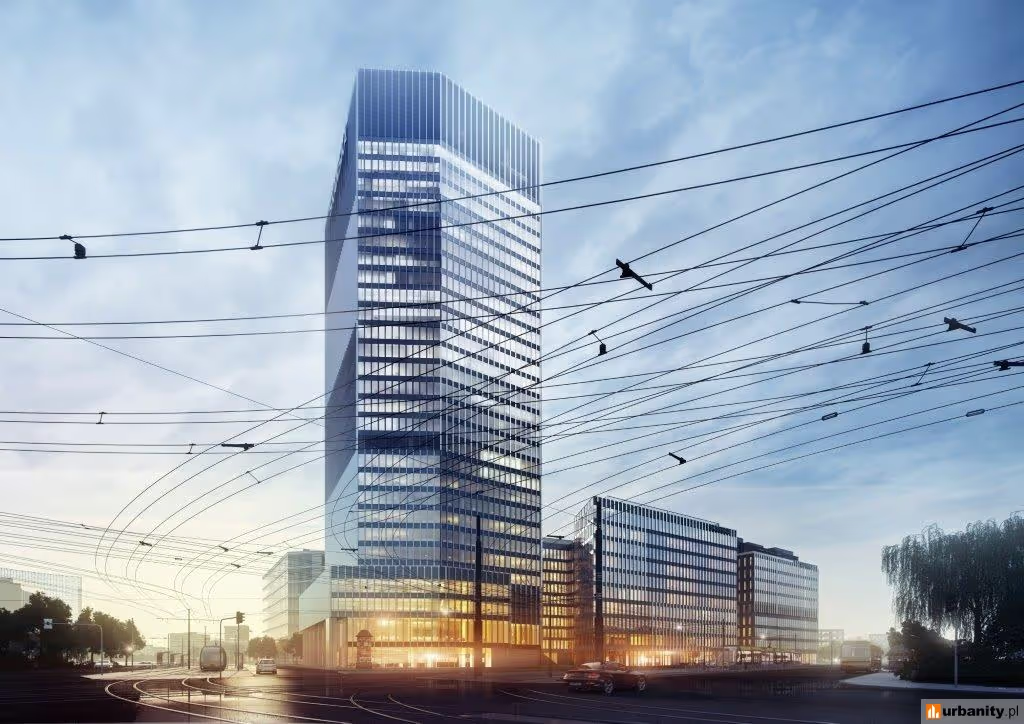
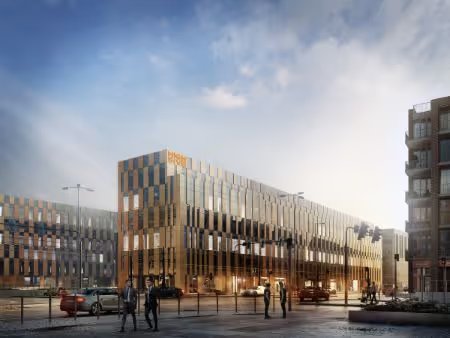
Between 2013–2020, I co-led Skanska’s digital transformation in Central Europe — evolving local prototypes into S360, a modular platform connecting safety, compliance, and financial operations across projects worth hundreds of millions.
As an external R&D lead, I partnered directly with business, IT, and governance leaders to define the platform’s architecture and long-term strategy. Over seven years, we transformed field tools into an enterprise ecosystem that bridged people, data, and decisions.
The platform was built around three core pillars:
EHS (Safety & Compliance) – making safety visible.
DMS (Document Management) – making trust measurable.
Revenue (Financial Simulation) – making direction possible.
Together, they became proof that even a 125-year-old construction company could operate like a digital product organization — with shared data, unified systems, and transparent decisions.
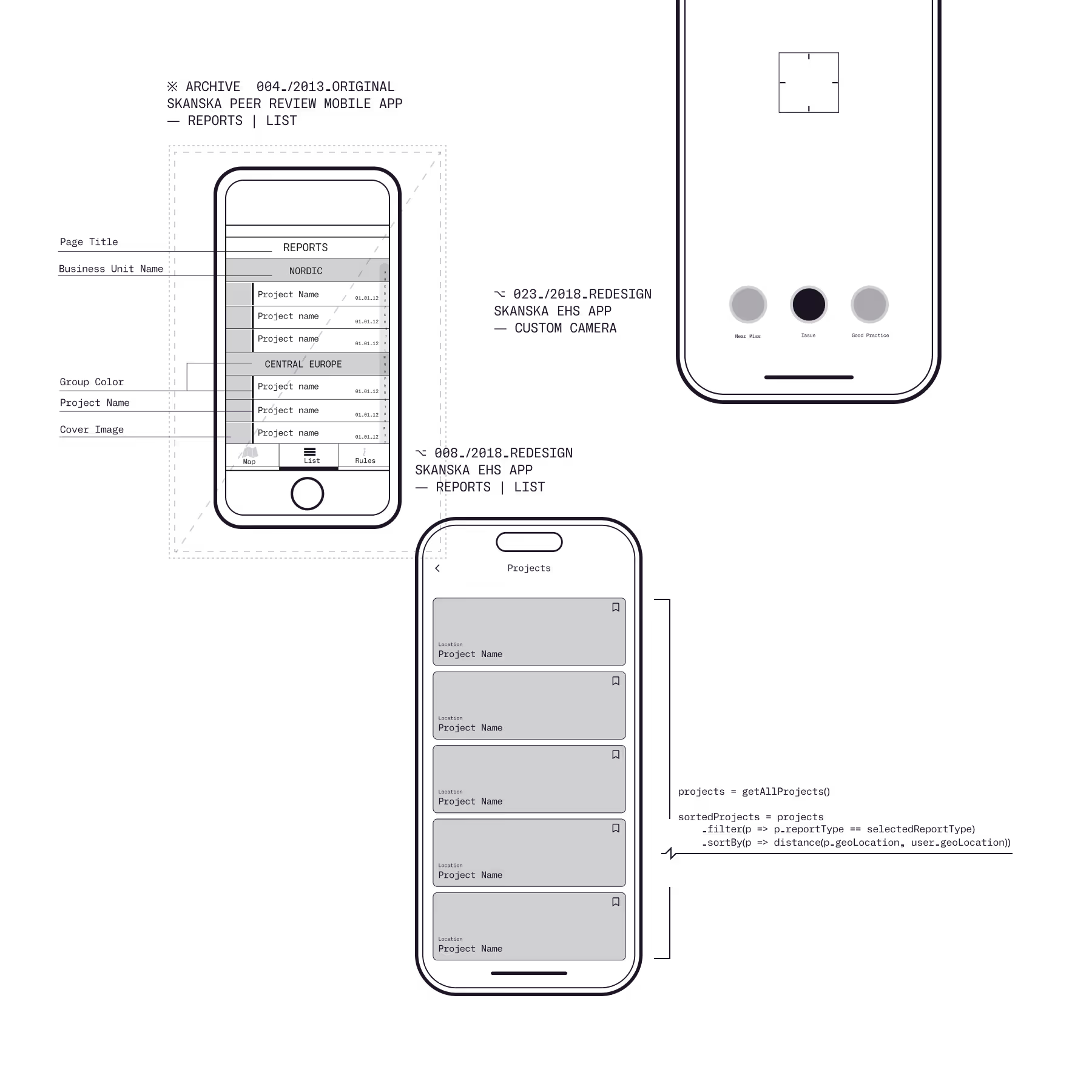
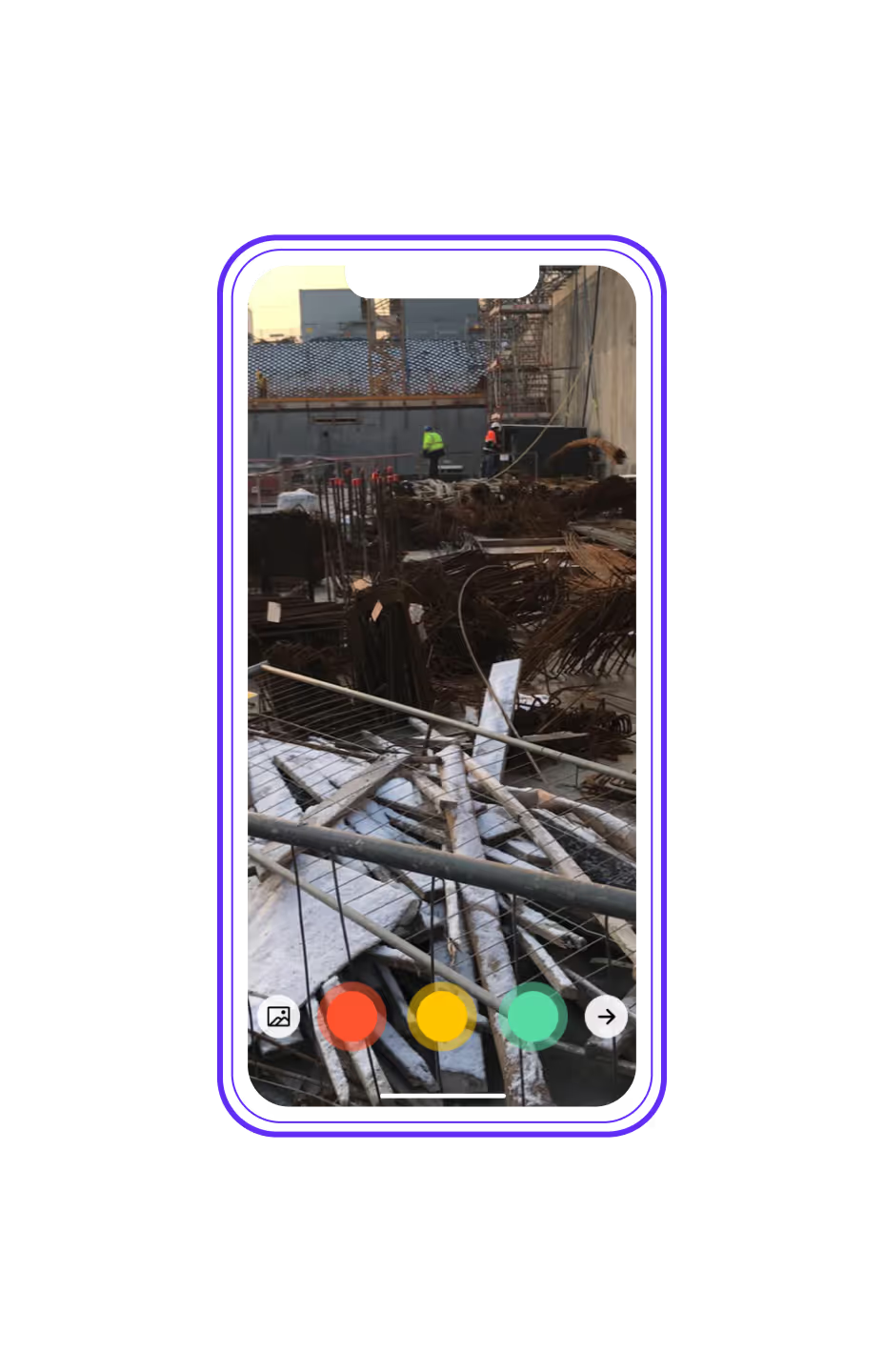
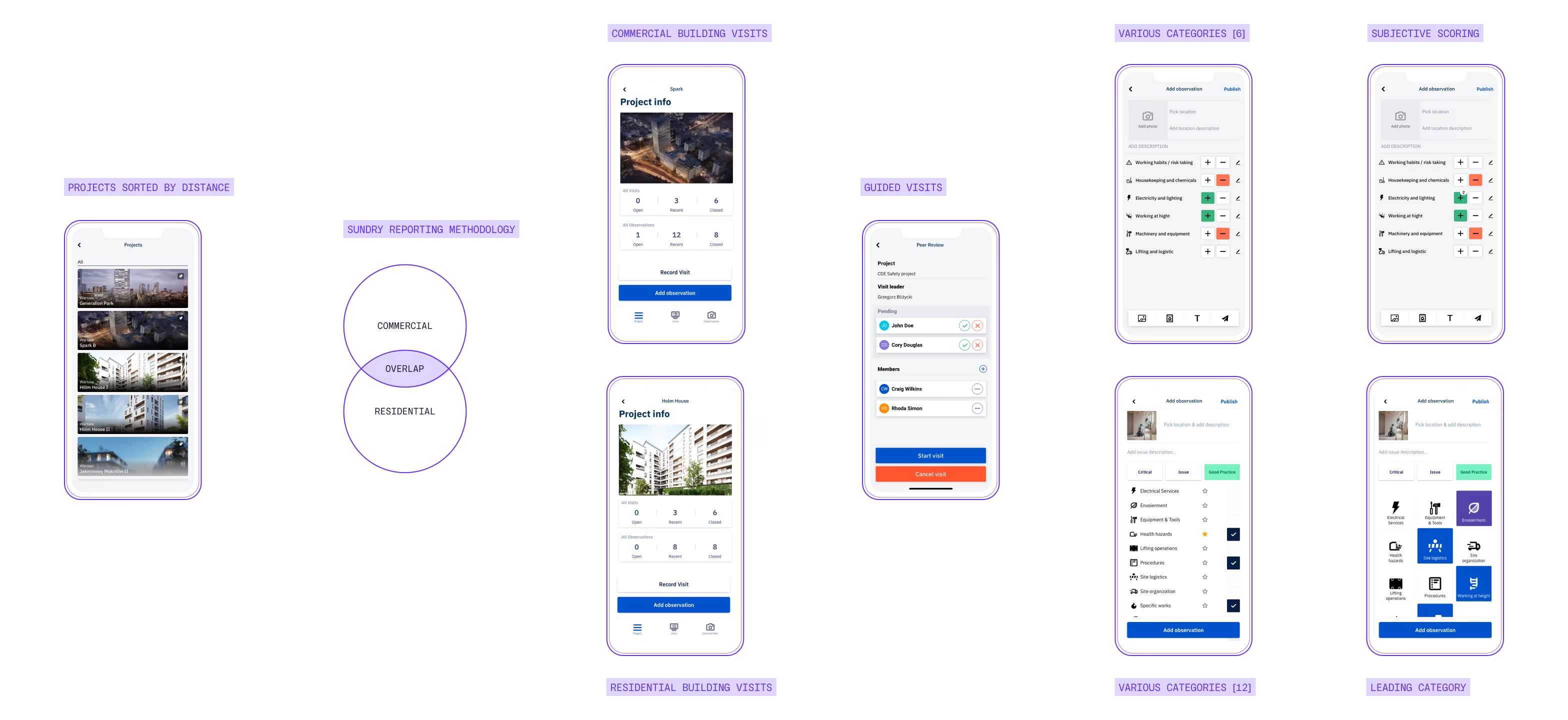
EHS began in 2013 as Skanska Peer Review — the company’s first mobile app for safety inspections.
Built by a two-person team, it replaced cameras and paper notes with a digital workflow for capturing, categorizing, and reporting incidents directly from the construction site.
It was designed offline-first, with GPS and weather metadata automatically enriching every report.
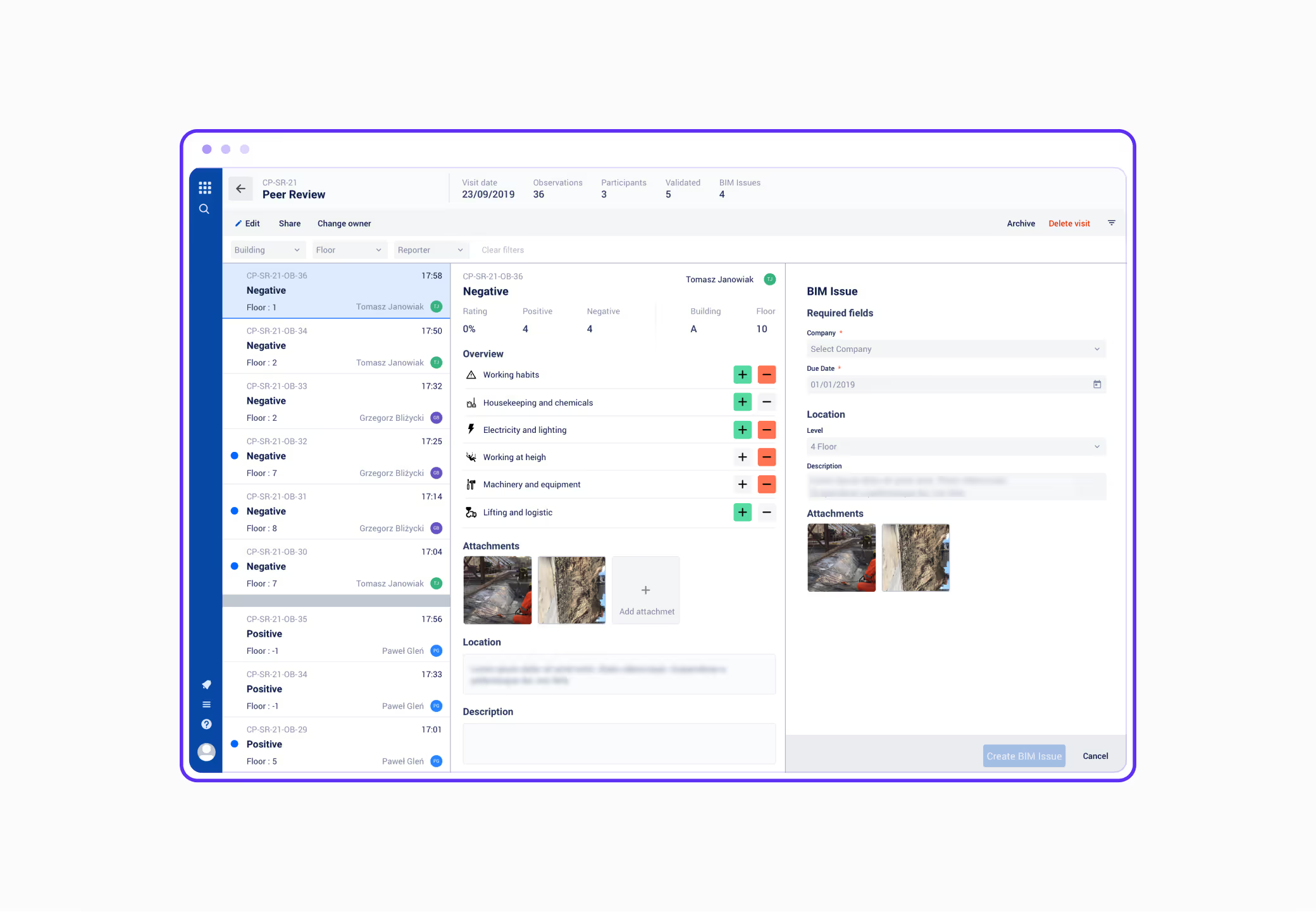
When Skanska launched its enterprise platform (S360) in 2018, Peer Review evolved into EHS — the safety backbone of the platform.
We mapped the legacy logic into a new system model, integrated with Azure AD, Power BI, and Autodesk BIM, and built dashboards that made risk visible across projects.
“When reporting became instant, people started fixing — not just noting.”
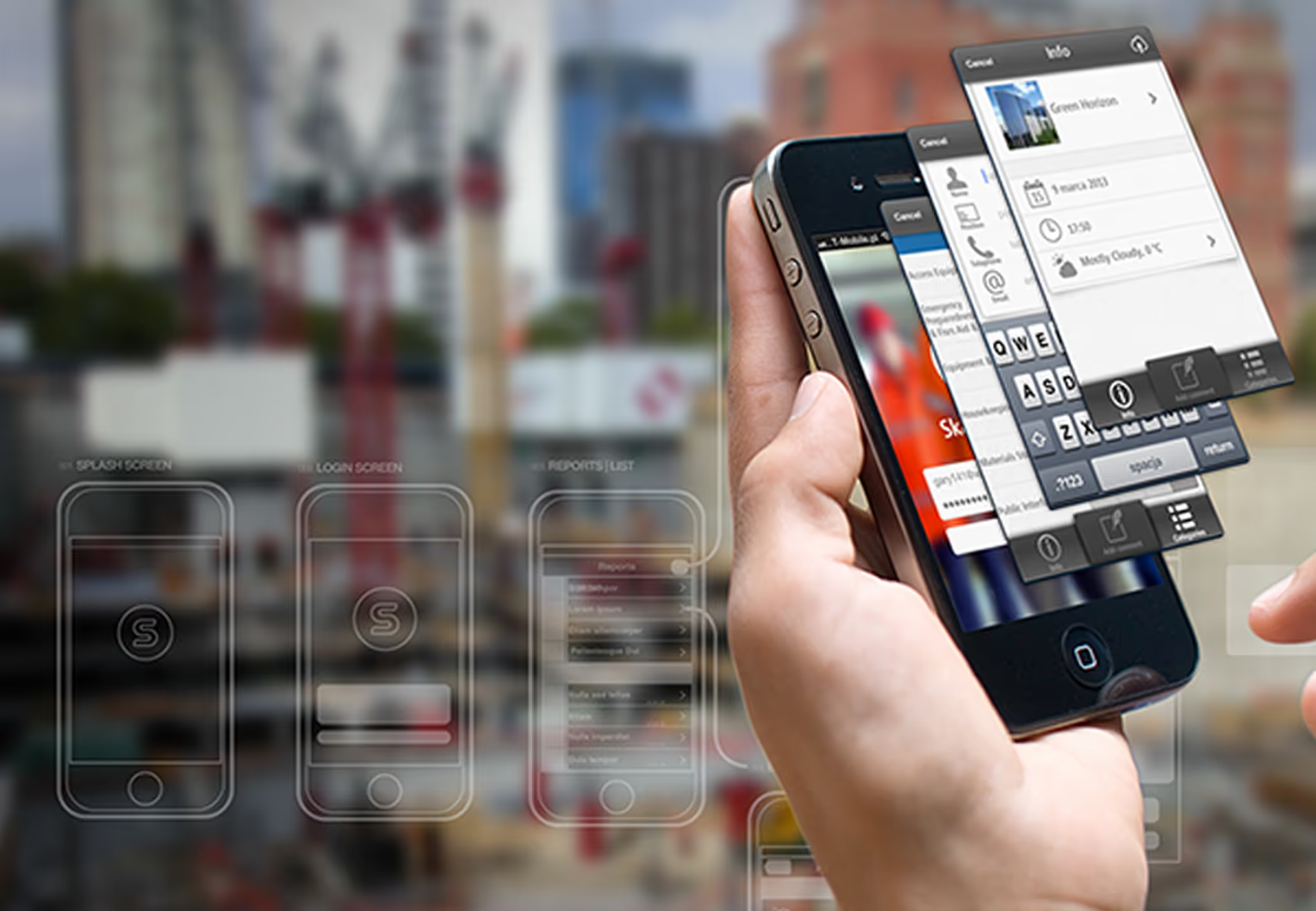
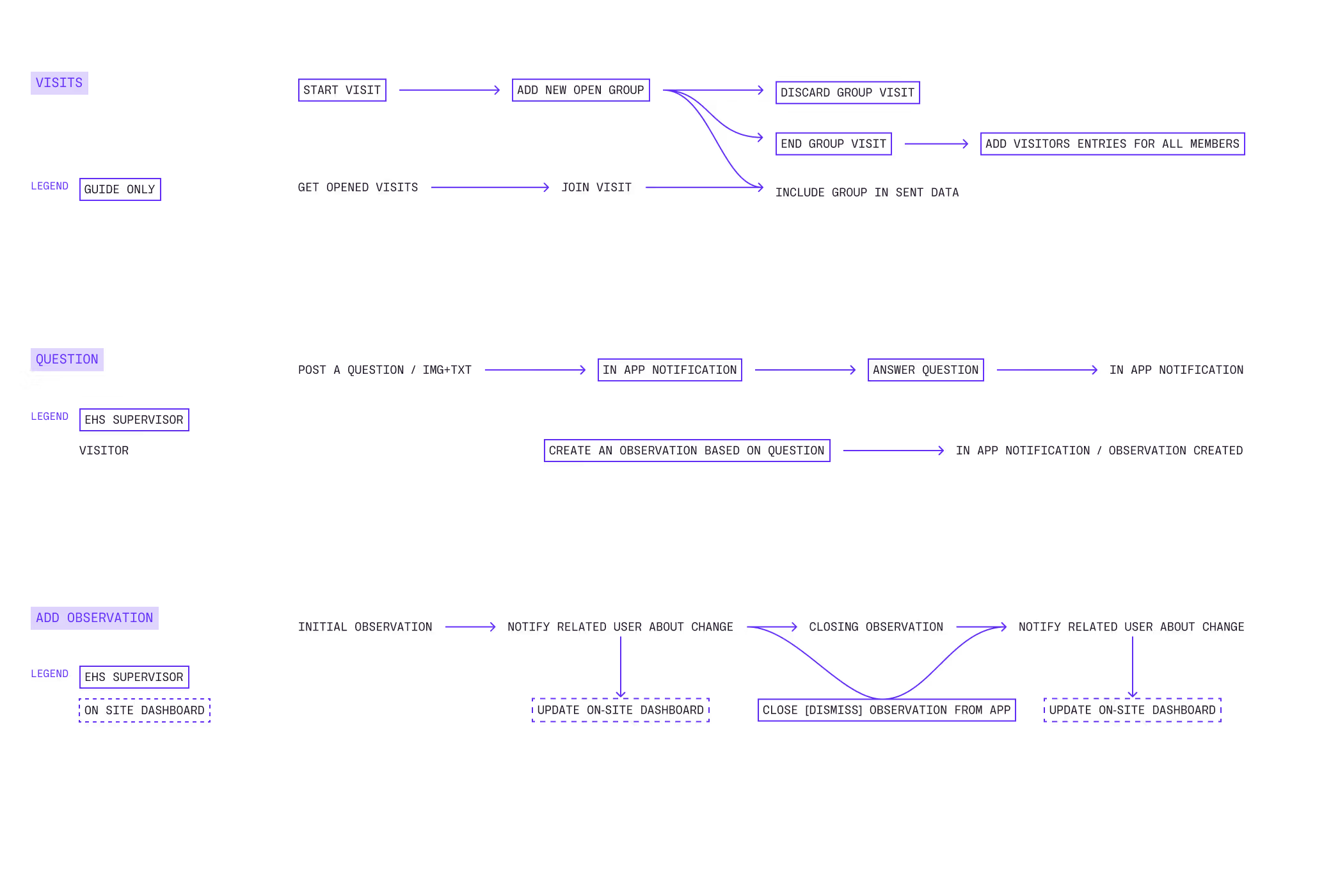
Designed core user flows and interaction models for offline safety reporting.
Co-defined the S360 data schema for incidents and audits.
Partnered with compliance and IT to align EHS with governance standards.
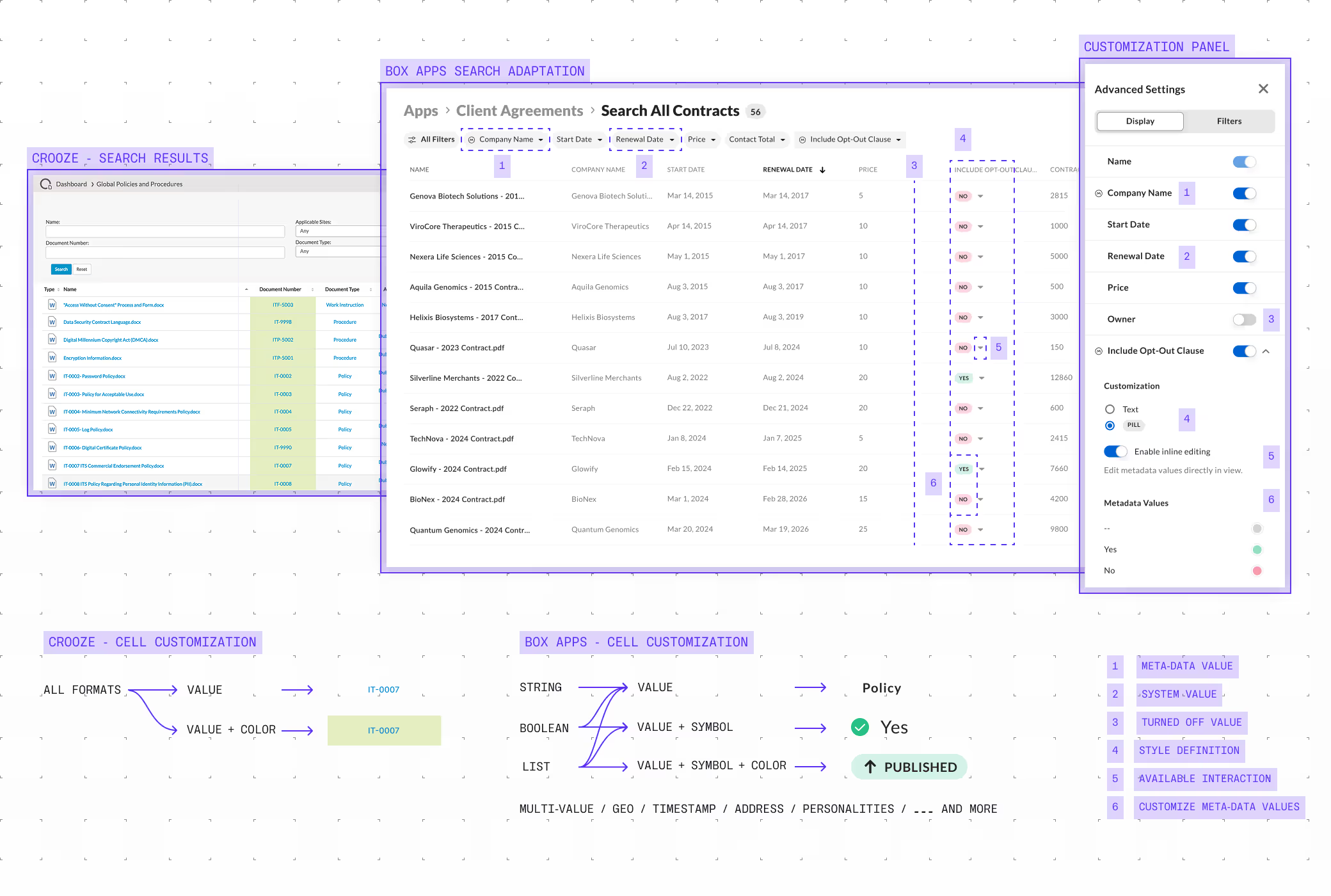
Redesigned Search into a metadata-driven dashboard, transforming it from a retrieval tool into the backbone of enterprise workflows.
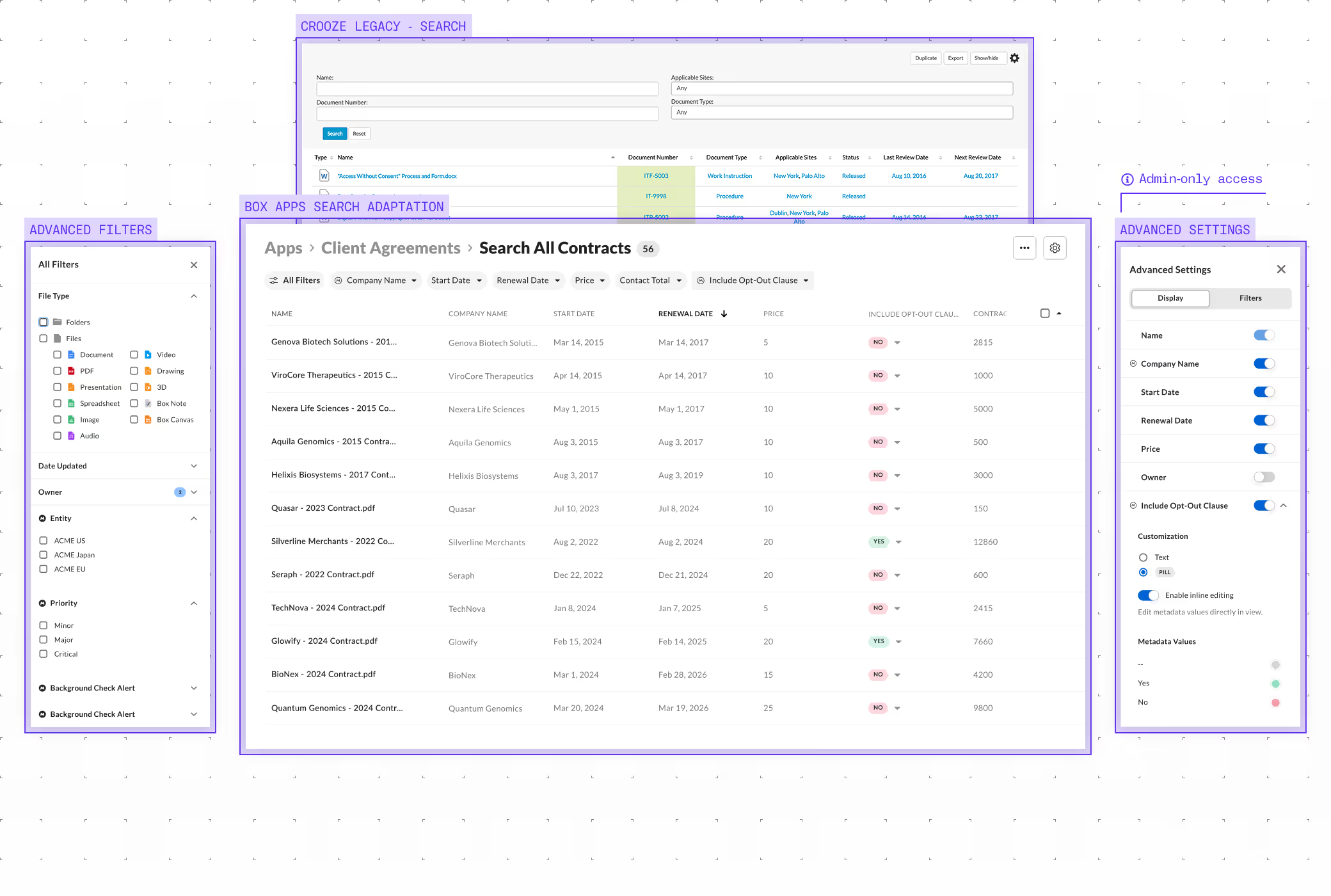
Standardized Crooze’s flexible customizations into extensible Box patterns. Delivered a lightweight pilot to accelerate launch while ensuring long-term scalability.
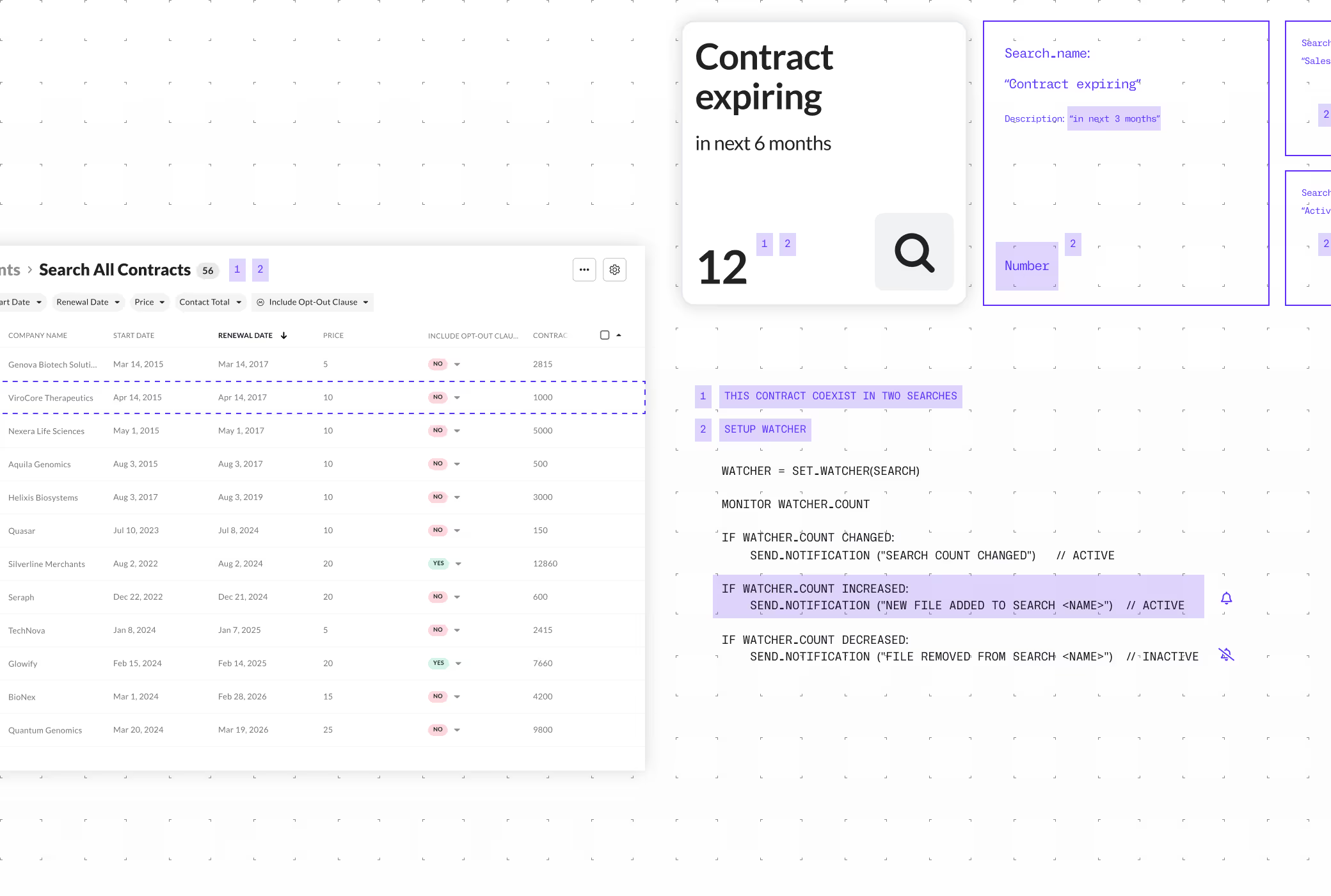
Co-designed with Alain Monier an MVP notification system that unblocked release while setting direction for future Content Automation.
Launched as a fully native Box App in just four months.
Reports generated 70 % faster, data consistency across all sites.
200+ active users, thousands of monthly observations.
Real-time dashboards that connected field activity with executive oversight.
EHS proved that design could go beyond efficiency — it could protect people and shift behavior. That mindset became the foundation for everything that followed.
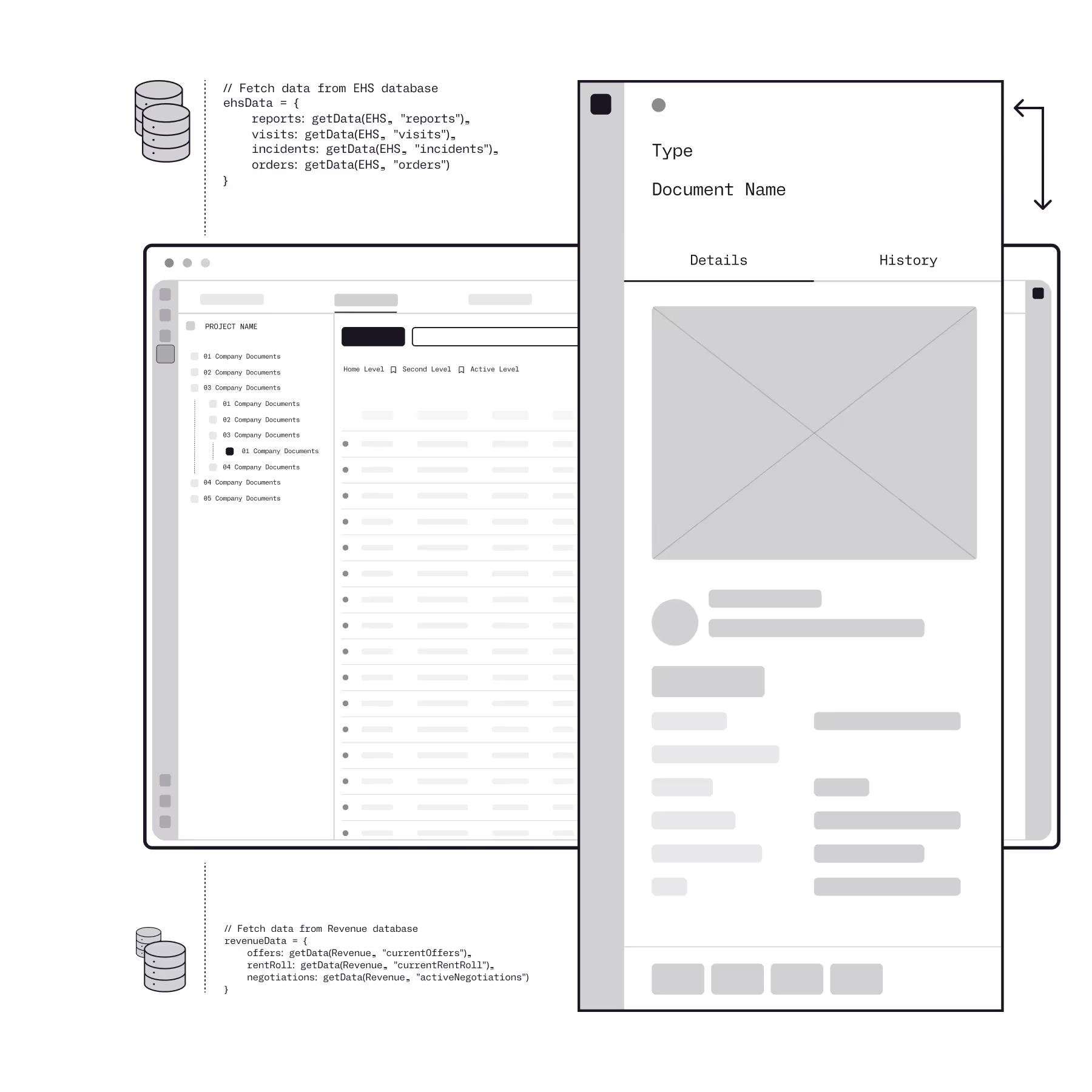
Before S360, project documentation was scattered: email threads, drives, binders. Even a 3–5 % documentation gap could delay handovers or reduce asset value by millions.
DMS (Document Management System) was built to unify this — a single source of truth linking physical and digital records.
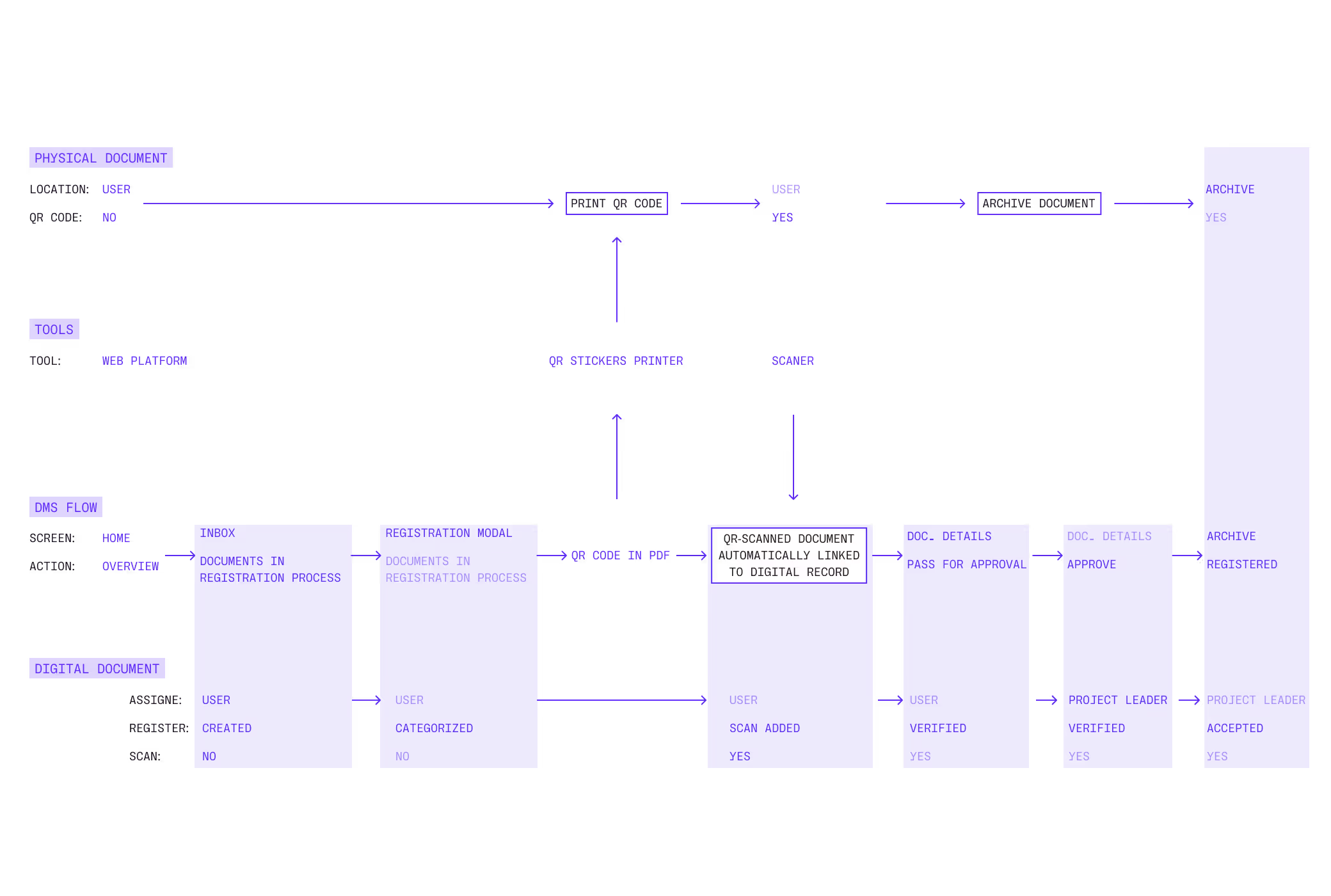
Working with IT and governance teams, we created a metadata-first architecture and a clear document lifecycle — upload, tag, approve, archive. Physical folders were connected to their digital counterparts using QR tagging, enabling real-time tracking and accountability.
Co-designed the document data model and metadata taxonomy.
Defined the lifecycle and approval logic.
Ran validation workshops with controllers and auditors to ensure audit readiness.
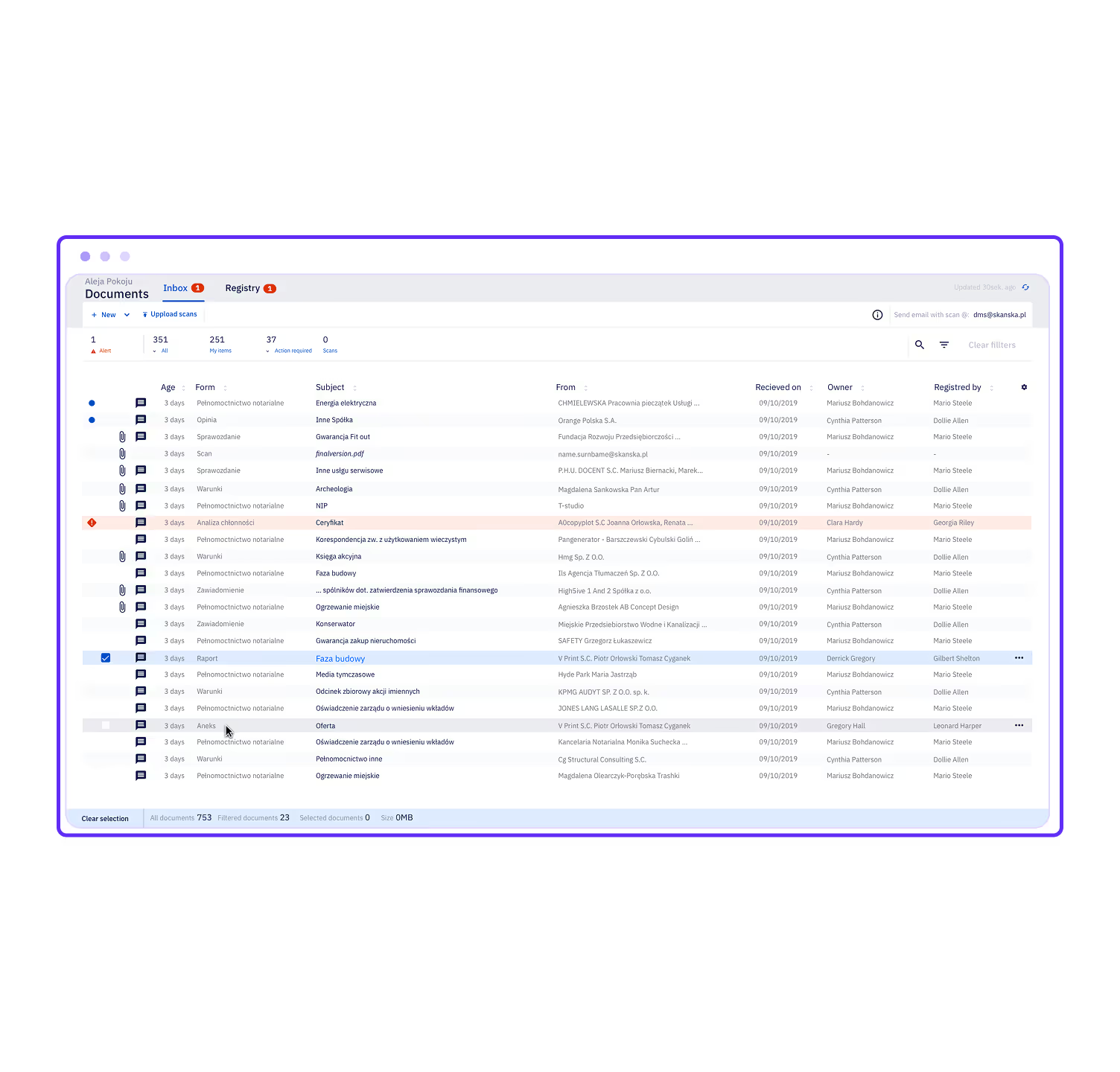
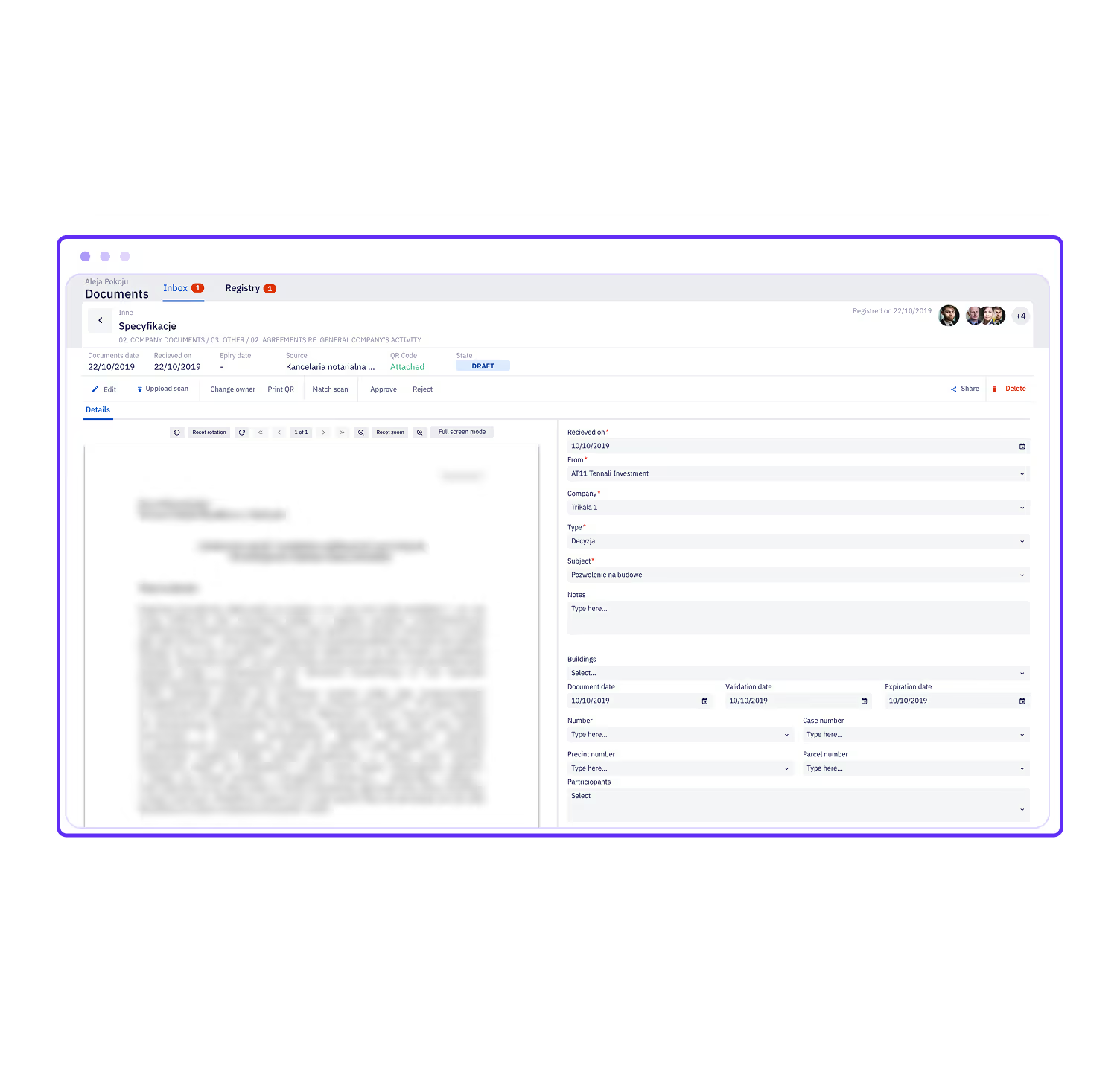
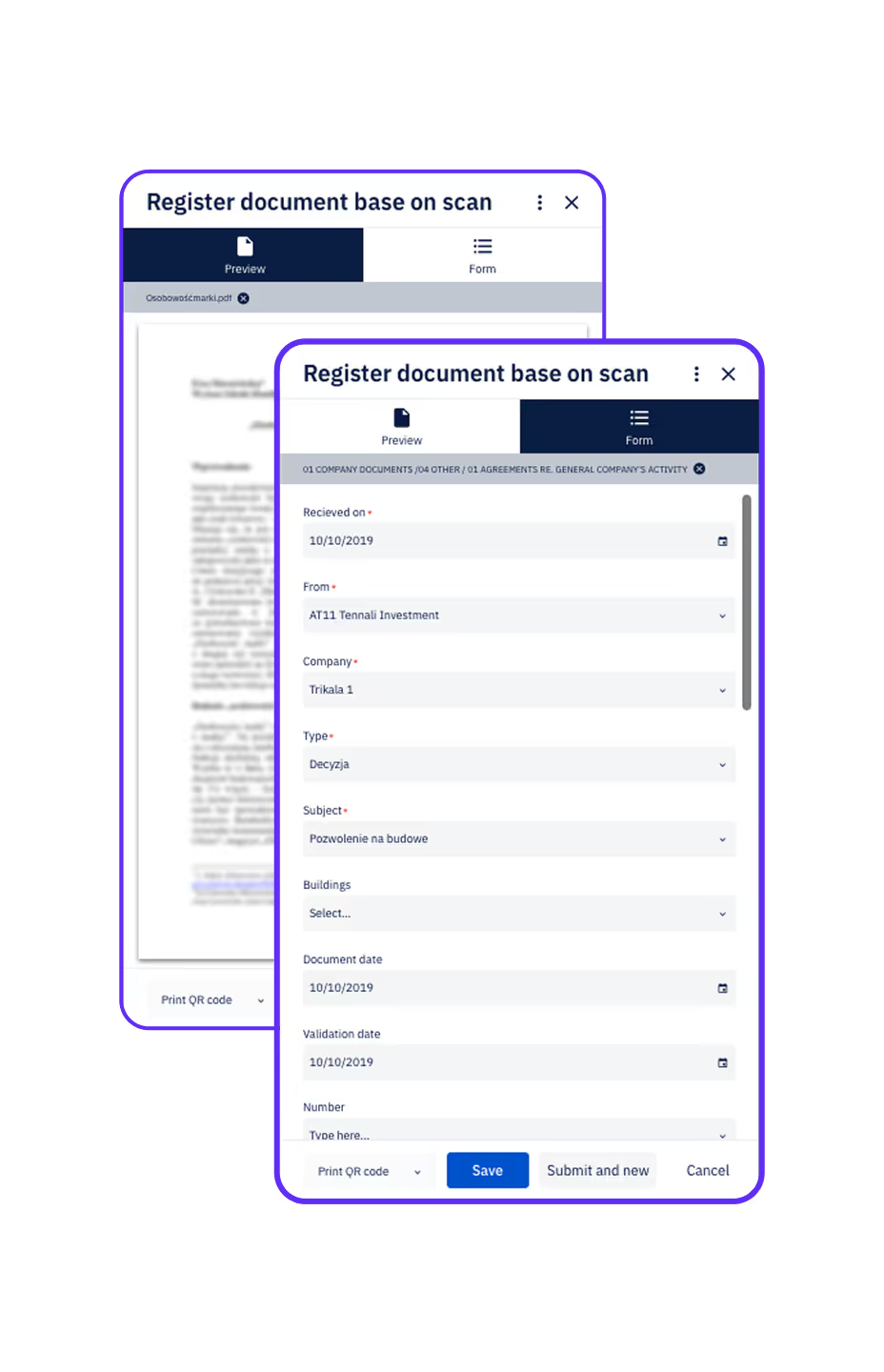
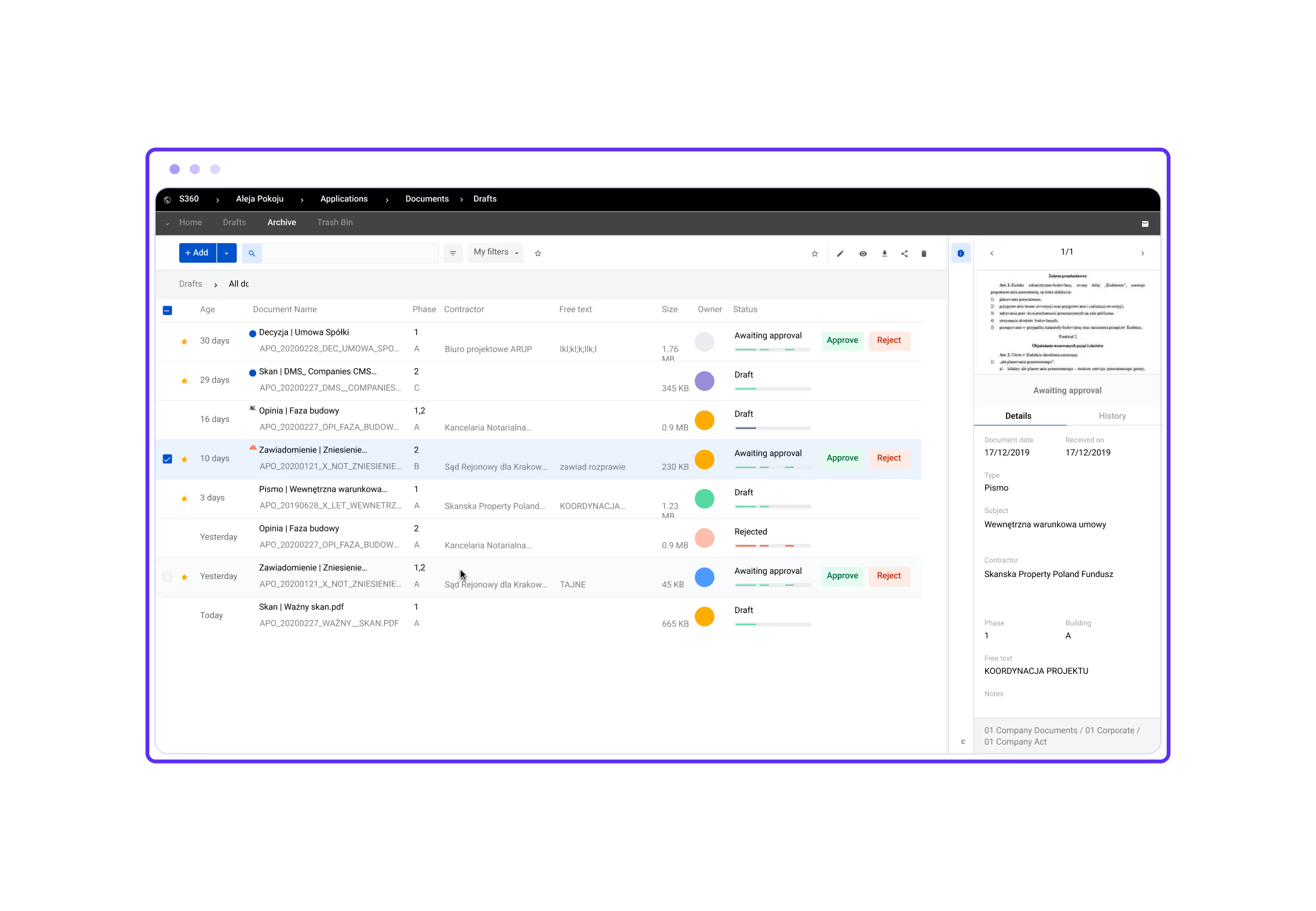
0 % missing documents in pilot projects (vs. 3–5 % baseline).
40 % faster audit preparation through real-time visibility.
DMS became a reference for documentation governance across CDE.
At scale, compliance turned out to be a UX problem — and design’s job was to make the right process the easiest one to follow.
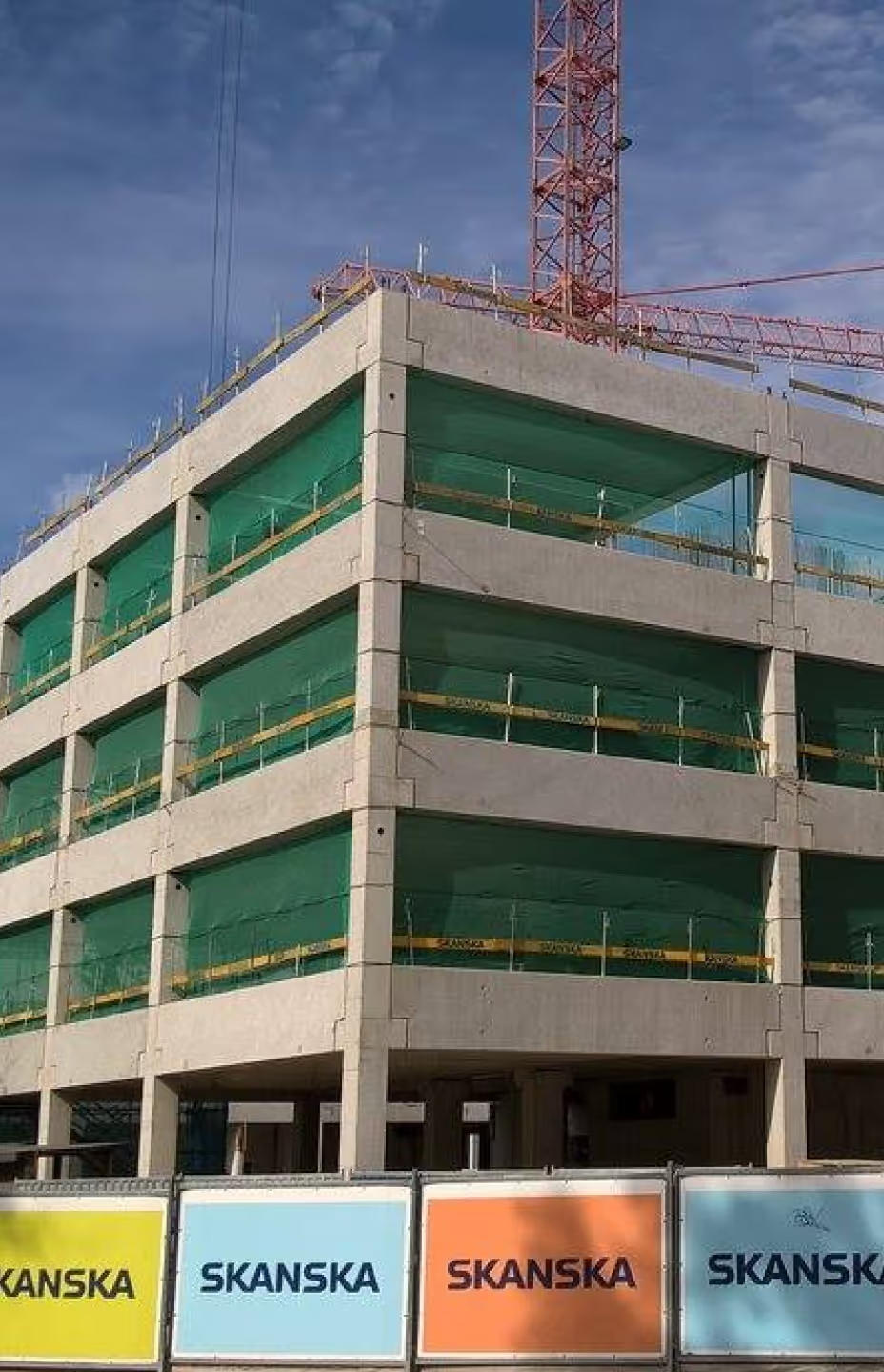
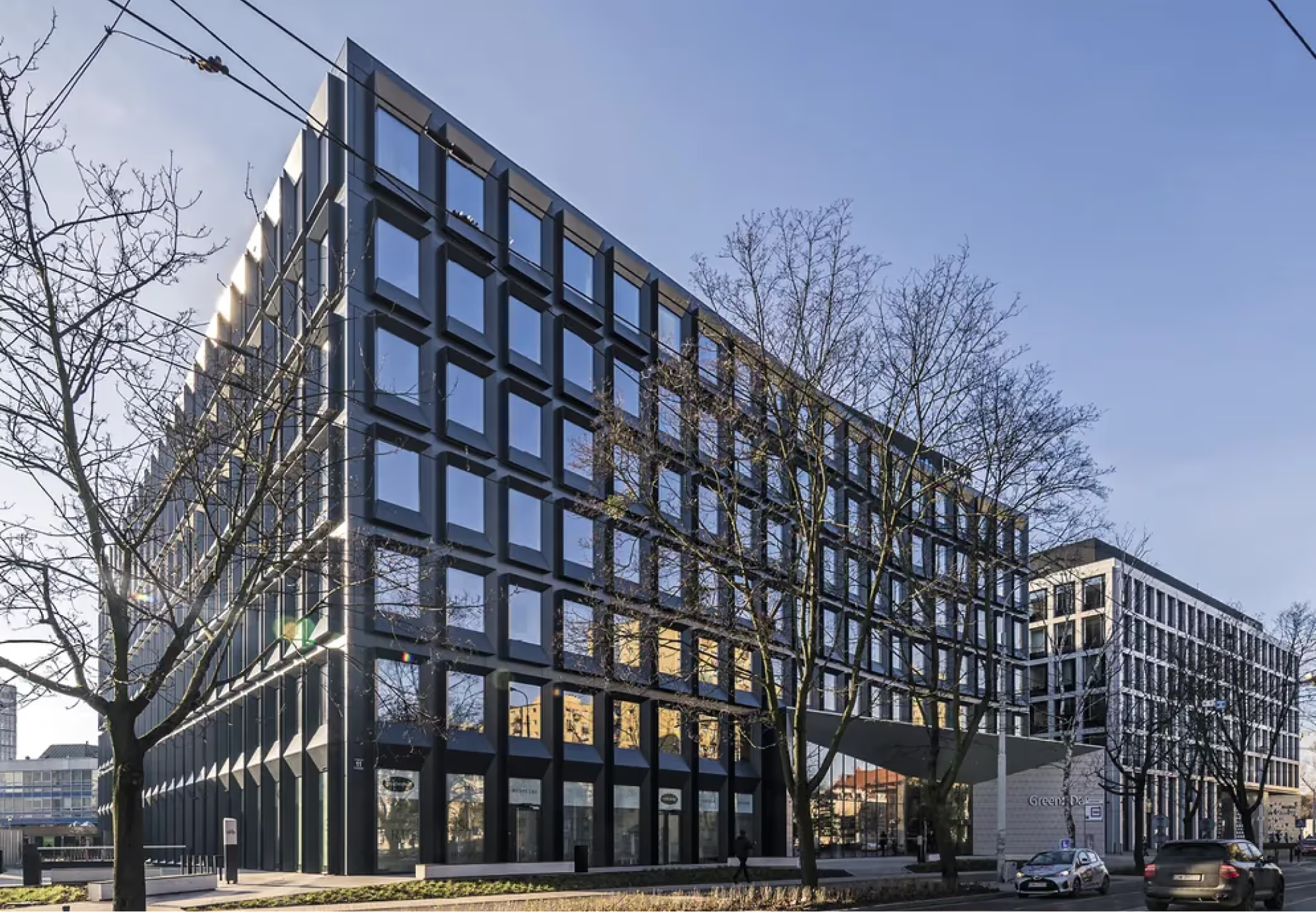
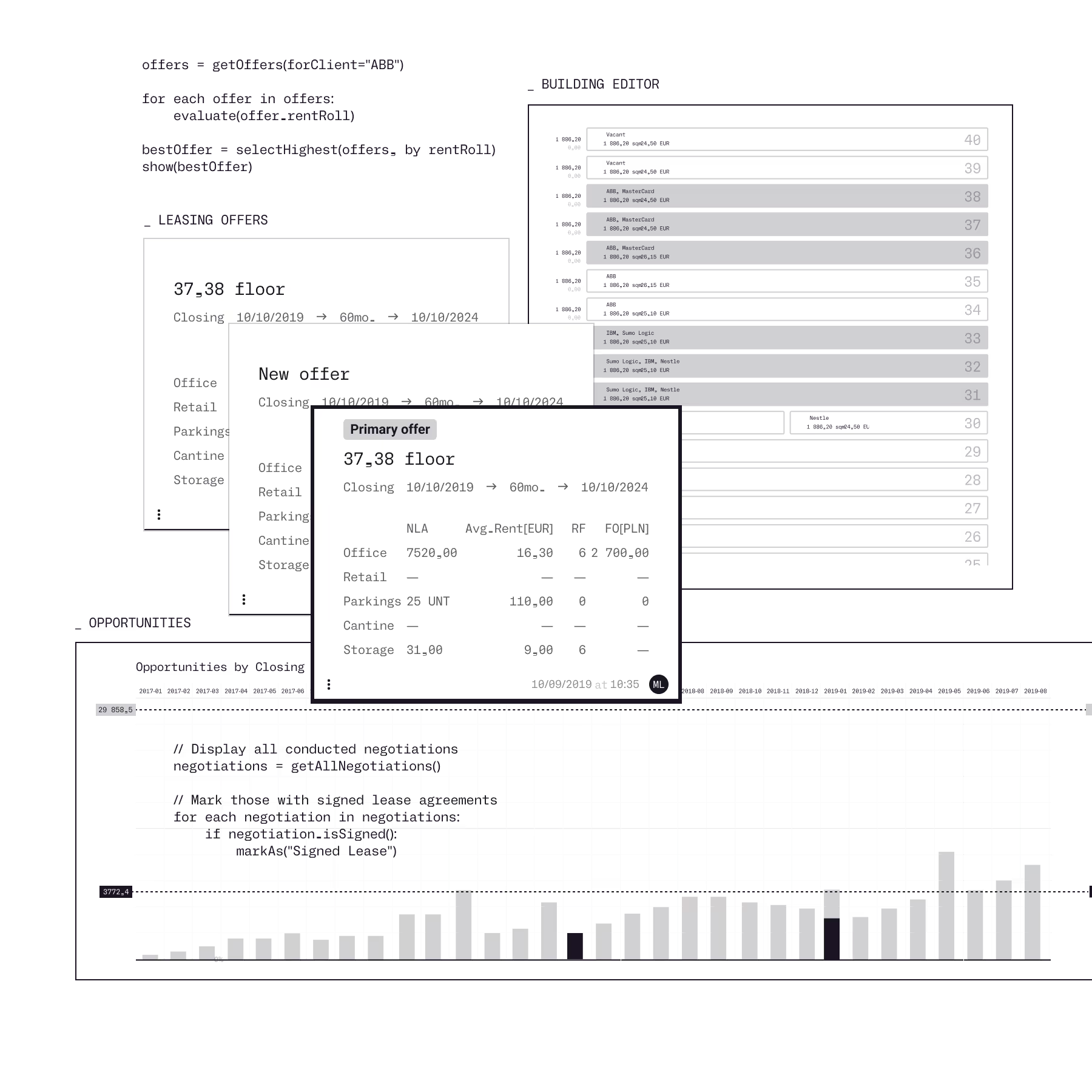
Revenue wasn’t a feature — it was the reason S360 existed.
It aimed to replace fragmented Excel models with a shared financial simulation system, connecting every lease negotiation, project, and portfolio under one logic.
By 2018, Skanska had digitized safety and documentation, but financial decision-making remained fragmented.
Controllers, leasing managers, and executives all worked with different spreadsheets.
The goal was clear:
“One truth for every decision.”
We built a parametric model inspired by BIM, where changing one variable (rent, rent-free period, fit-out) automatically recalculated yield and NPV across the portfolio.
The MVP validated that unified logic — and became the blueprint for S360’s entire data architecture.
When discrepancies between departments surfaced, the initiative was split into smaller deliverables:
Leasing (for negotiators) and Reporting (for executives).
Revenue remained the conceptual and architectural core that tied the platform together.
Co-led product vision and system design.
Defined the data hierarchy
(unit → building → project → region).
Shaped the parametric logic and role-based dashboards.
Maintained coherence across parallel modules (EHS, DMS, Leasing, Reporting).
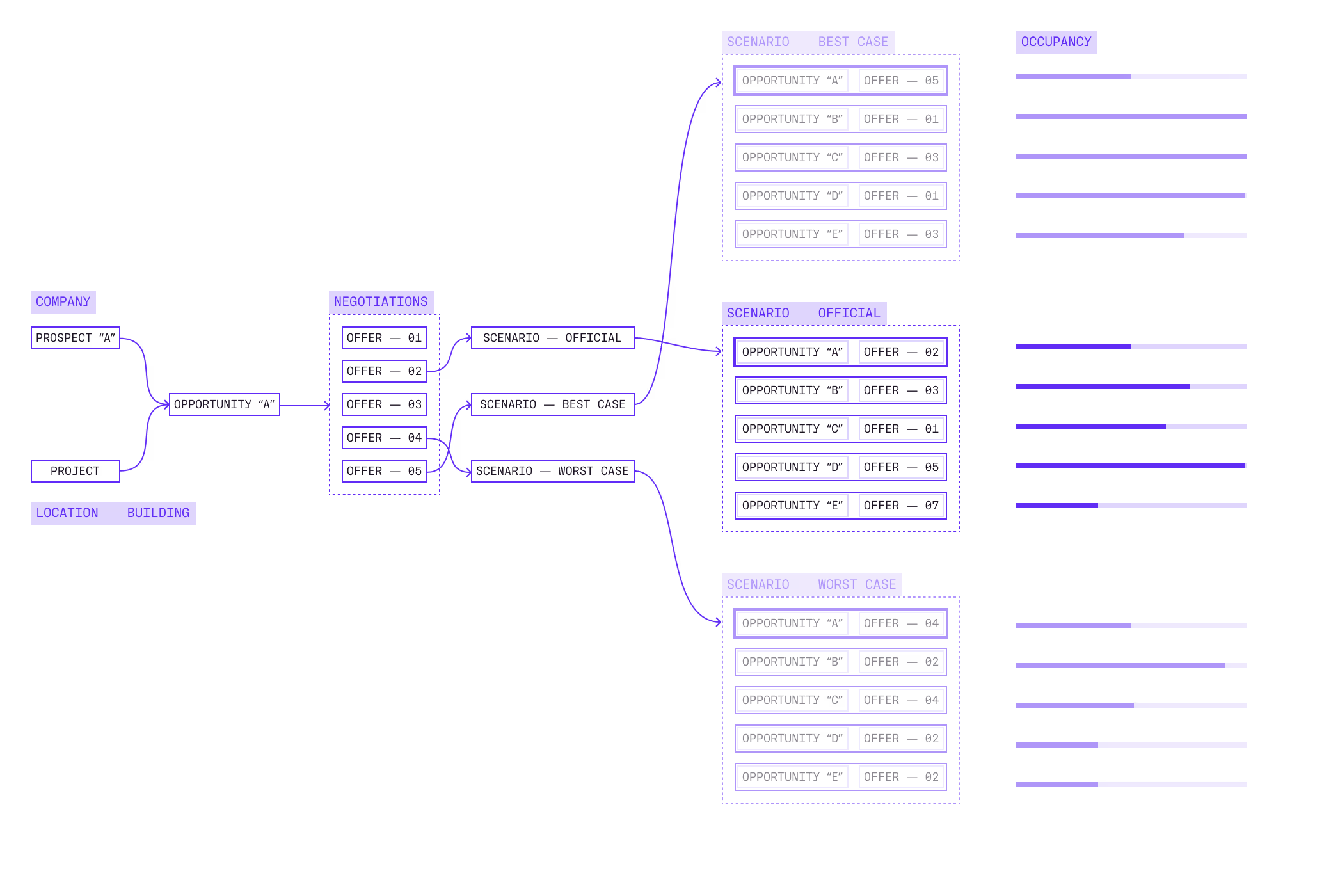
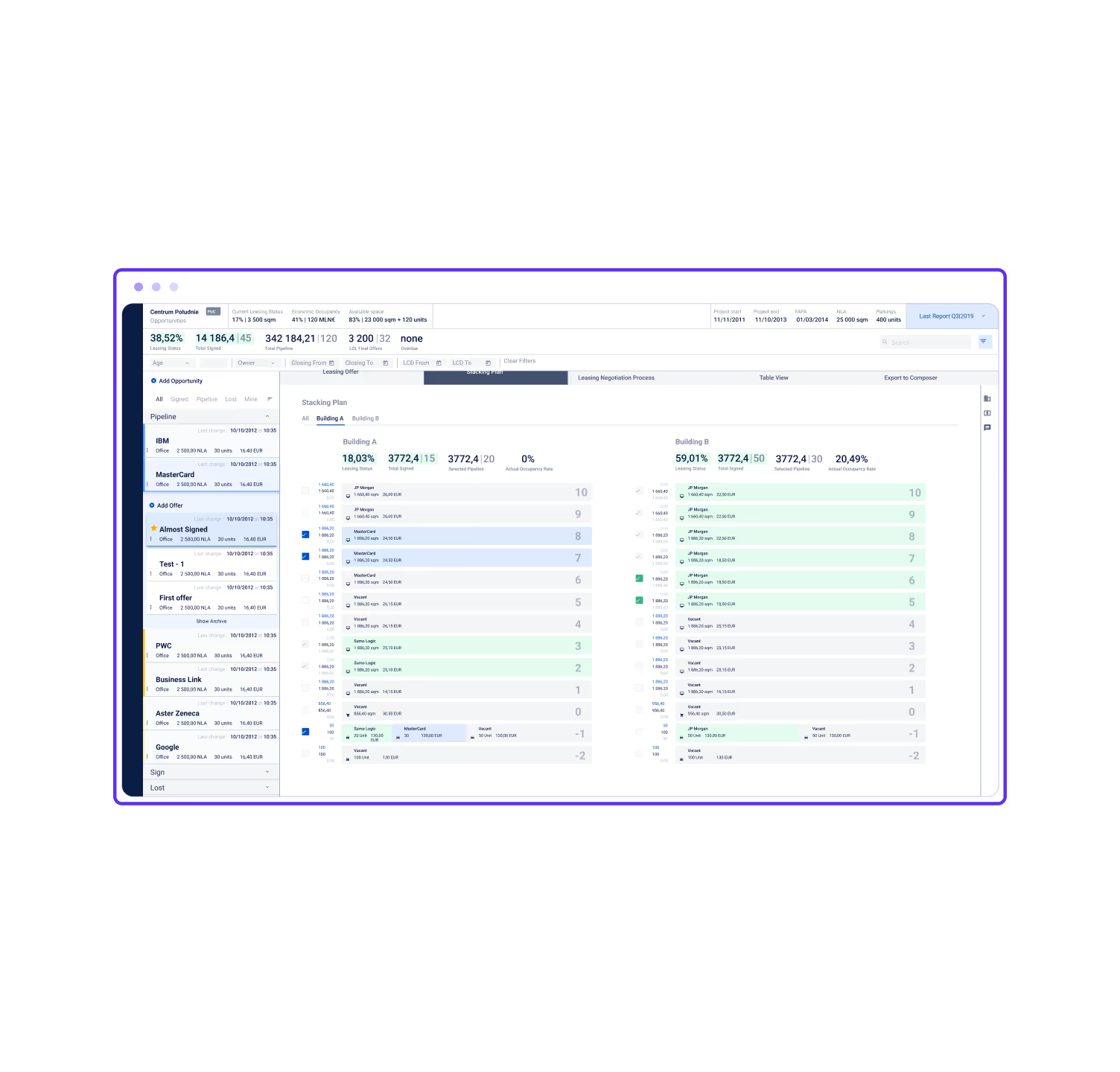
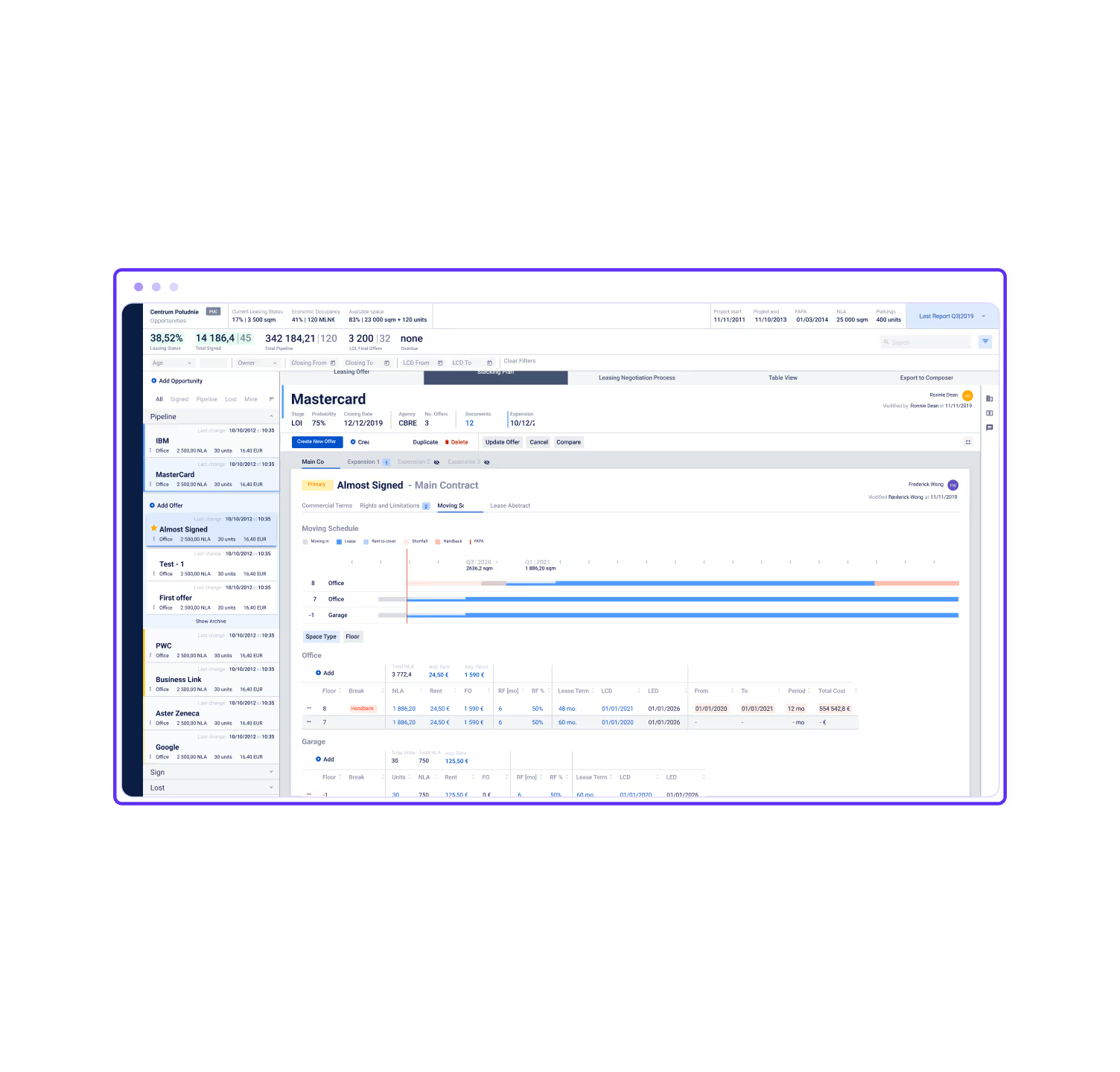
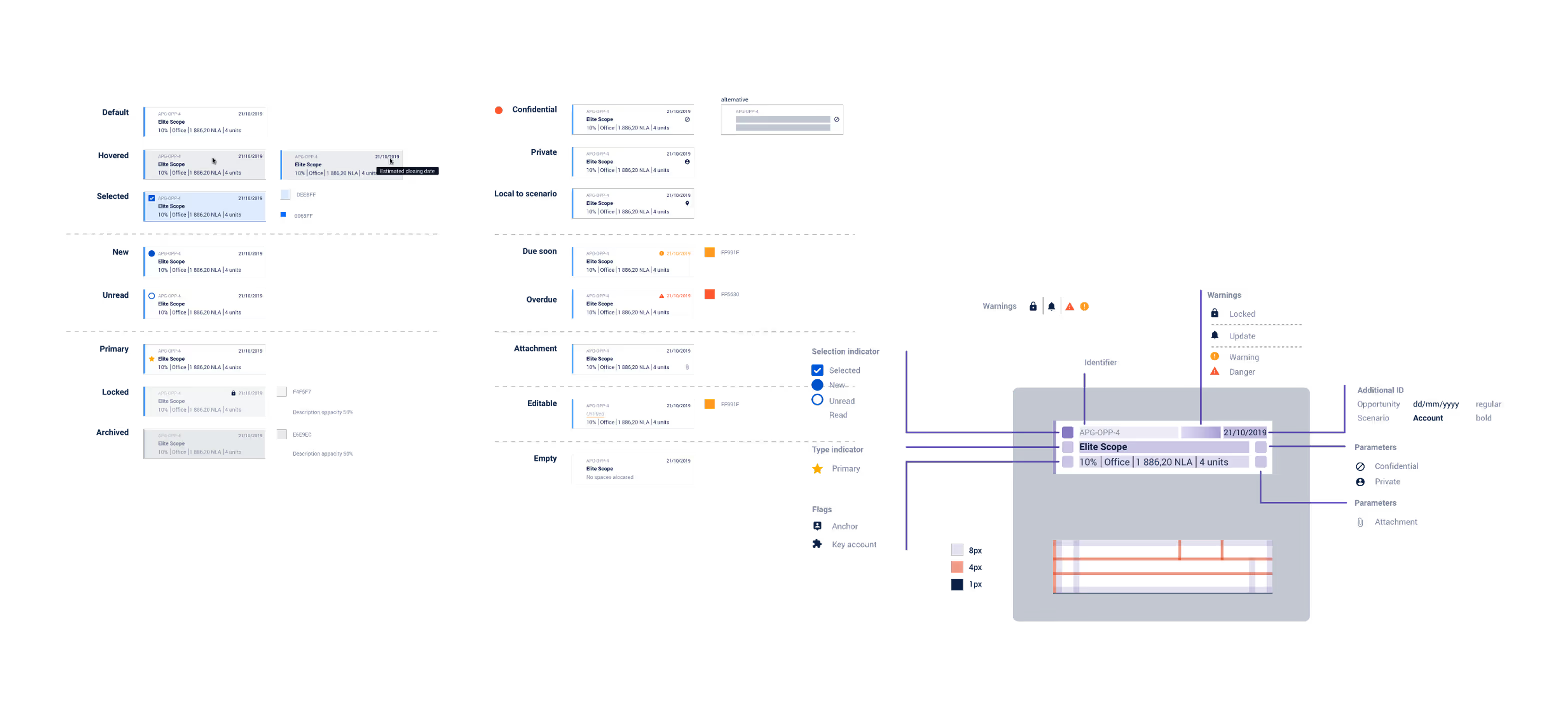
Delivered a functional proof-of-concept validated by finance and executives.
Became the foundation for the S360 data model and design system.
Shifted digitalisation from “tools” to “system thinking.”
Revenue transformed how leaders understood the business — from reactive spreadsheets to proactive strategy.
Construction isn’t a digital-native industry.
It runs on concrete, time, weather — and habits shaped by 125 years of doing things that way.
S360 wasn’t about adding new software; it was about helping a complex organization learn to work in a more connected, transparent way.
We built it as an external R&D team — a small group trusted to redesign processes that affected millions in project value and hundreds of lives on site.
That trust wasn’t given; it was earned through working software, clear outcomes, and respect for how the business actually operated.
We didn’t change how people worked overnight — we gave them better tools to do what they already cared about: safety, quality, and results.
By the time S360 paused, those tools had become part of how the company operated.
That’s what real transformation looks like — quiet, cumulative, and permanent.