Box
Strategic Projects
Turning acquisitions into enterprise-ready products
2022 — 2025
Deep Dive
15 min read
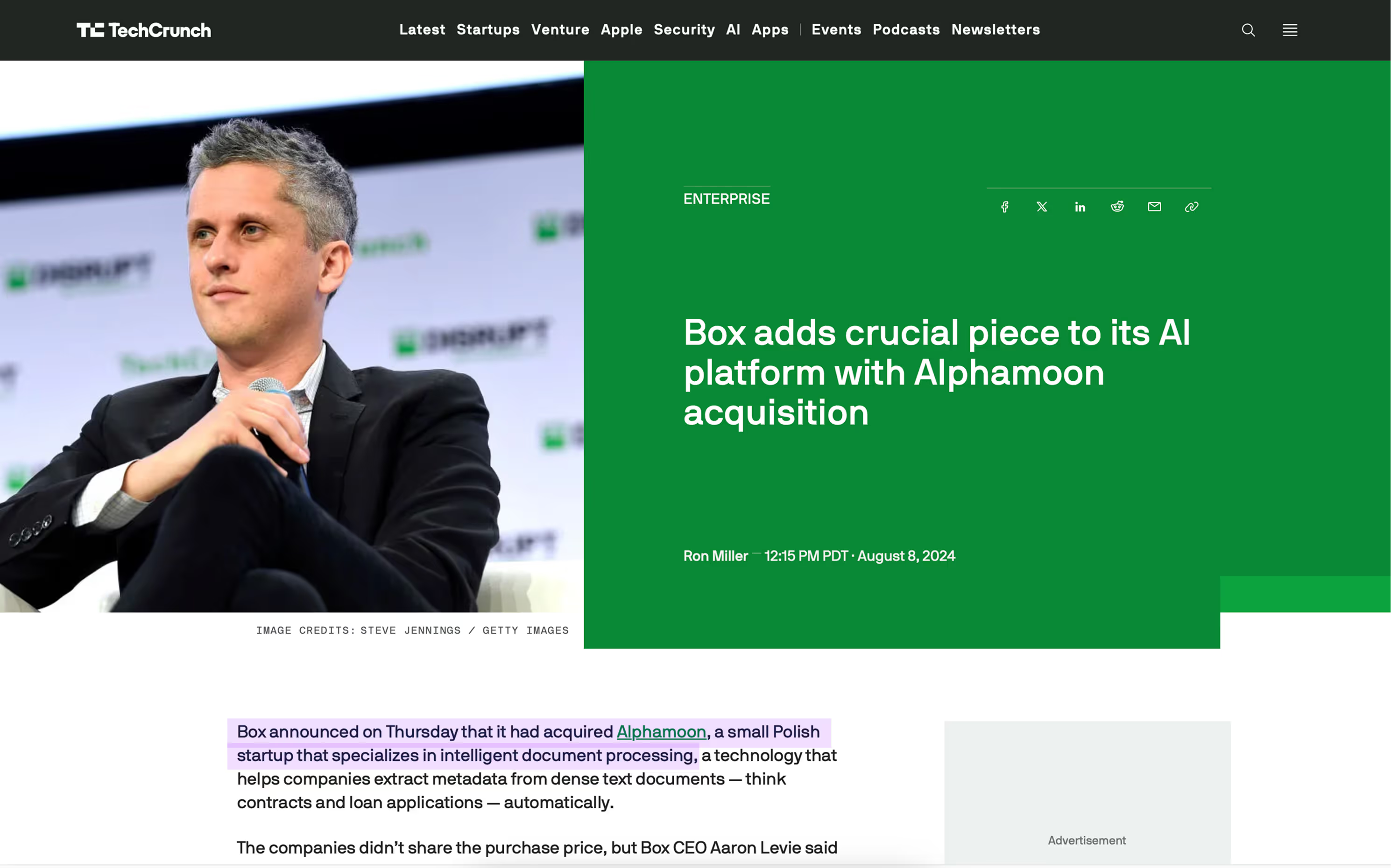
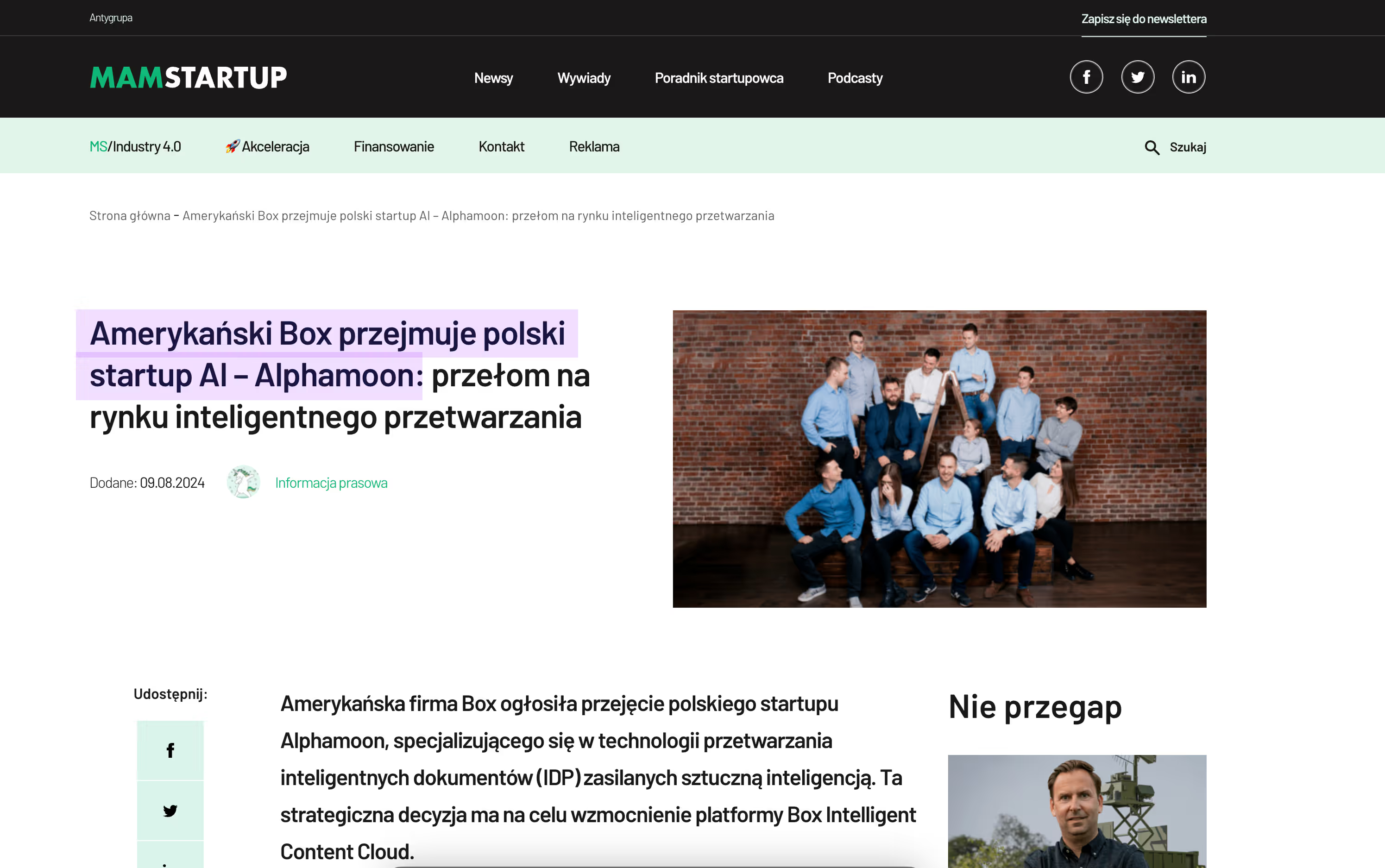
At Box, I specialized in post-acquisition integration — transforming externally developed solutions into enterprise-grade products aligned with the Box ecosystem. Between 2022–2025, I worked on four high-priority initiatives (Crooze, DocGen, Extract, Shuttle), ensuring they met Box’s standards for scale, security, and strategic positioning.
These projects mattered because of Box’s reach: 68% of the Fortune 500, 100k companies, and 58 million users worldwide.
Integrations had to clear enterprise compliance, launch at speed, and set systemic patterns that scaled across the suite.
Collectively, these projects shaped Box’s transformation from a cloud content storage provider into the era of intelligent content management — with AI-ready workflows, enterprise automation, and governance at scale.
Each project is framed with executive metrics:
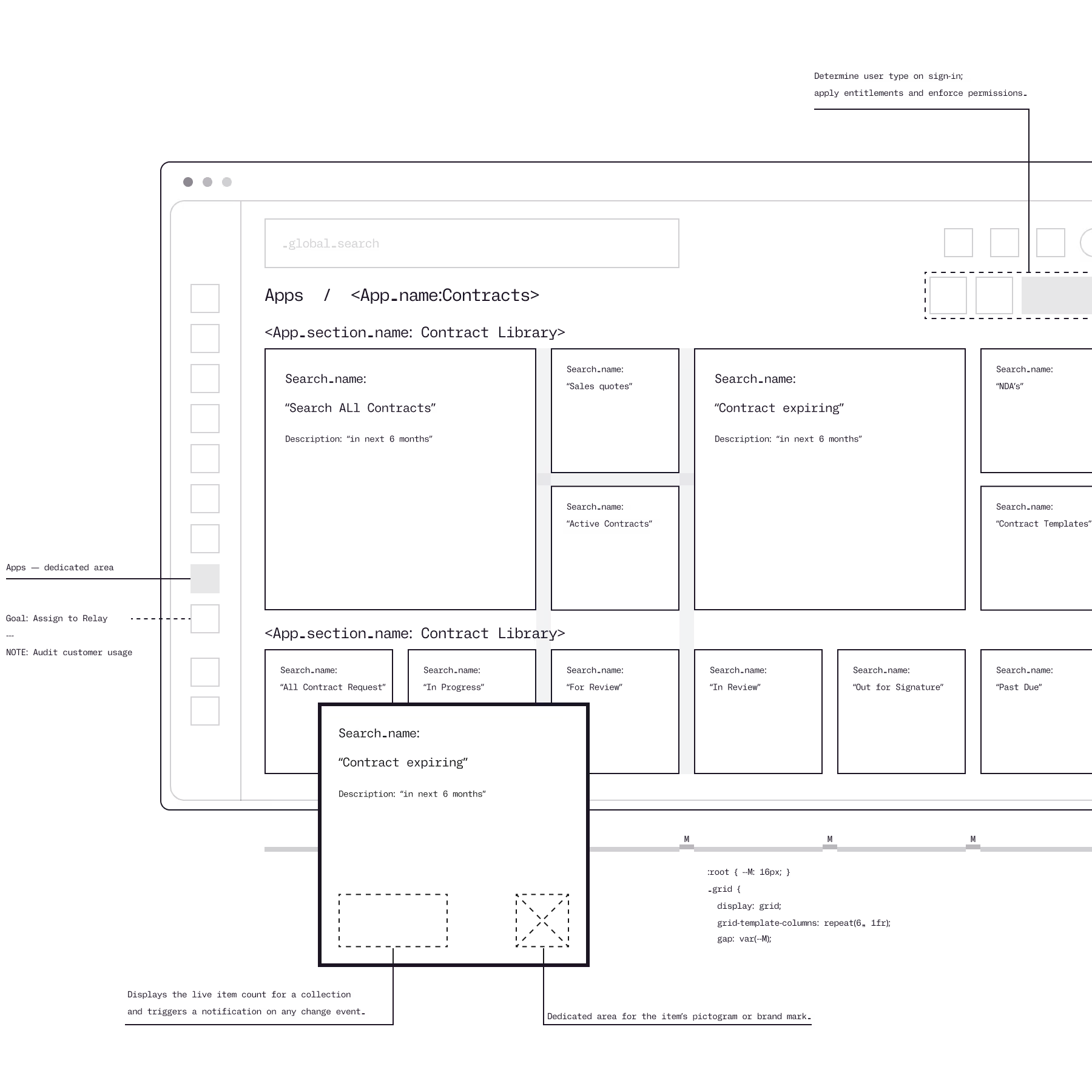
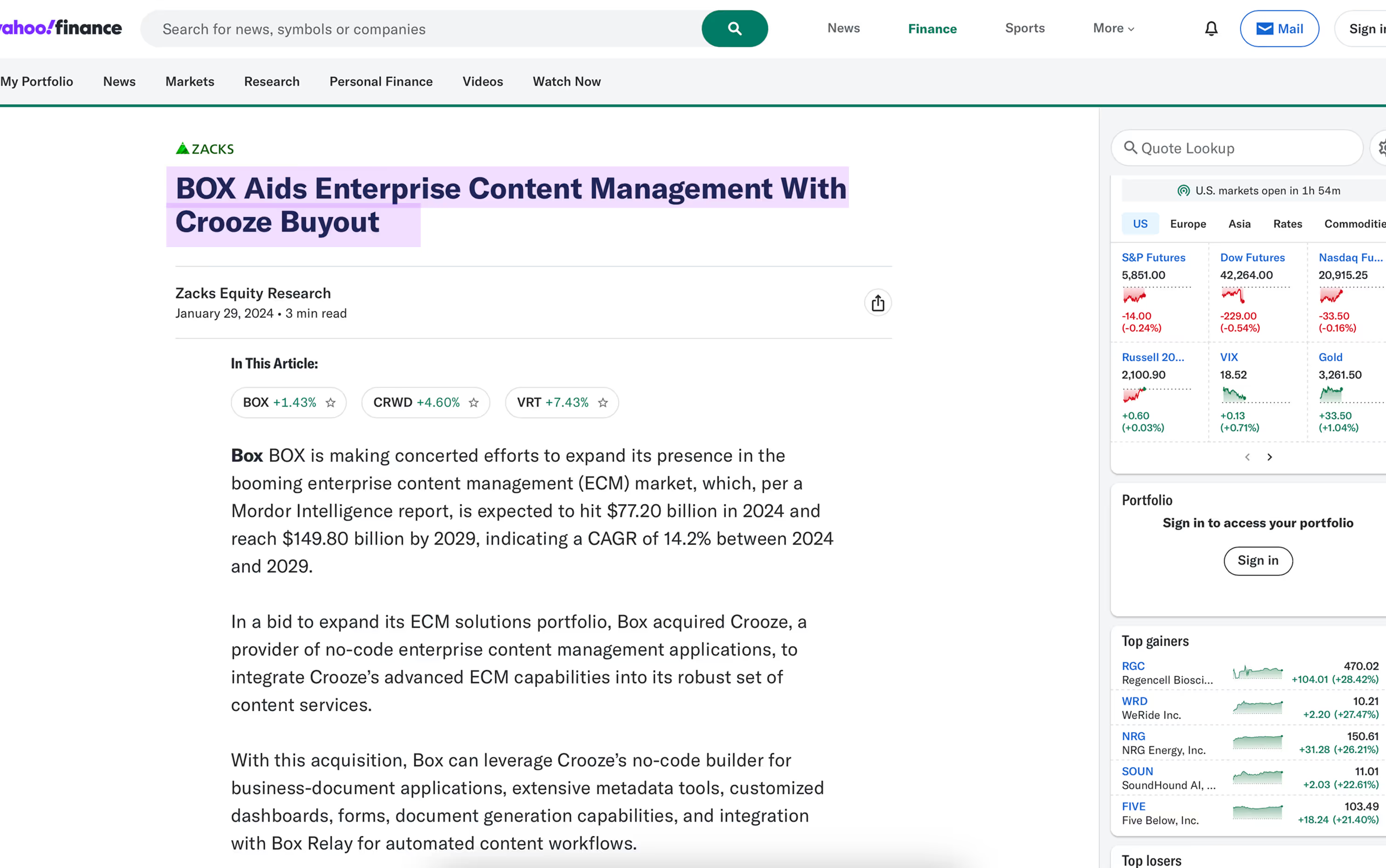
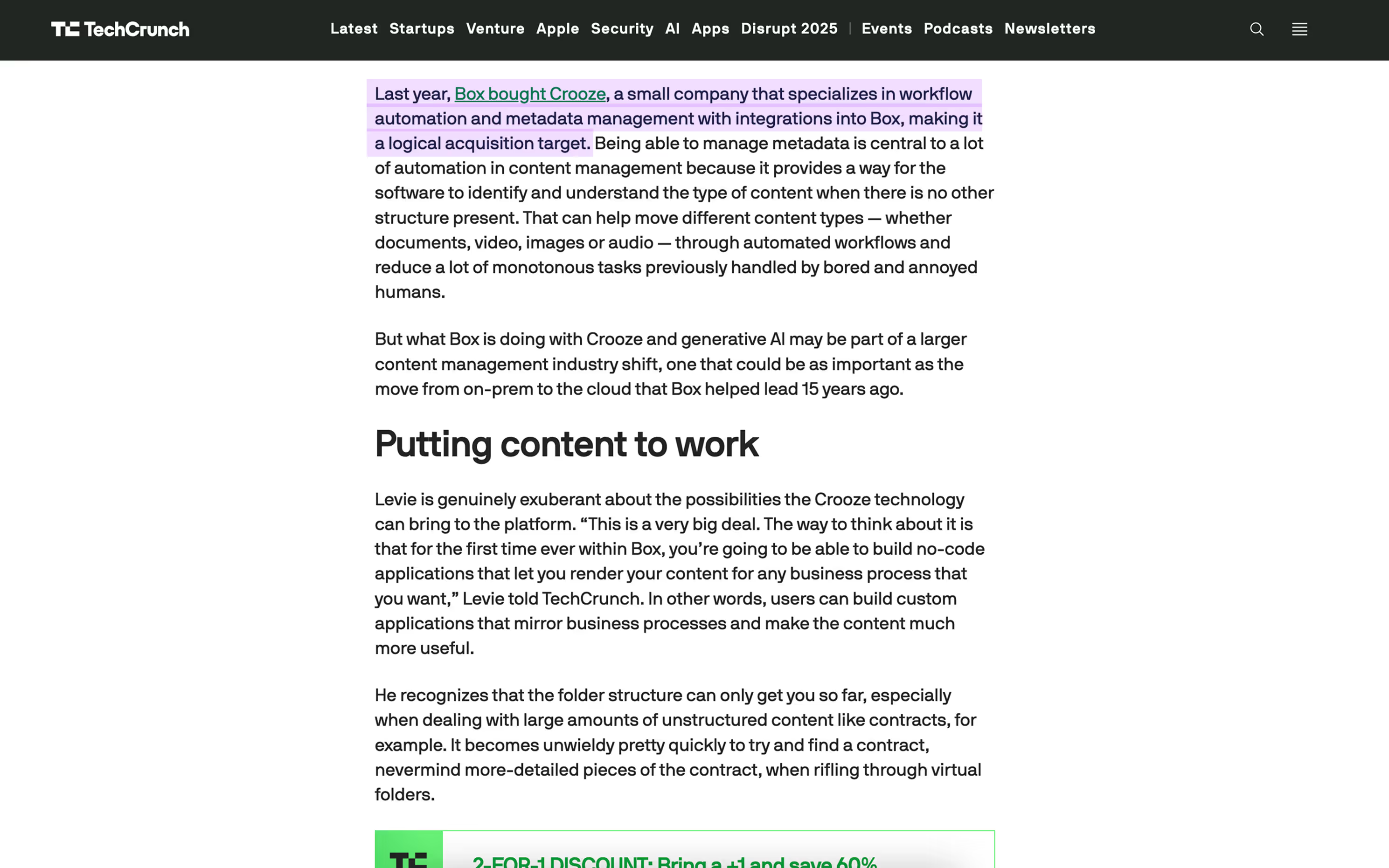
Crooze, a no-code content management builder, was integrated into Box Apps to advance the company’s vision of structuring the 90% of enterprise data that is unstructured.
I owned Search, the adoption-critical workflow, co-designed multi-level taxonomies and notifications, and led the table-to-list paradigm shift to align with Box’s design system.
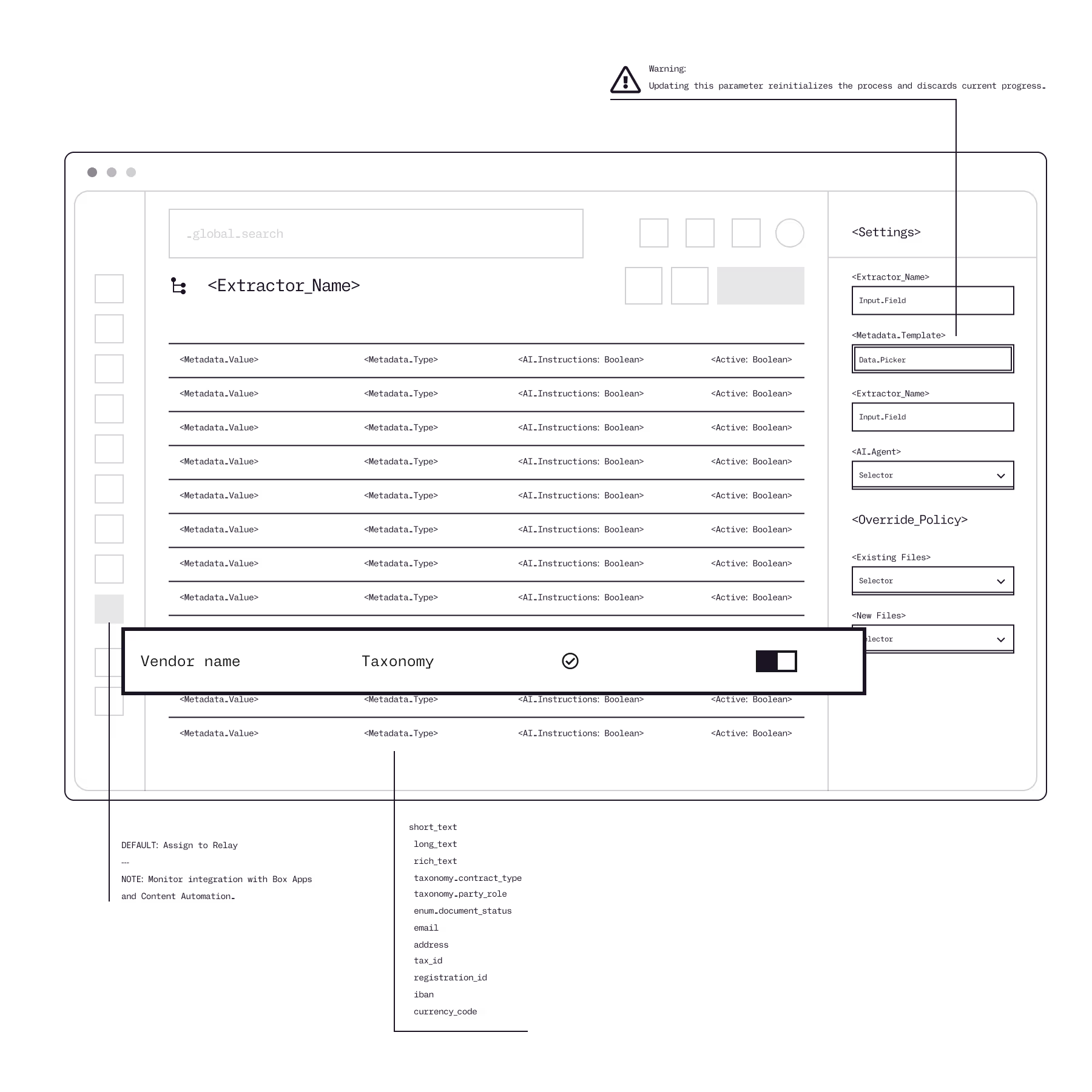
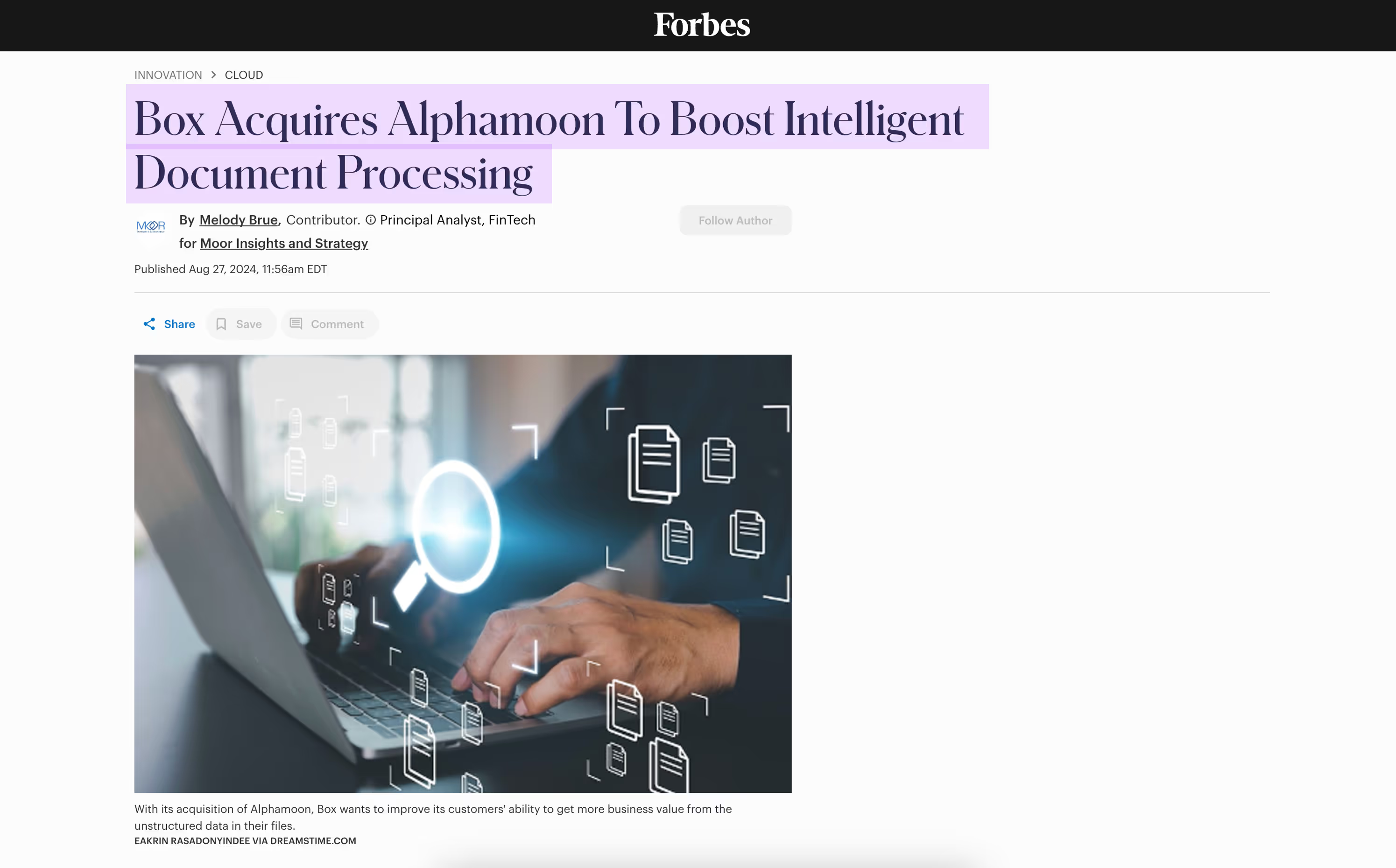
Alphamoon’s OCR + AI prototype became Box Extract, automating metadata capture at scale.
I partnered with founders, designed safeguards for metadata templates, and created C-suite framing that positioned Extract under Relay, aligning AI with Box’s automation strategy.
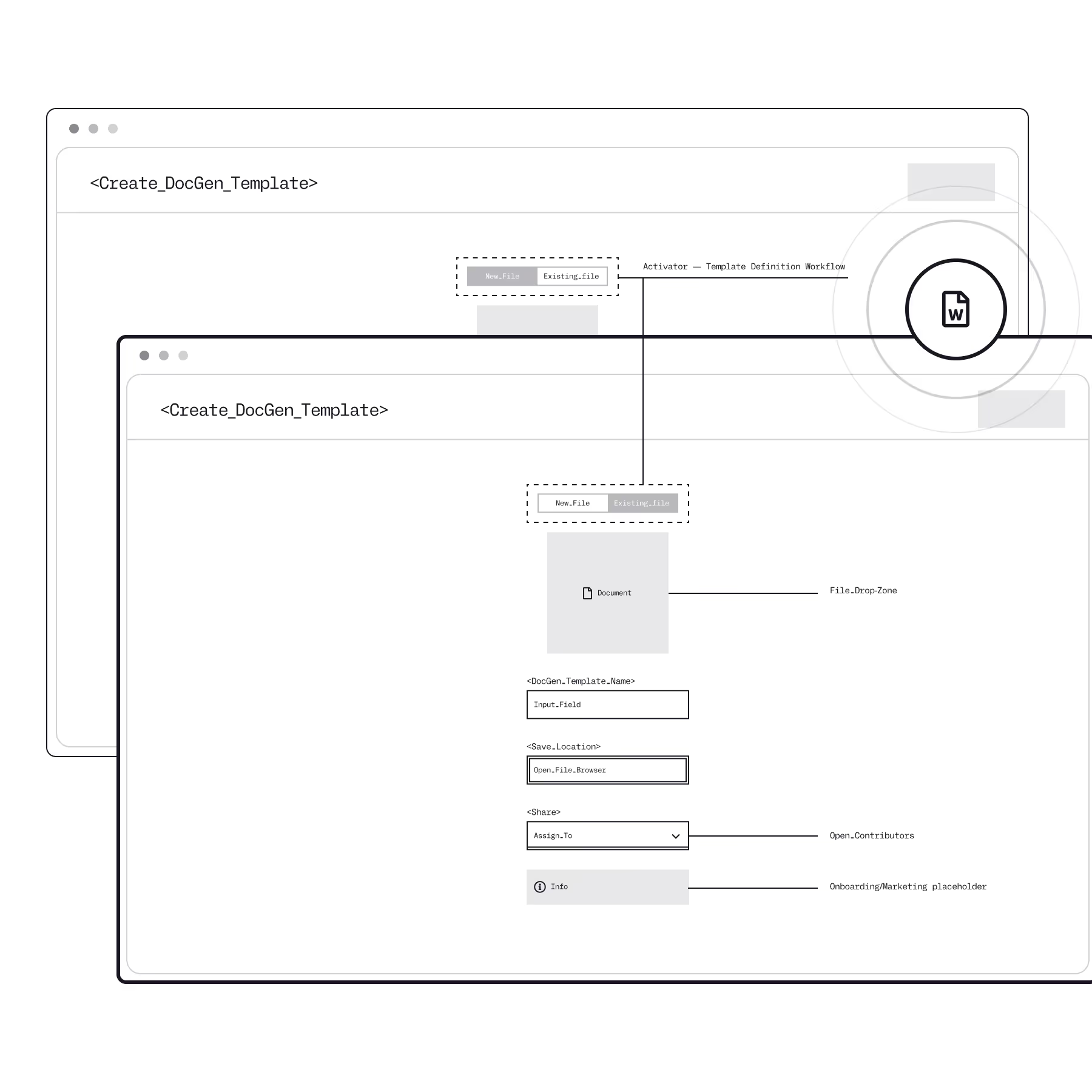
DocGen brought contract and invoice generation into Box, with Microsoft Word as the authoring tool.
I designed a location-agnostic flow that could be triggered across multiple entry points and introduced the content switcher — a new design system component later adopted across Canvas, Admin Console, and Box Apps.
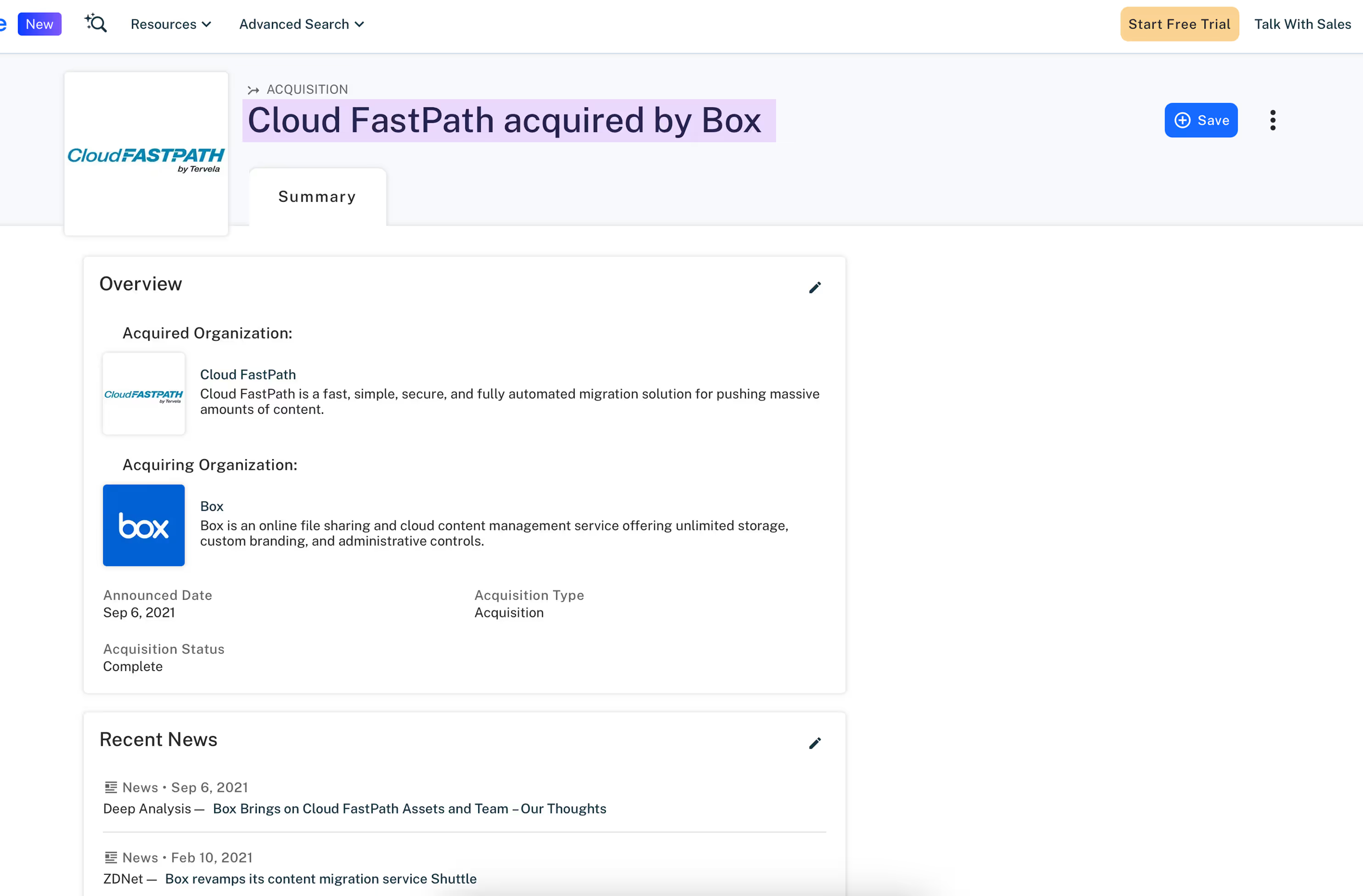
My first Box project: integrating Cloud FastPath as Box Shuttle for petabyte-scale migrations.
I defined the scheduling UX foundation, aligning with backend realities and framing it as the control layer for enterprise data flows — critical for customer trust in onboarding.
Features change, but frameworks last. Patterns like user/admin splits or content switchers cut weeks of debate and sped up future integrations.
In enterprise, trust isn’t a byproduct — it’s the product. Audit logs, validation flows, and confidence scores became proof of reliability.
Staff designers scale through structures, not screens.
Components and ways of working empowered teams long after my involvement.
At PB scale, even “small” UX choices ripple into billion-dollar outcomes.
Details can decide adoption or failure.
Together, these integrations shaped Box’s Content Automation strategy and directly supported its largest Enterprise Plus clients: migrating petabytes of content, automating thousands of contracts, and embedding AI-driven workflows into mission-critical processes.
For example:
Miller Tanner Associates → saved 800+ hours on manual travel processes with Extract agents and automation.
Fundwell → built a secure Salesforce integration with Extract, saving 30+ hours per week in underwriting workflows.
My role placed me at the center of Box’s strategic shift:
From a cloud collaboration platform (“Simplify how you work. Secure collaboration…”)
→ To an intelligent content management company
(“AI-ready workflows, secure automation, enterprise compliance”).