Box
Strategic Projects
Turning acquisitions into enterprise-ready products
2022 — 2025
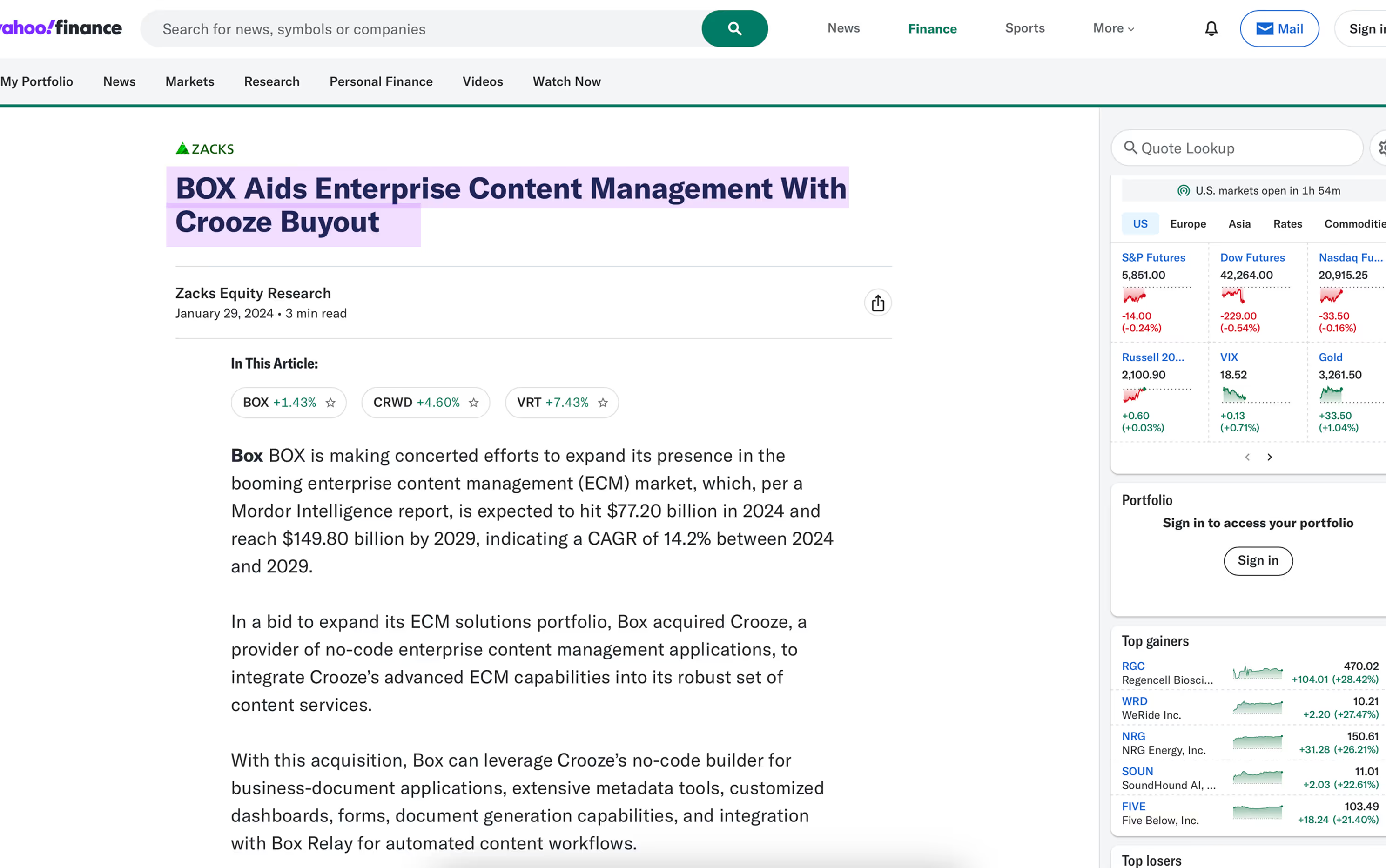
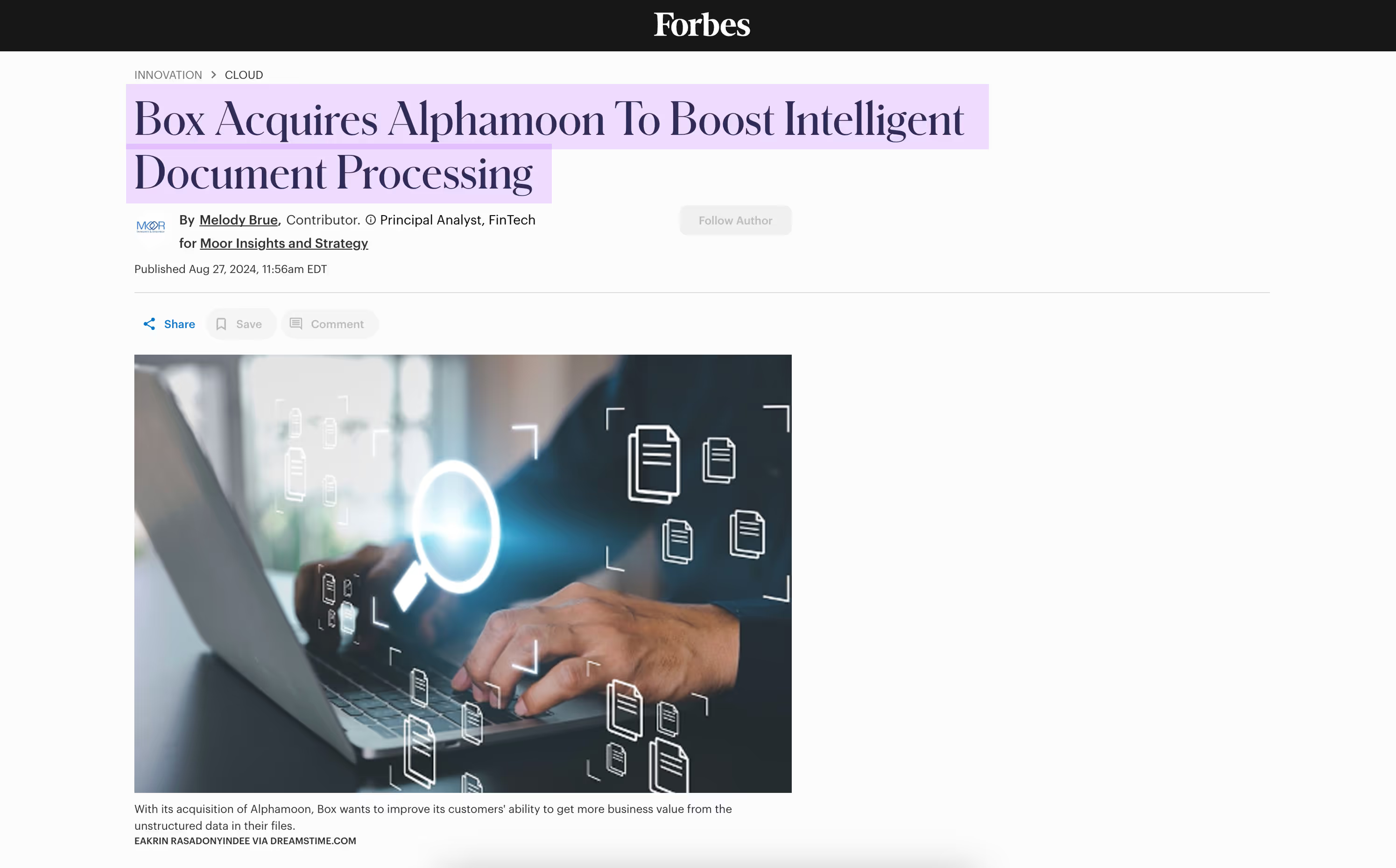
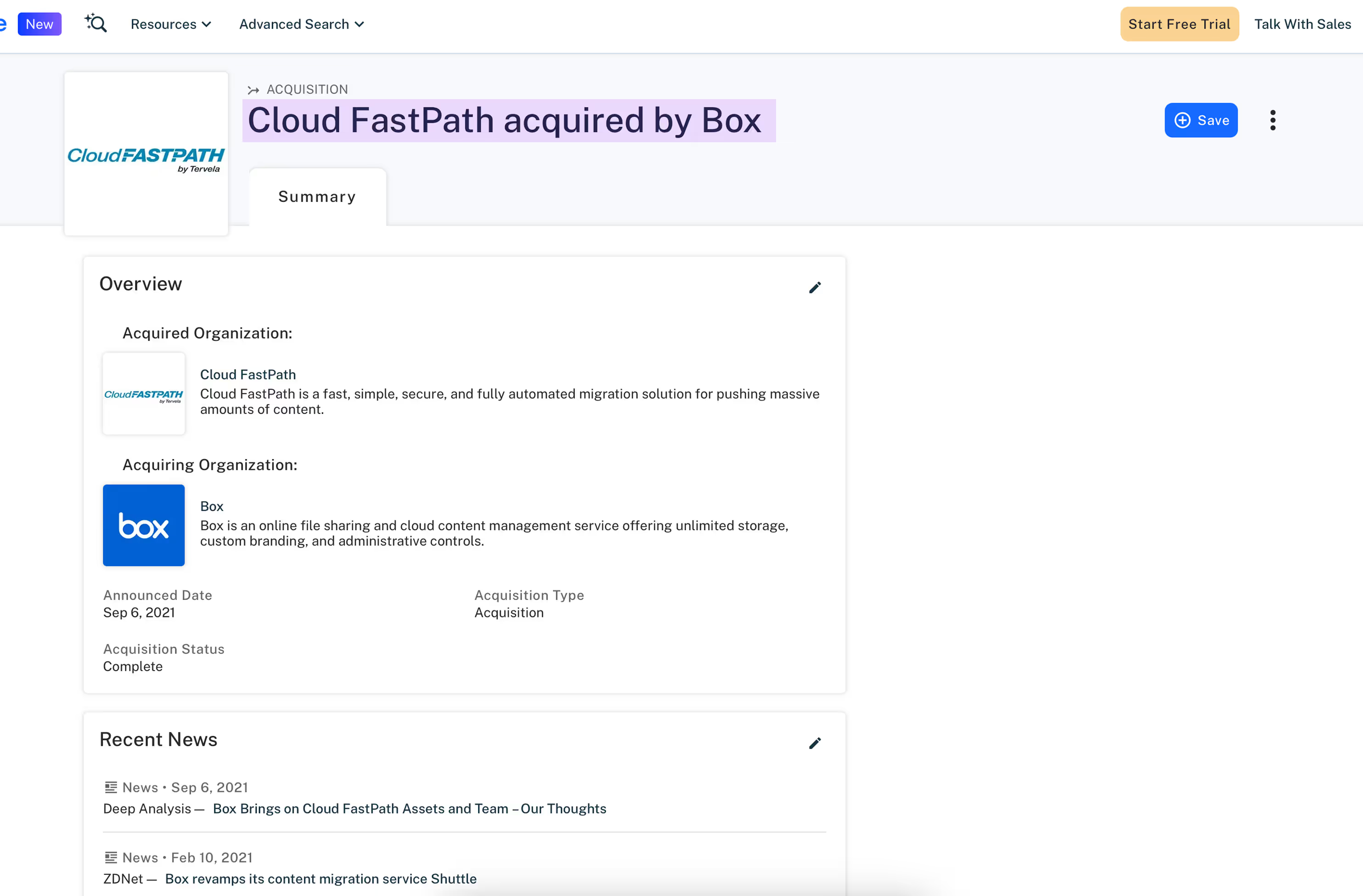
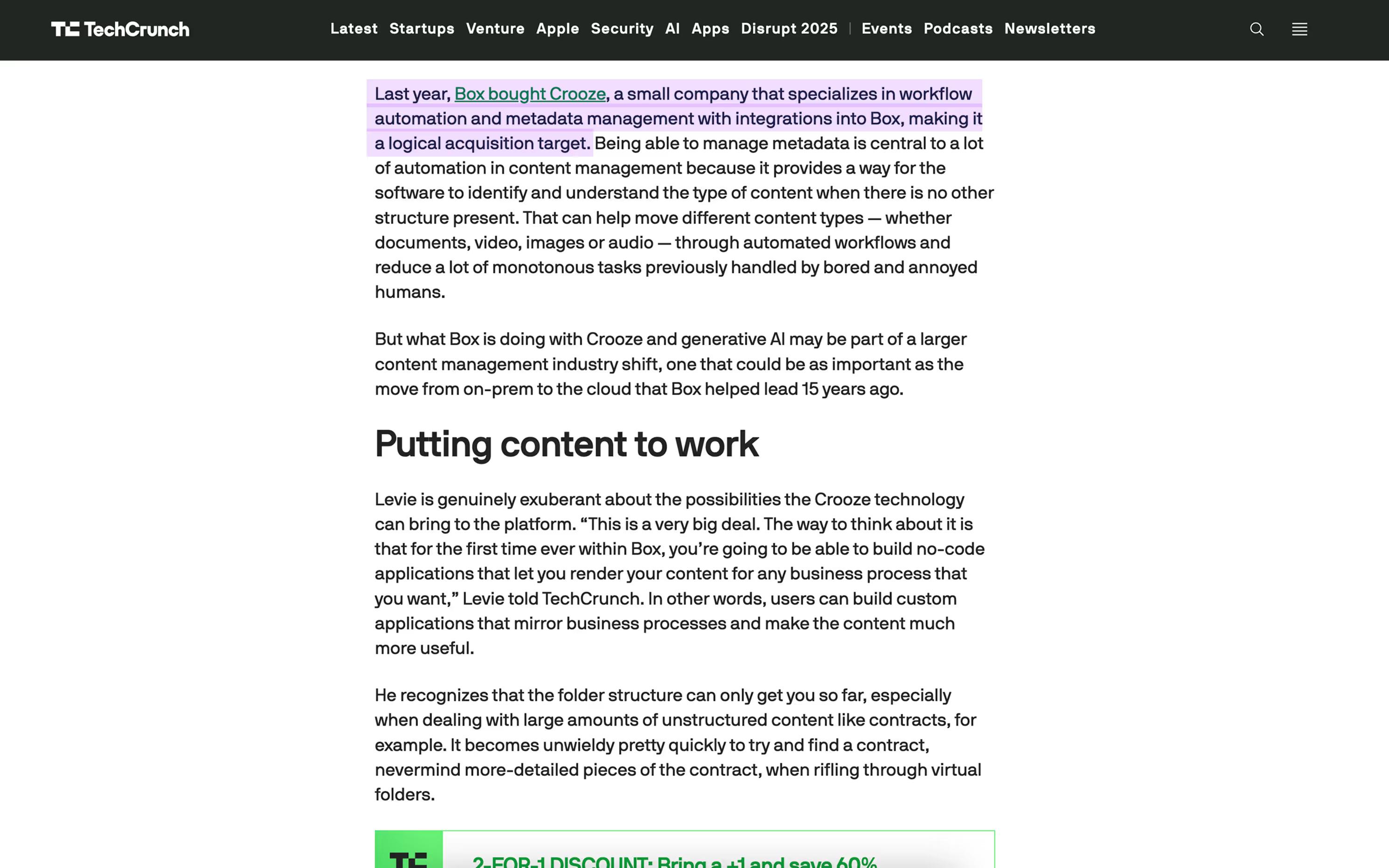
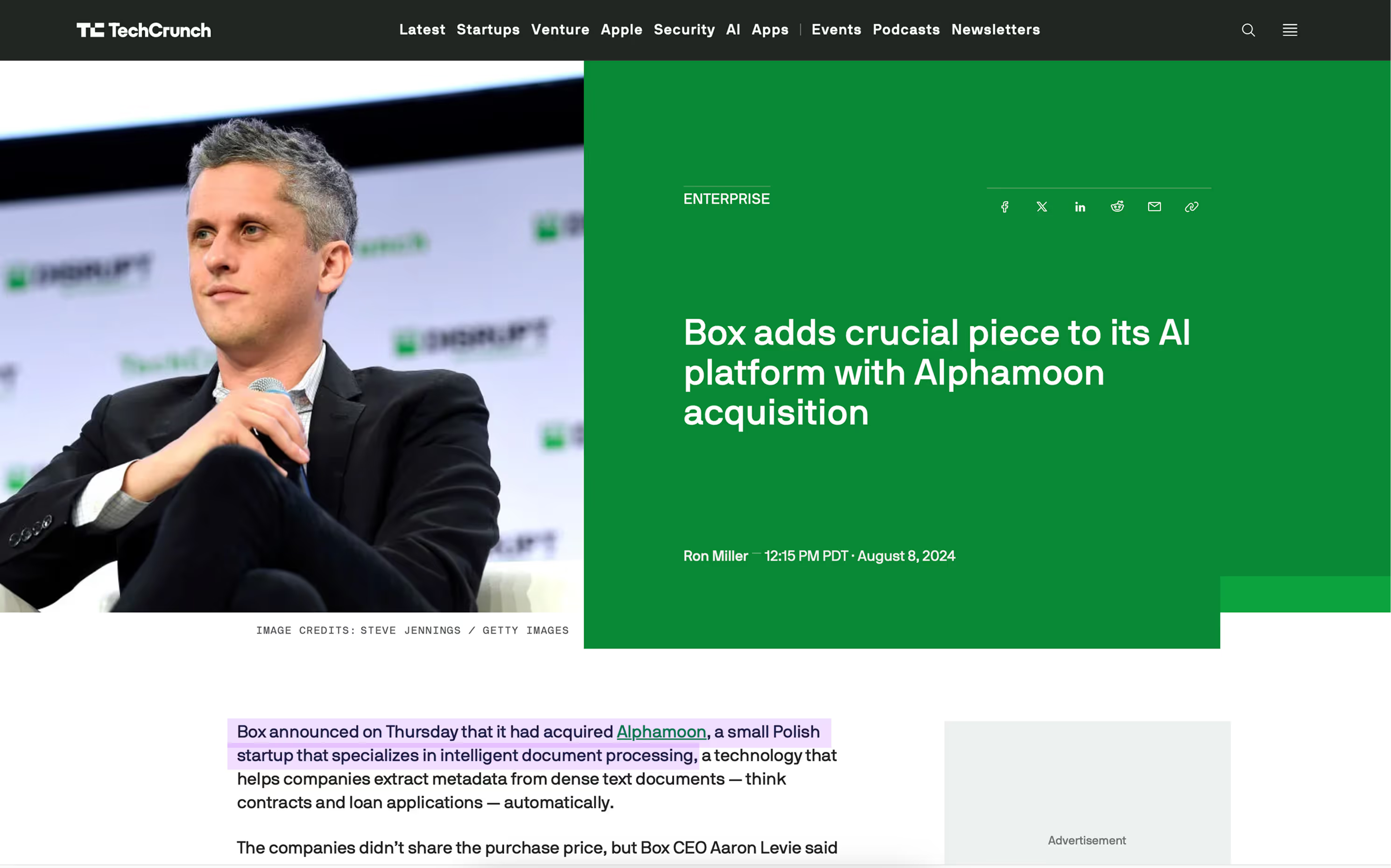
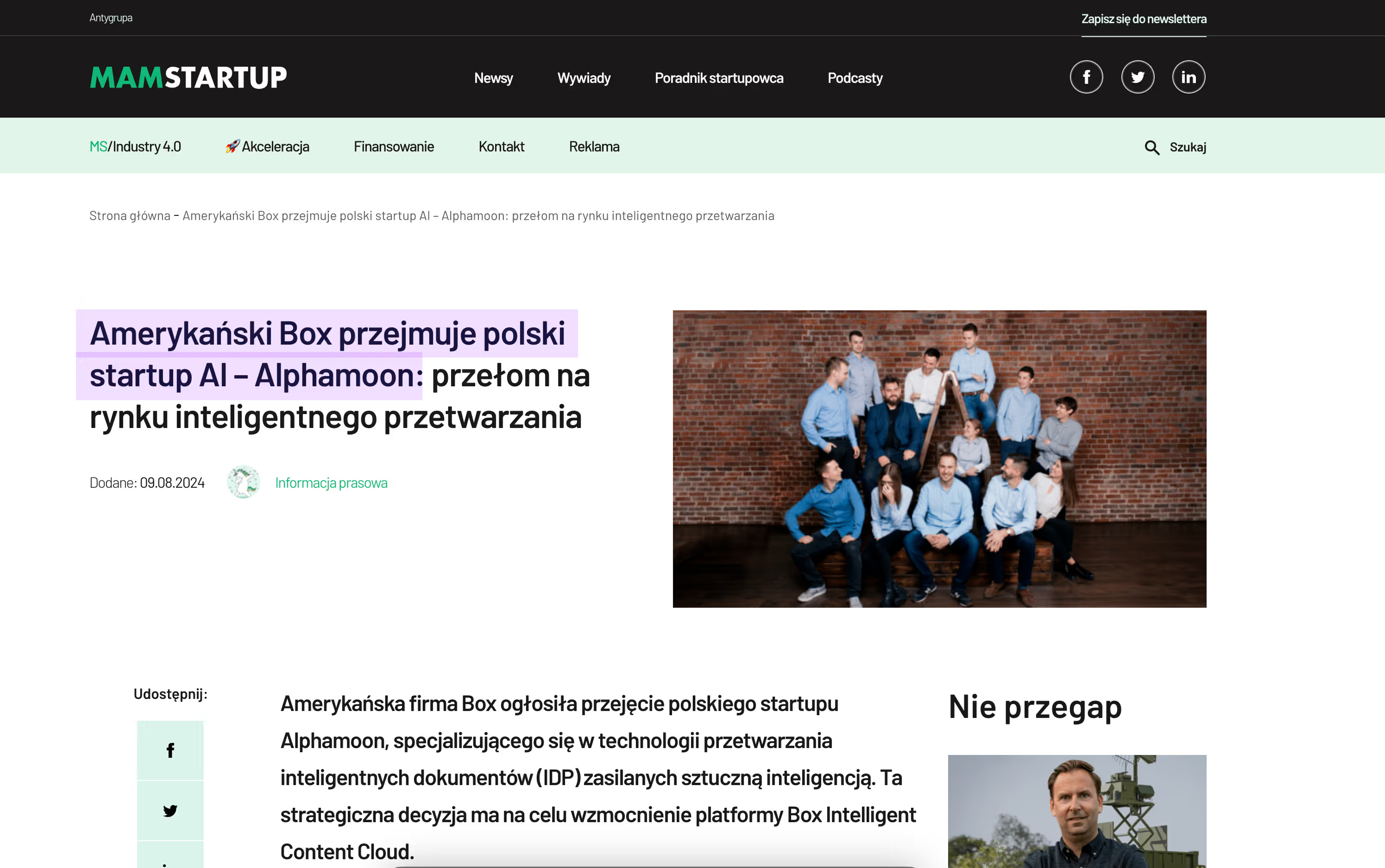
Between 2022–2025, I specialized in post-acquisition integrations at Box — turning externally developed products into enterprise-grade, native Box experiences. My work began where most M&A activity ends: making Crooze, Alphamoon, and Cloud FastPath feel seamless for customers who expect Box-level reliability, security, and scale.
Day-zero enterprise launches (Crooze → Box Apps with pilot clients like Rain Bird), cutting adoption time from months to weeks.
Reusable frameworks (user/admin split, metadata safeguards, content switcher) scaled across 3+ teams before formal standardization.
AI positioning at the C-suite level (Extract reframed under Relay, directly influencing Box’s automation strategy).
Enterprise migrations at scale
(Shuttle enabling 100s of TB/day, PB-level onboarding).
Collectively, these projects shaped Box’s Content Automation strategy and supported Enterprise Plus clients migrating petabytes of content, automating thousands of contracts, and embedding AI-driven workflows into mission-critical processes.
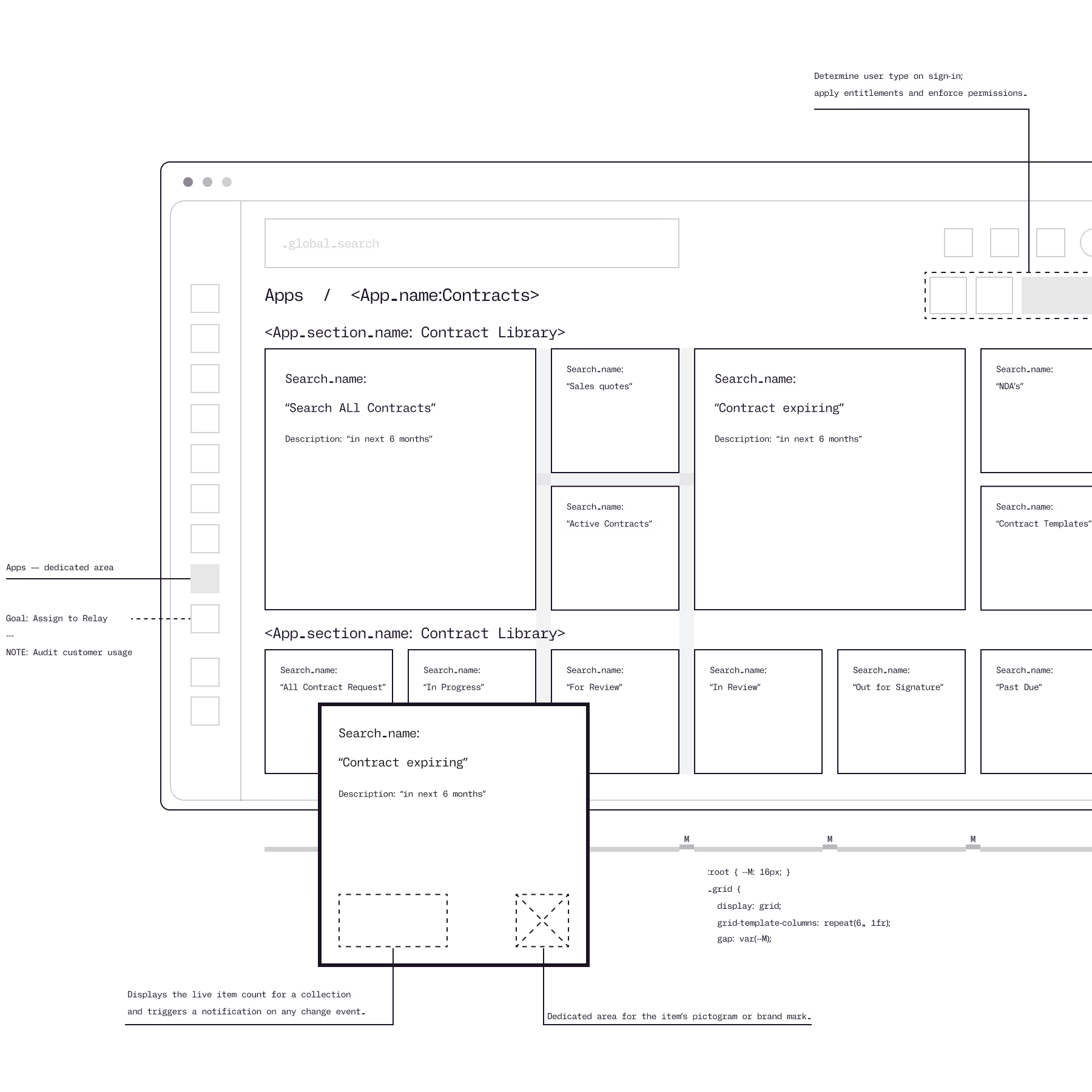
Crooze, a no-code content management builder, was acquired and transformed into Box Apps as part of a strategic initiative to turn unstructured enterprise data into structured, actionable information — the foundation for process automation and AI/LLM use cases.
I joined a small, hand-picked integration team — the group Box relied on for its highest-stakes acquisitions. Working directly with Crooze co-founders Mark Lane and Alain Monier, I was entrusted with the critical Search domain and, due to rotating capacity, often stepped into adjacent areas across the app.
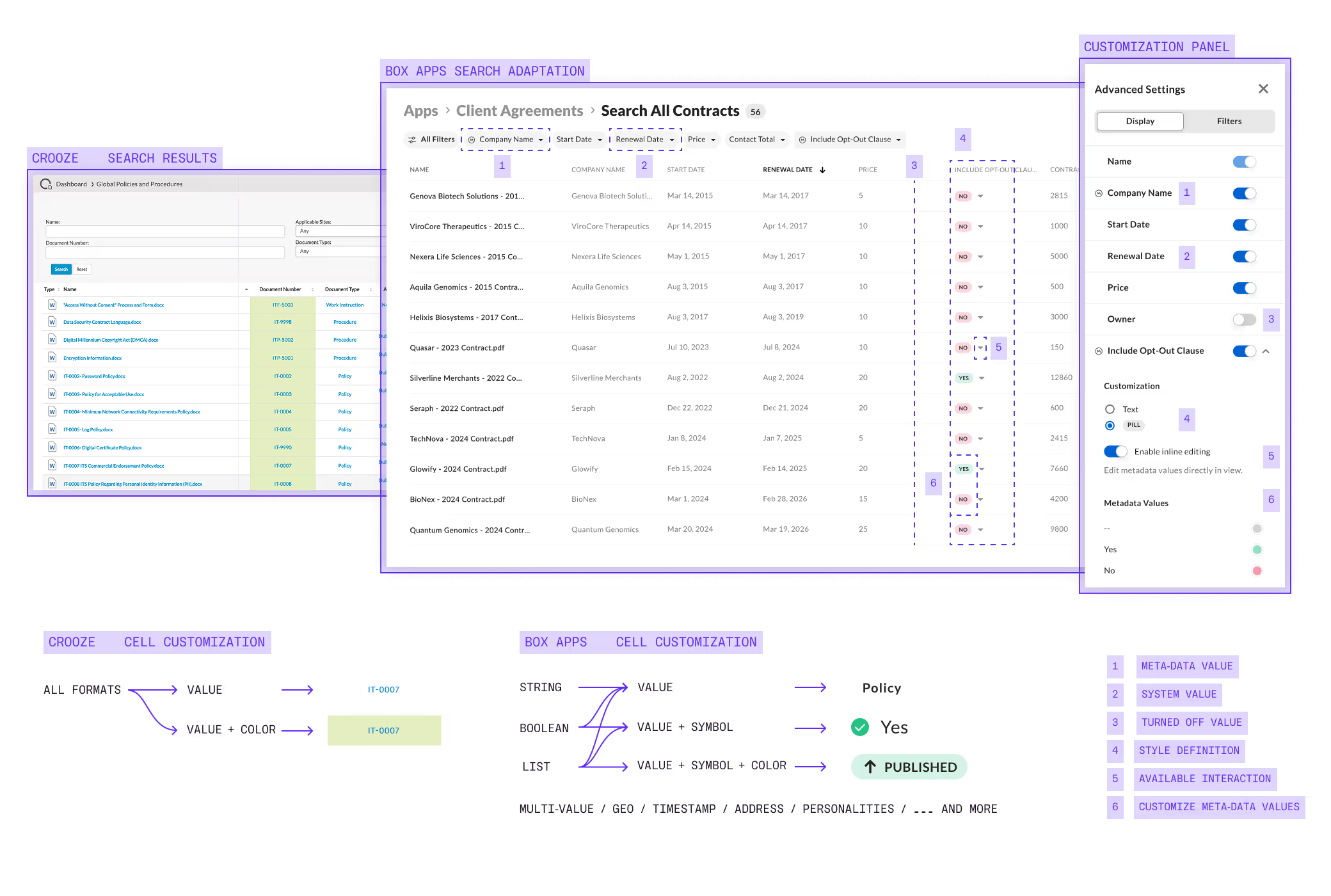
Redesigned Search into a metadata-driven dashboard, transforming it from a retrieval tool into the backbone of enterprise workflows.
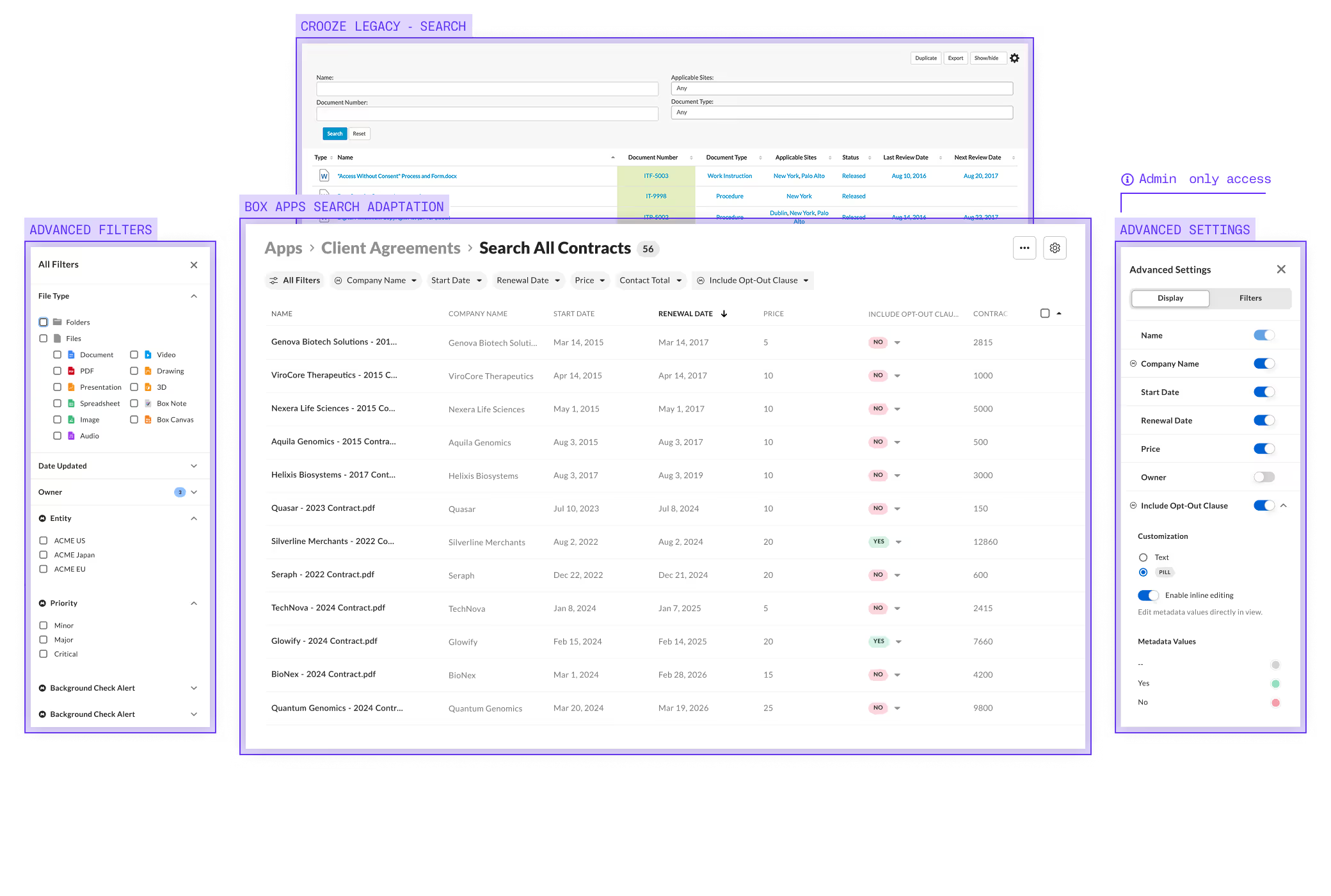
Standardized Crooze’s flexible customizations into extensible Box patterns. Delivered a lightweight pilot to accelerate launch while ensuring long-term scalability.
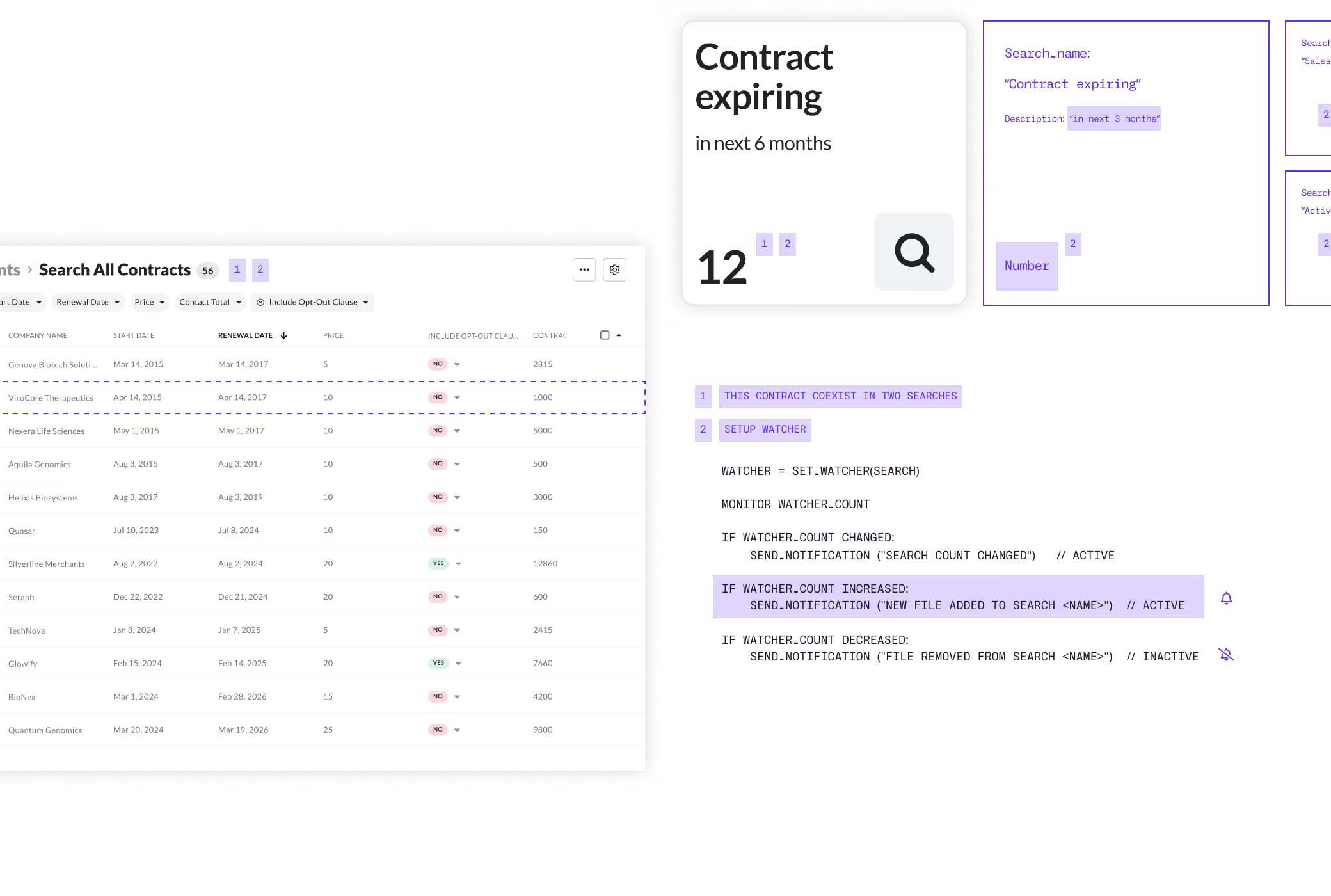
Co-designed with Alain Monier an MVP notification system that unblocked release while setting direction for future Content Automation.
Launched as a fully native Box App in just four months.
Pilots included Rain Bird.
Public launch was positioned alongside Broadcom, Olympus, DPR Construction, and Related.
Example client impact: a retail manager surfaced 15 vendor contracts in minutes and identified 3 with favorable cancellation clauses, avoiding manual review of hundreds of pages and unlocking immediate savings.
Success came from building pragmatic foundations rather than chasing perfect solutions. Shipping MVPs created momentum, ensured compliance readiness, and enabled safe enterprise-scale launches.
Alphamoon’s OCR + AI engine was acquired to become Box Extract, automating metadata capture at scale. This was a cornerstone in Box’s strategy to transform unstructured content into structured, AI-ready data, advancing both Content Automation and the AI roadmap.
After proving myself in the Box Apps integration, only two designers from that elite team were reassigned to Extract: myself and a Principal Designer. Midway through, I took on the design lead role — not as a formal promotion, but because I was co-located with Alphamoon’s founders, worked face-to-face without timezone friction, and had already built trust across Box leadership.
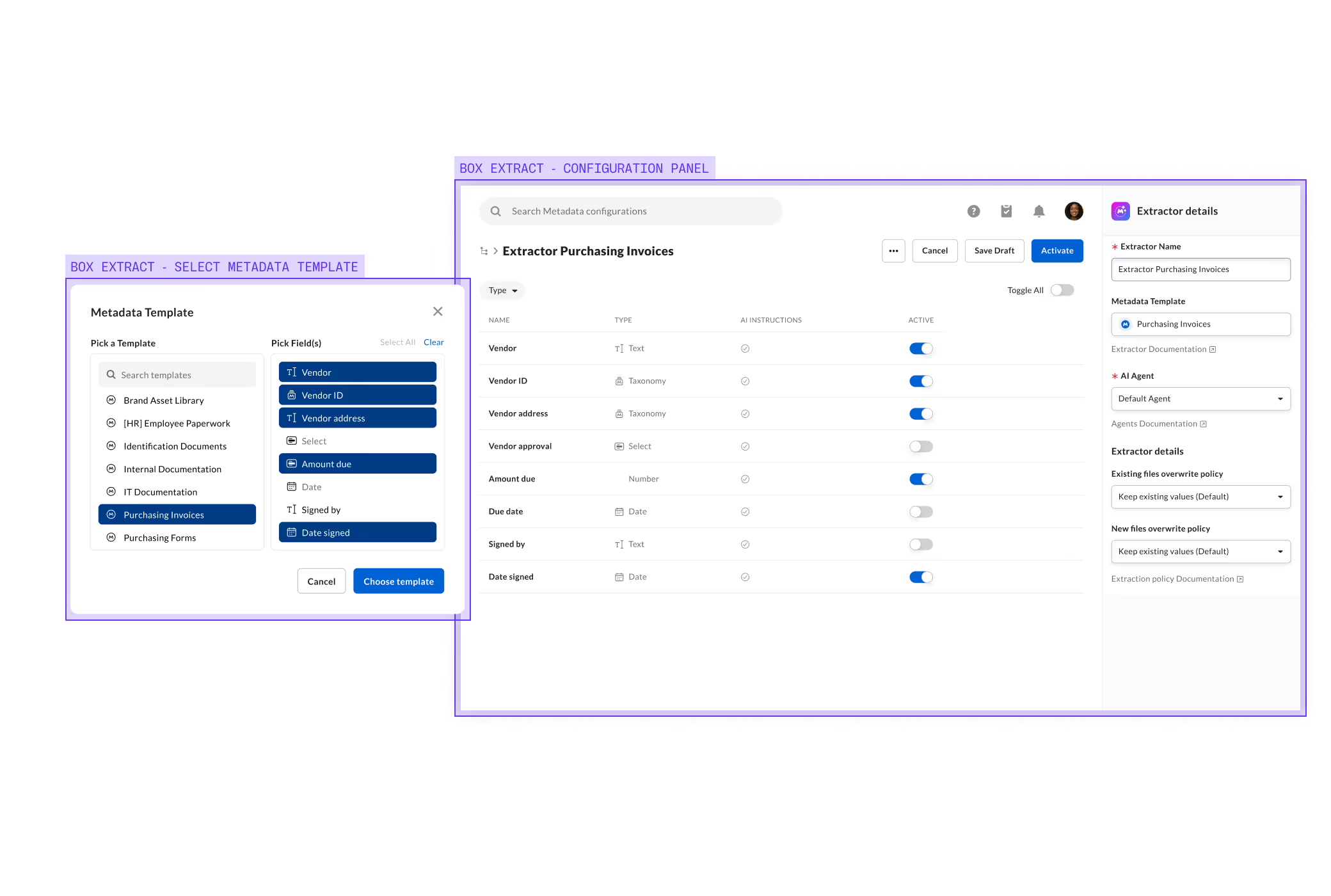
Redesigned the template system — the backbone of Extract.
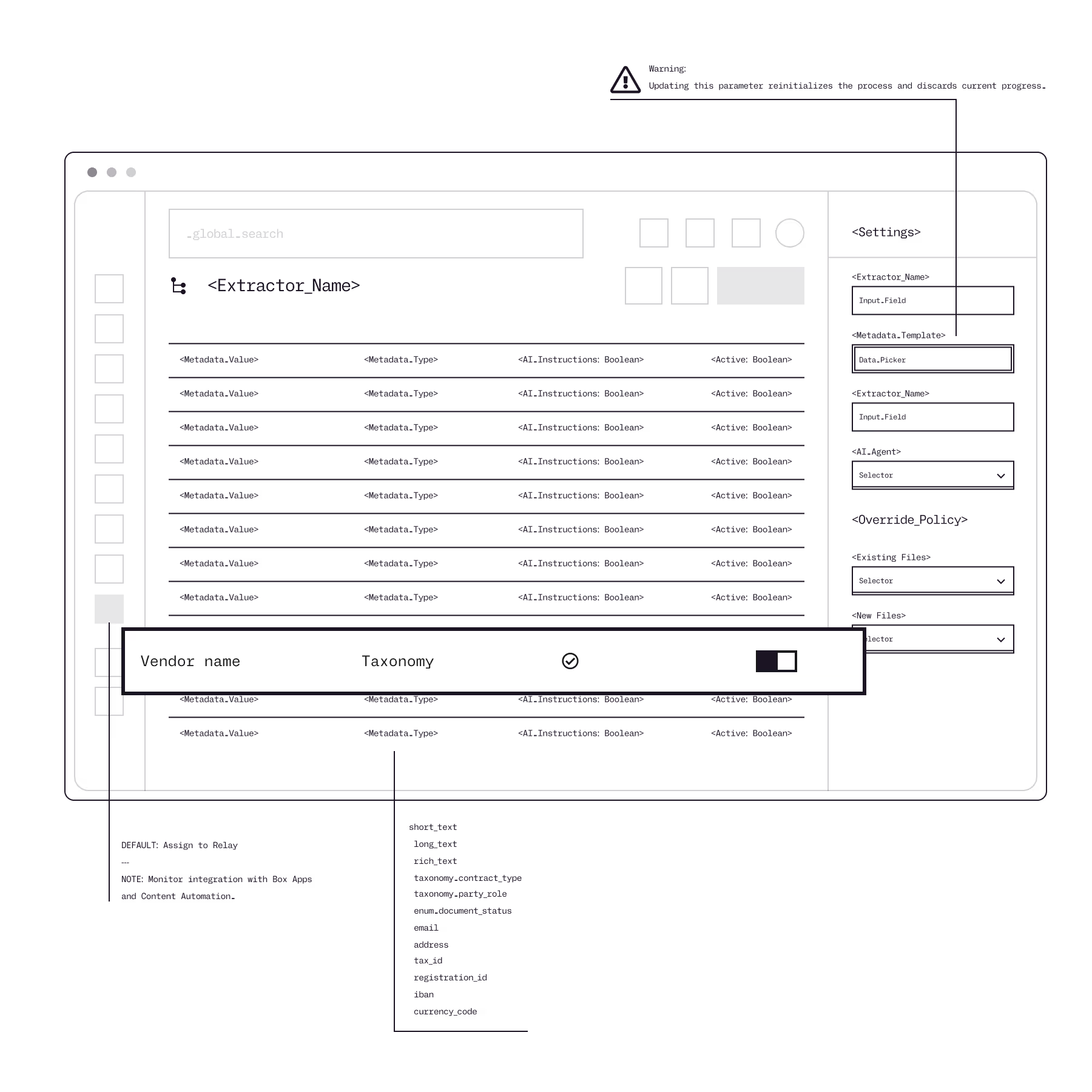
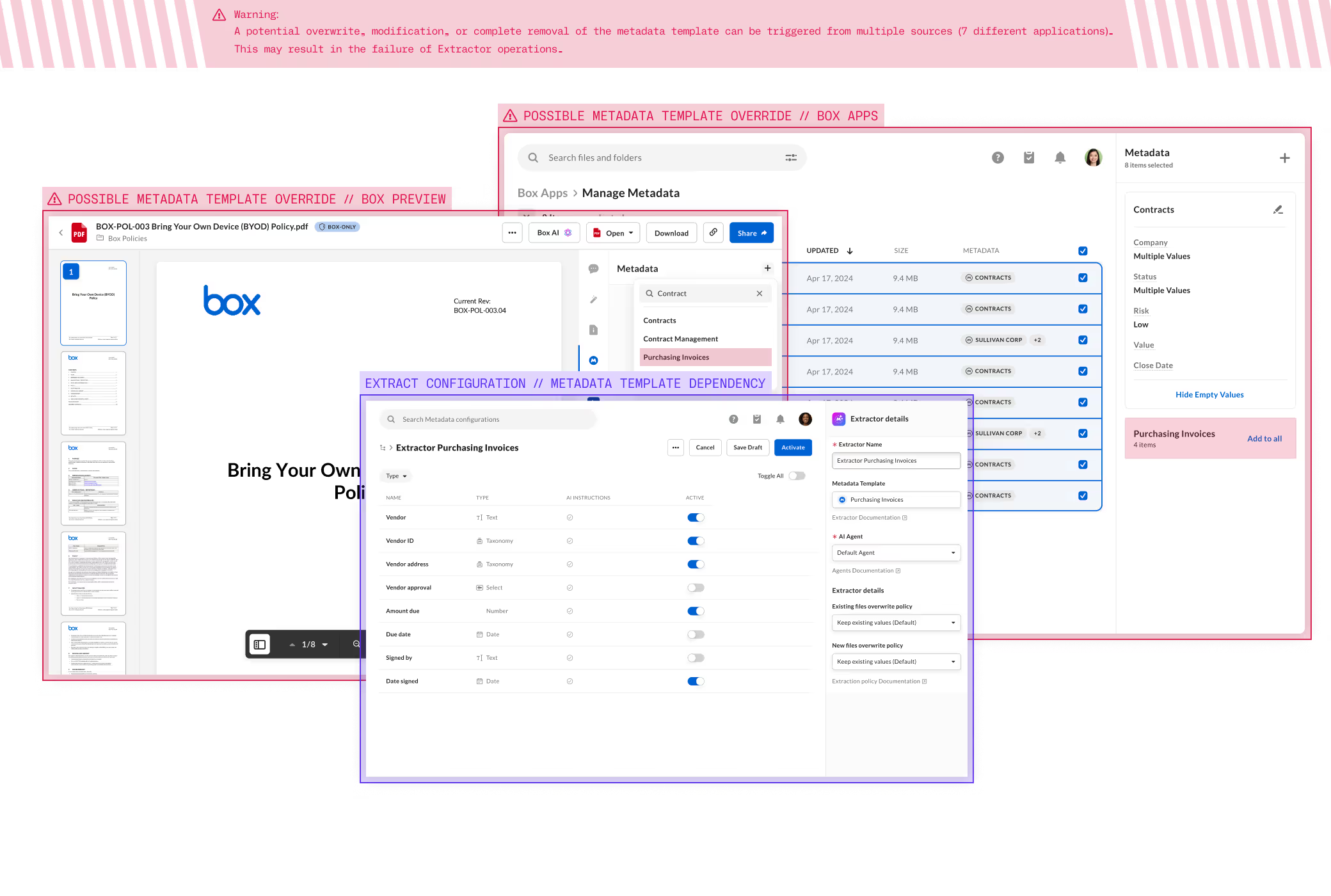
Simplified template creation while introducing safeguards to prevent misconfigurations that could break extractors or generate runaway AI costs.
Raised risks from metadata dependencies inherited from Box Apps. Designed protective patterns and aligned leadership on safeguards that enabled Extract to scale without creating systemic risks.
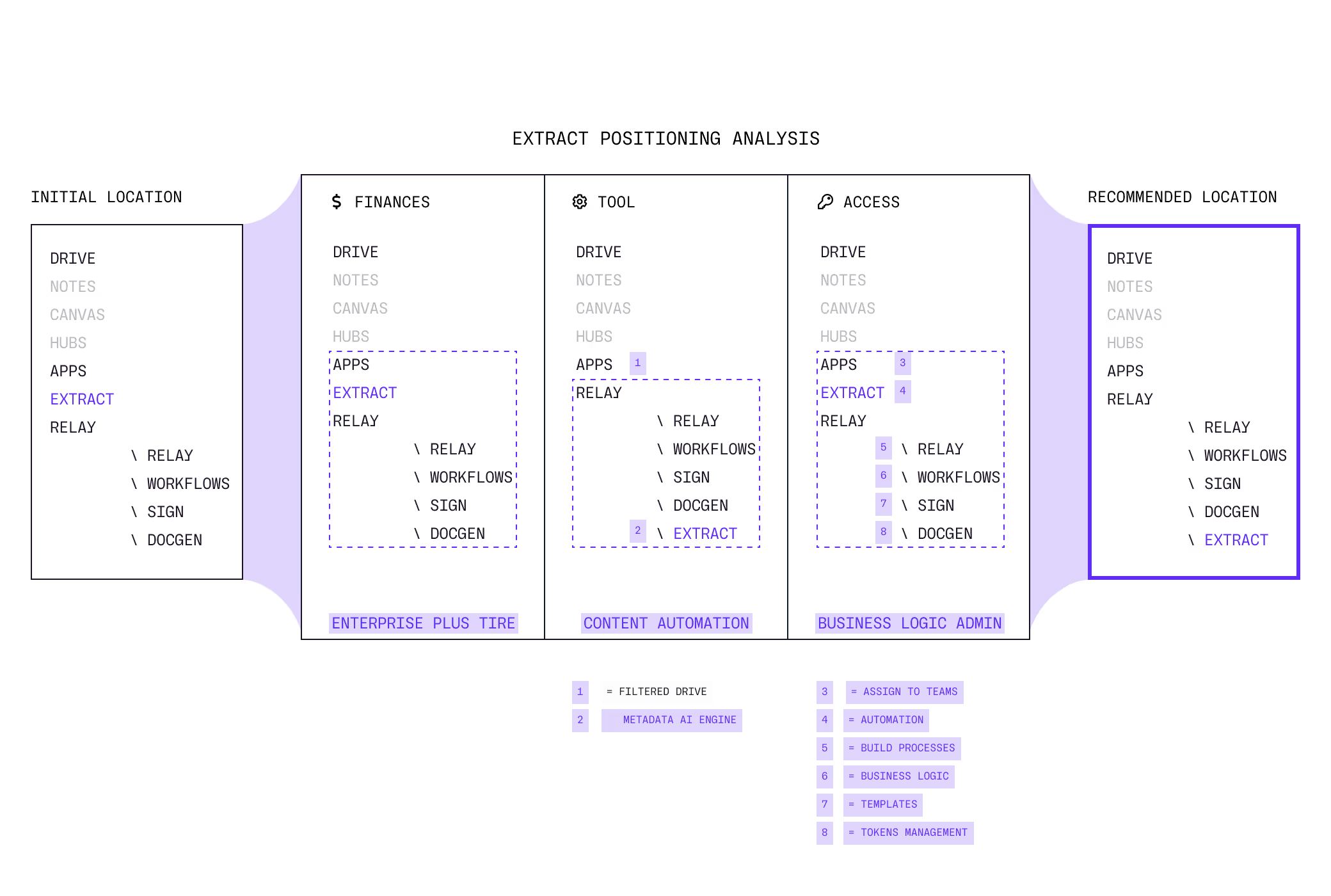
Created journey maps and C-suite framing that advocated for positioning Extract under Relay (Content Automation) rather than as a standalone tool. This narrative gained traction with leadership and influenced roadmap direction.
Box Extract launched within 12 months of acquisition and quickly proved its enterprise impact:
Valmar Financial → boosted context by extracting 250k datapoints vs. 4k before (×60 increase).
Healthcare provider → processed 30k claims daily (~10M annually).
Financial firm → audited 3.8M pages in a single weekend.
Mercer Advisors → cut tax scoping from 2 weeks to 5 minutes, increasing planner productivity by 30–50%.
SSAI → reduced contract processes from 24h → 30min, saving $0.5M annually.
C-suite–exposed projects demand more than design craft — they demand expectation management. With Extract, I learned that while optimism energizes teams, in executive-facing work under-promise and over-deliver is the safer, more strategic path.
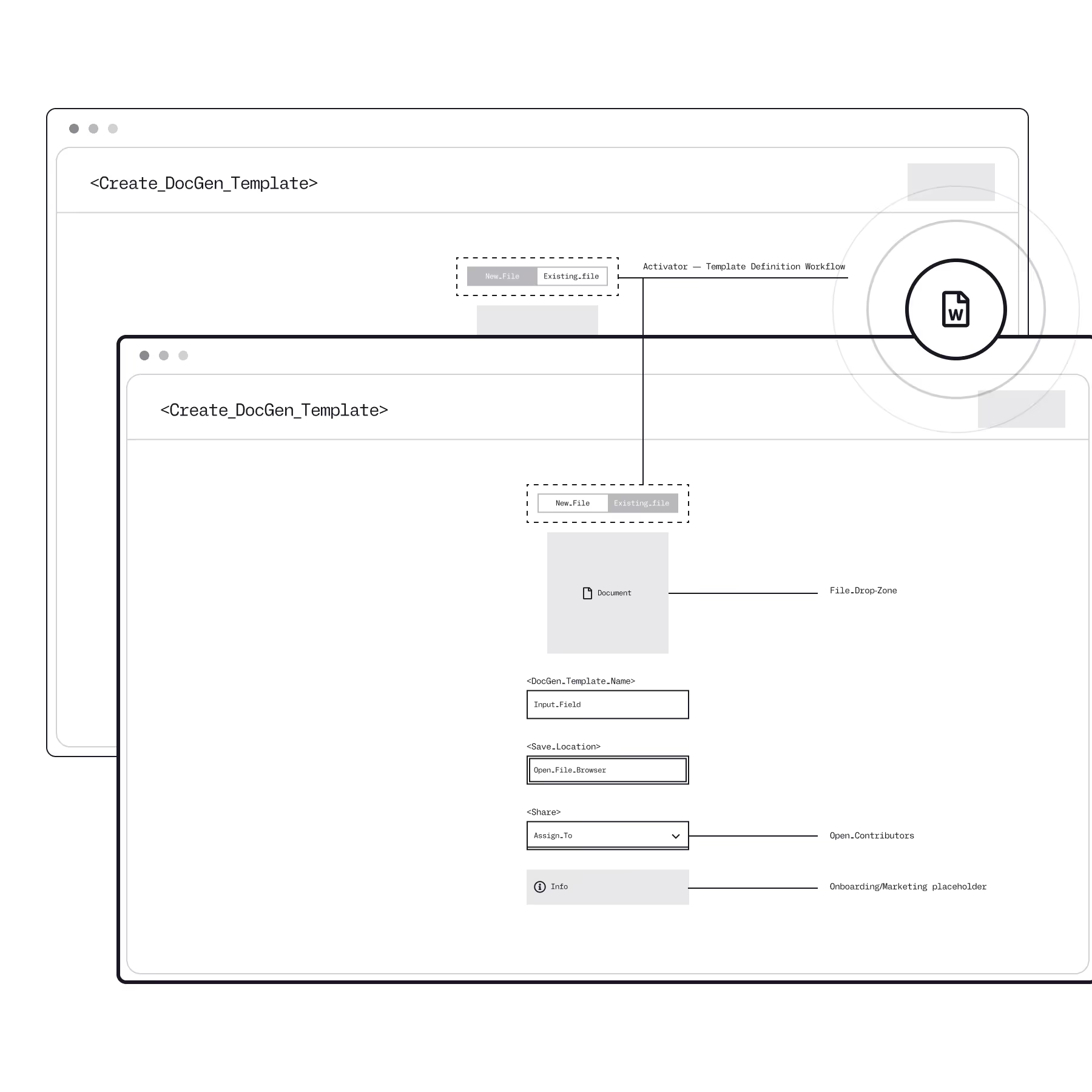
Box DocGen (Document Generation) was designed to let enterprises generate contracts, offers, and invoices directly from their existing documents in Box.
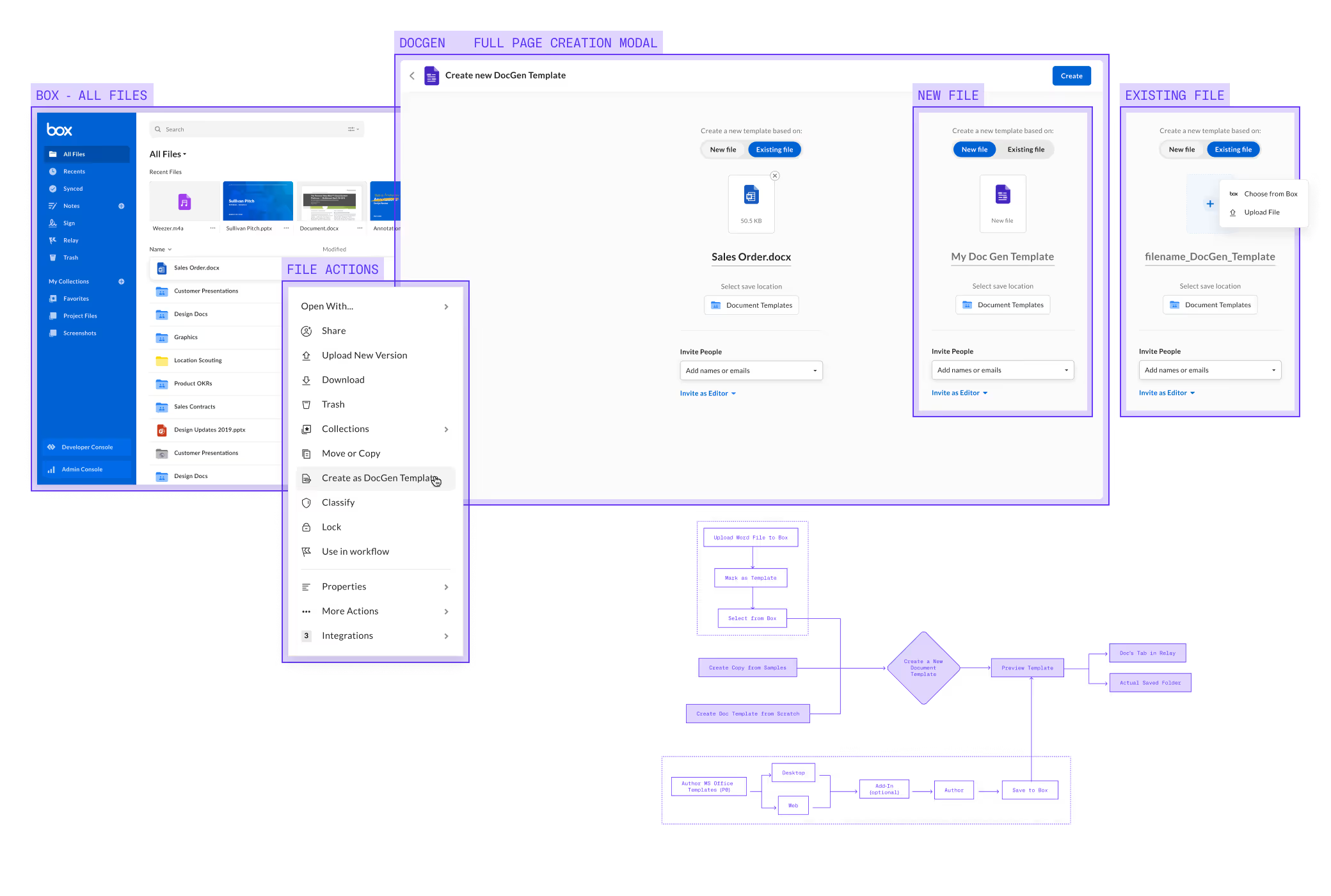
The challenge was to make DocGen location-agnostic — any Word file or text document stored in Box could be turned into a reusable template, without requiring users to enter a dedicated DocGen panel. At the same time, DocGen needed to align with Box’s Content Automation strategy, complementing Relay, Sign, and Workflows.
I was assigned to DocGen as part of the integration strike team, ensuring the experience felt native to Box rather than a siloed add-on.
Enabled users to turn any document in Box into a DocGen template, lowering barriers to adoption and embedding the tool in everyday workflows.
At the same time, I moved away from fragile patterns by introducing a full-page modal — consistent with Content Automation products like Sign and Workflows — ensuring suite-wide alignment and a scalable foundation for future automation.
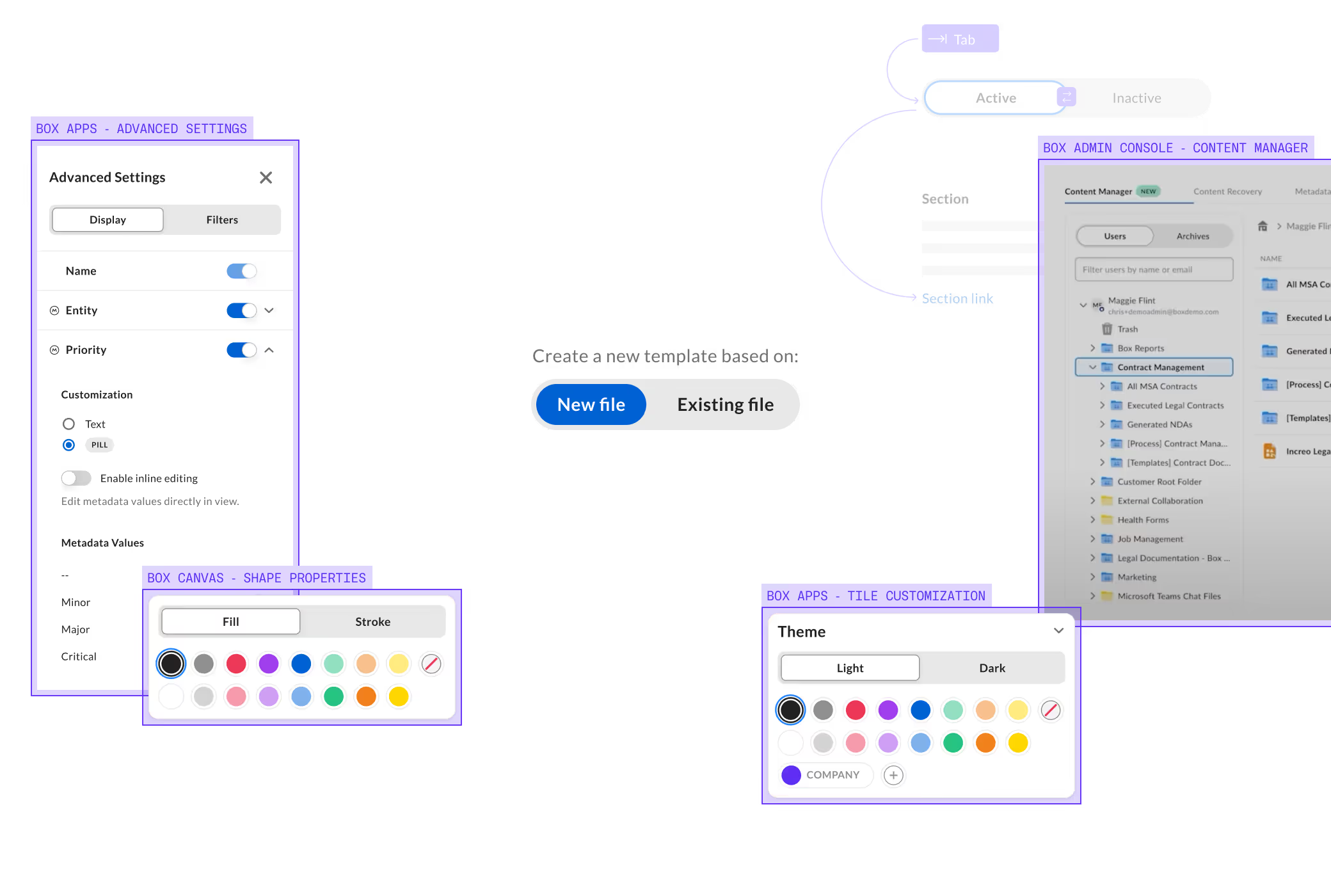
Proposed and designed a reusable system component to manage multiple, closely related options within limited space.
First introduced in DocGen, it later solved customization challenges in Box Apps and Canvas, and was adopted across the suite even before standardization — creating consistency for dense, option-heavy interactions.
Internally, Box used DocGen to generate Statements of Work, reducing response time by 35%.
Broadcom HR integrated DocGen to automate offer letters in their Employee Journey Reimagine program, improving pre-hire processes.
In Sales, DocGen’s API was wired into Salesforce, enabling instant proposal generation and saving managers hours per deal.
The content switcher graduated from DocGen into a core design system component used across the Box suite.
Sometimes impact at Staff level means fighting for new paradigms. In DocGen, insisting on systemic solutions (like the content switcher) not only improved one product but raised the entire design system’s maturity.
Cloud FastPath, a high-speed migration platform, was integrated into the Box Admin Console as Box Shuttle. Its mission: enable enterprises to migrate content from legacy systems to Box at petabyte scale. Publicly, Box positioned Shuttle as capable of moving hundreds of terabytes per day, covering tens of millions to billions of files.
I joined Shuttle as my first project at Box, contributing to a highly visible integration that would later open doors for me to more strategic initiatives.
I design the scheduling foundation that gives IT admins control at massive scale, aligning the UI with backend realities.
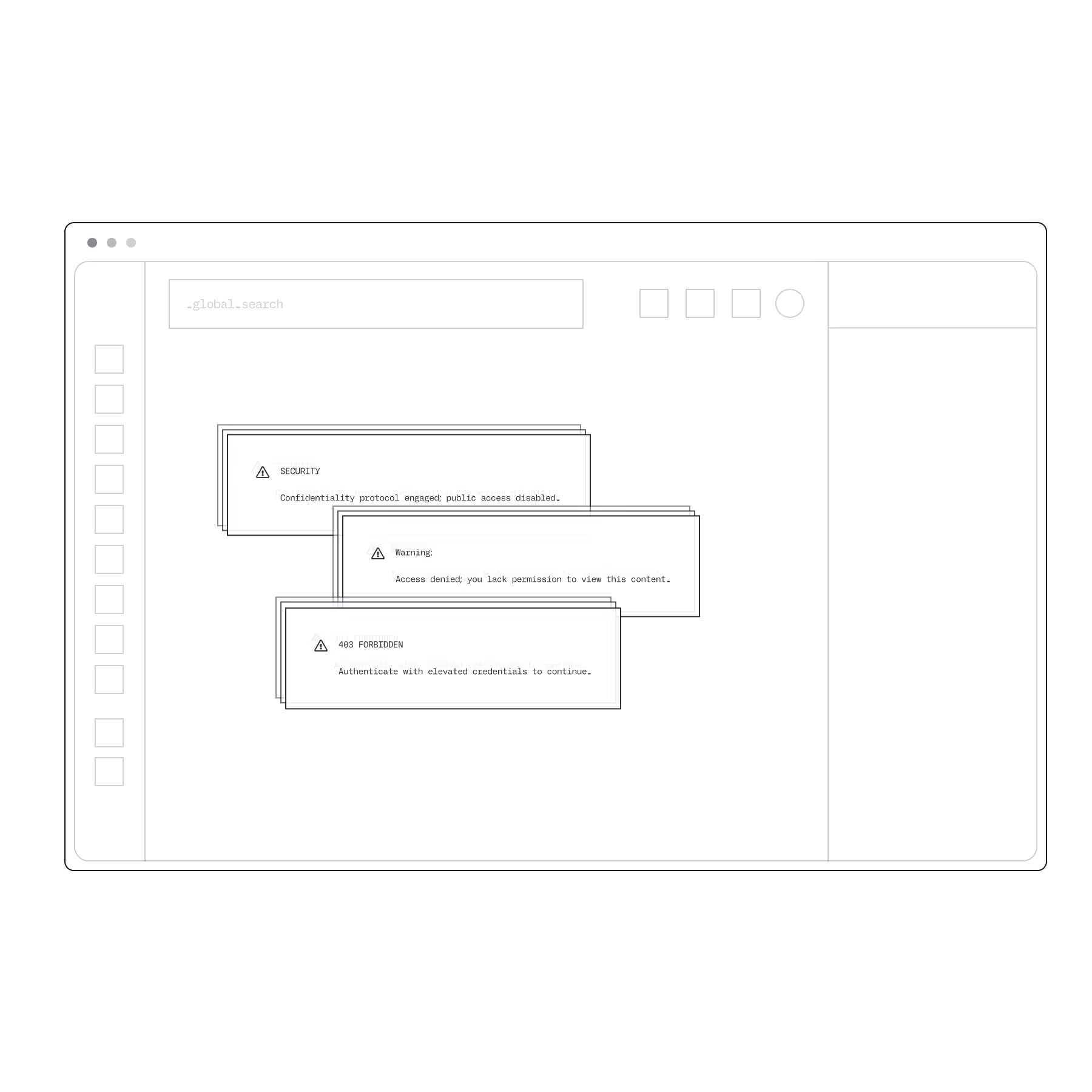
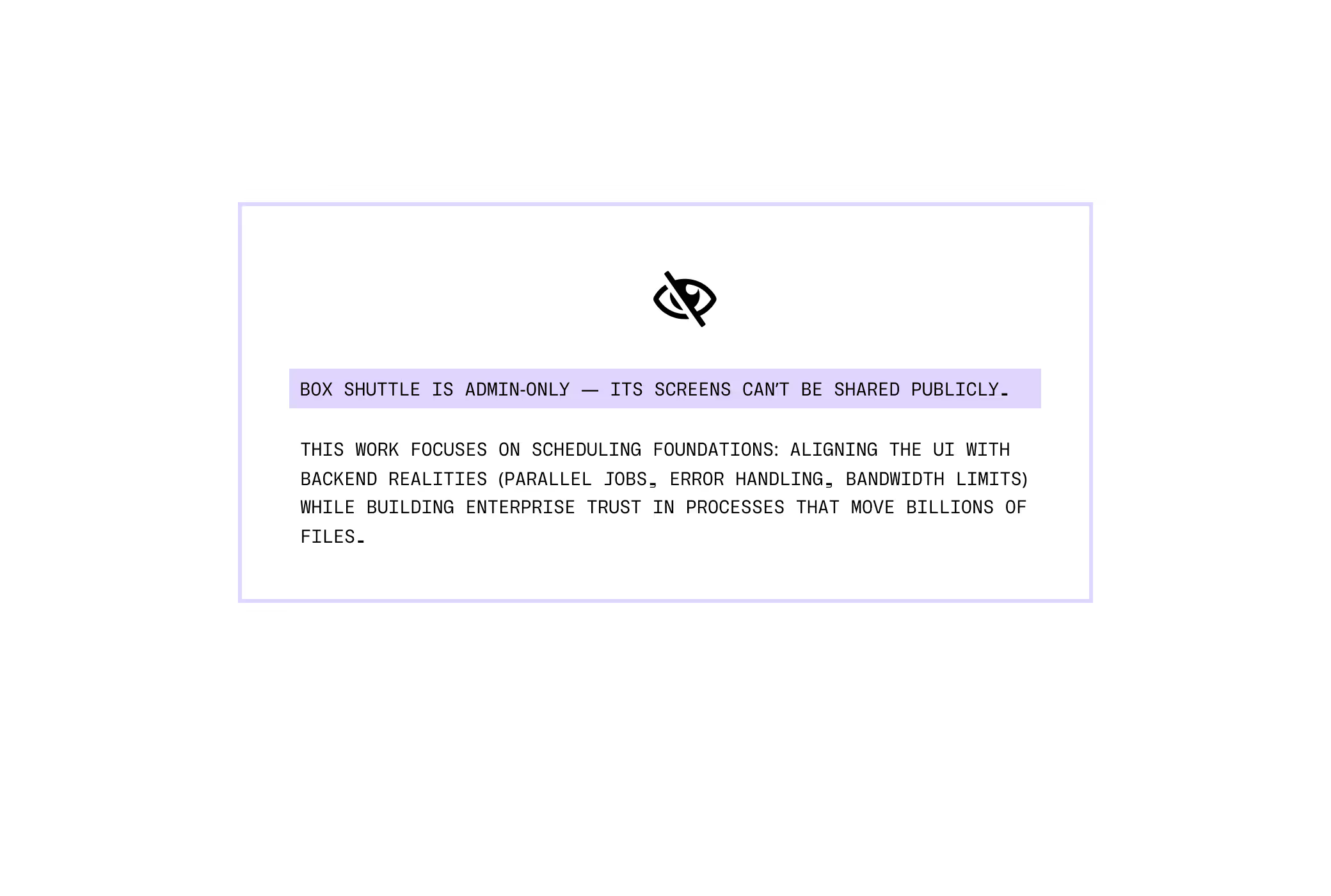
As an admin-only tool, Box Shuttle stays invisible — yet the experience I design is the hidden control layer behind the largest enterprise migrations Box executes.
Box Shuttle became the default solution for enterprise onboarding, successfully migrating hundreds of terabytes to petabytes of data for Box’s largest clients. The scheduling UX I defined was a critical enabler of trust and predictability in these transitions.
At petabyte scale, even a seemingly “minor” UX decision — like how a status indicator or scheduling flow works — can carry billion-dollar implications for enterprise trust.
Shuttle taught me to see how small design details ripple outward into strategic adoption outcomes.
Across Box’s acquisitions I focused on creating scalable patterns and playbooks, turning integration learnings into reusable frameworks that later teams adopted.
I influenced the product roadmap by reframing acquisitions under Relay and shaping how leadership positioned AI and automation. I strengthened ways of working by promoting lightweight Design–PM–Engineering trios that sped up decisions, and I invested in mentorship, coaching junior designers to communicate confidently at the executive level.

Integration is about weaving product DNA into the ecosystem, not surface-level screens. Box Apps taught me that success comes from aligning with system architecture and product strategy, not just redesigning interfaces.
Scalable patterns accelerate future acquisitions. Turning metadata safeguards and content switchers into reusable playbooks meant the next integration started faster and stronger.
Onboarding and awareness drive success. DocGen showed me that even elegant flows don’t matter if entry points aren’t obvious and adoption pathways aren’t embedded.
Especially in AI, transparency and control are outcomes. Extract made clear that enterprise clients need safeguards and confidence scores as much as they need automation speed.
Creating structures that empower other teams is the true lever. When components and frameworks spread beyond my own projects, I knew the design impact was scaling.
Even minor UX choices can ripple into strategic outcomes. Shuttle proved that a detail like a scheduling flow or status indicator could influence billion-dollar migrations.
Collectively, these projects shaped Box’s Content Automation strategy and directly supported its largest Enterprise Plus clients — from migrating petabytes of content and processing tens of millions of files, to automating thousands of contracts and financial workflows. My role was not only to make these transitions seamless for end-users, but also to ensure they were strategically aligned with Box’s long-term vision for AI-driven, enterprise-grade automation.
Public references:


