Postclick
Redefining onboarding as a pre-conversion journey
2020-2022
At Postclick, I initially worked on Ad Network integrations — connecting Google Ads, Meta Pixel, and other advertising platforms with the company’s landing-page engine.
That experience gave me a front-row view of where data flows broke and why customers struggled to activate after purchase.
When I later joined the onboarding initiative, it was clear that these technical dependencies were at the heart of a much larger problem.
New customers faced a paradox: they had paid, but couldn’t start using the product.
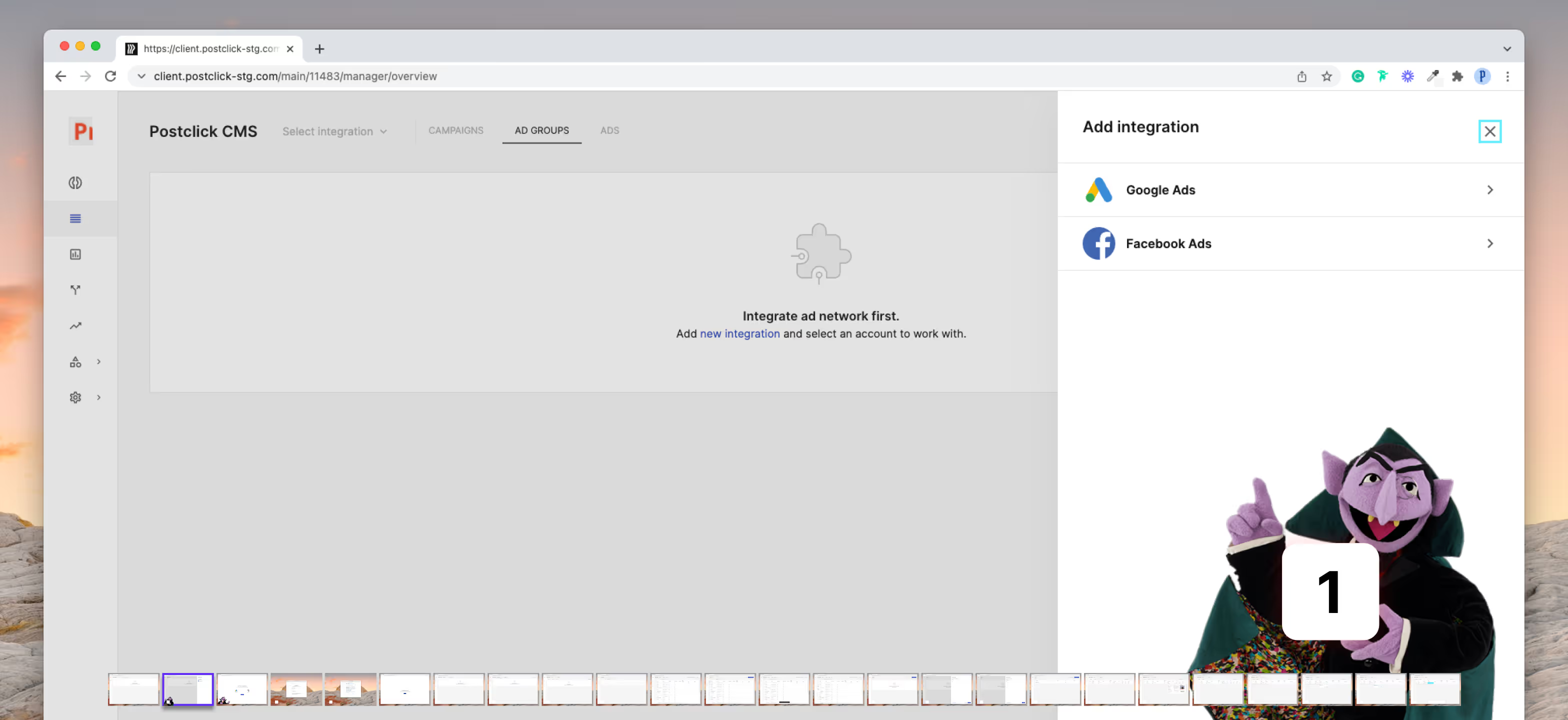
Connecting ad networks required 24 manual steps across four screens and often two people with different permissions.
Even the “fast path” — two minutes of nonstop clicking — felt absurd.
To illustrate the issue during an all-hands, I showed a clip of Count von Count from Sesame Street gleefully counting through all 24 steps.
It broke the room — and finally made the scale of the problem tangible.
The takeaway was simple: onboarding wasn’t a usability problem. It was a strategic bottleneck slowing growth, support, and adoption.
With no dedicated PM or budget, I set a challenge:
“Let’s make onboarding feel like one click.”
I mapped dependencies, shadowed Customer Success Managers, and worked with Ad Network engineers to test how much friction could be reduced without breaking compliance or partner rules.
This exploration aligned the team around a feasible next step — adopting Appcuse for contextual guidance.
It wasn’t revolutionary, but it proved we could simplify safely.
And that foundation opened the door for the next experiment: Onboarding Genie.
I wanted to show that the same simplification could work before the paywall — not just after signup.
So I designed a quick pre-sale experience that let prospects preview the product, personalize content, and auto-fill CRM data before even becoming customers
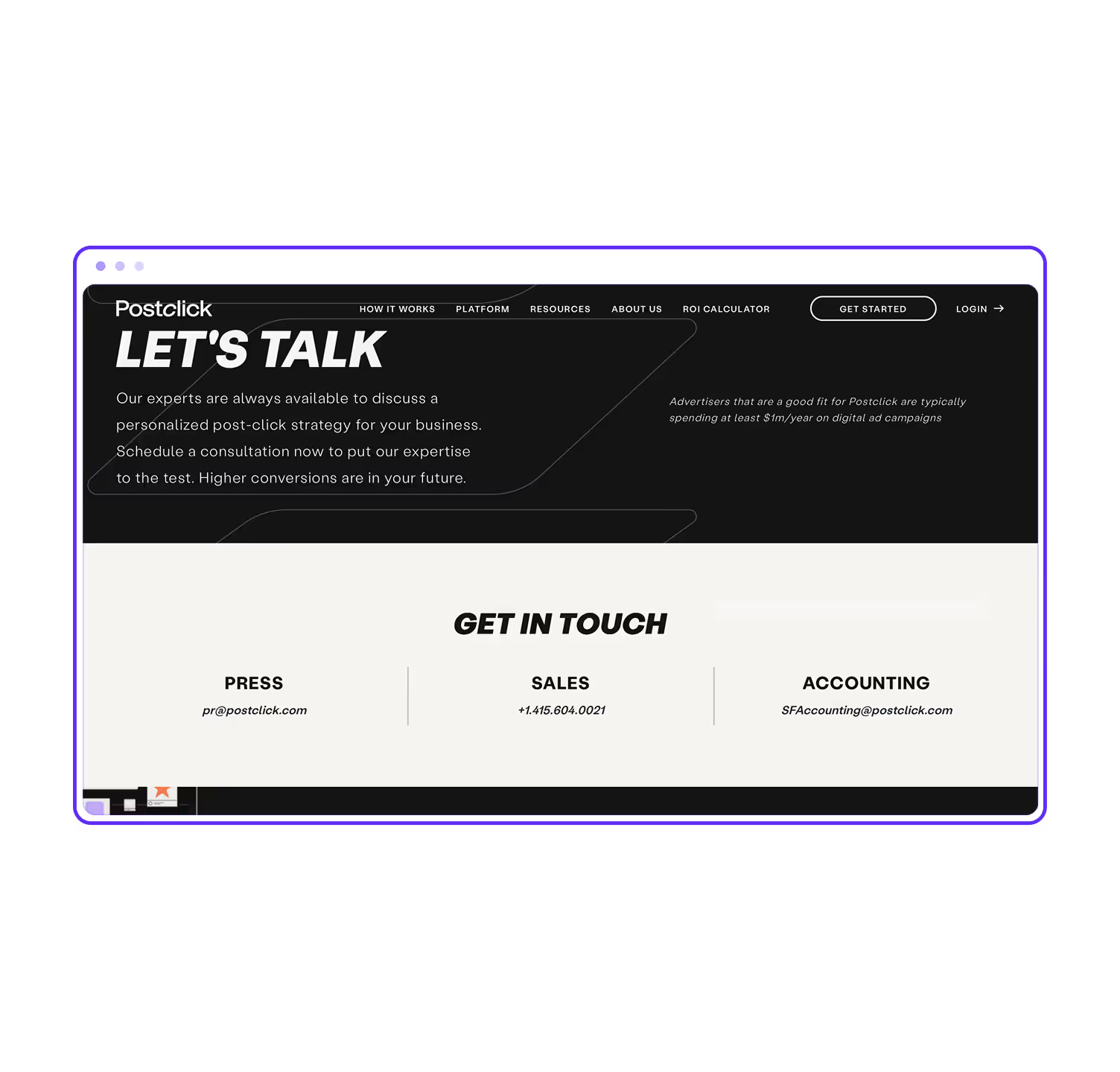
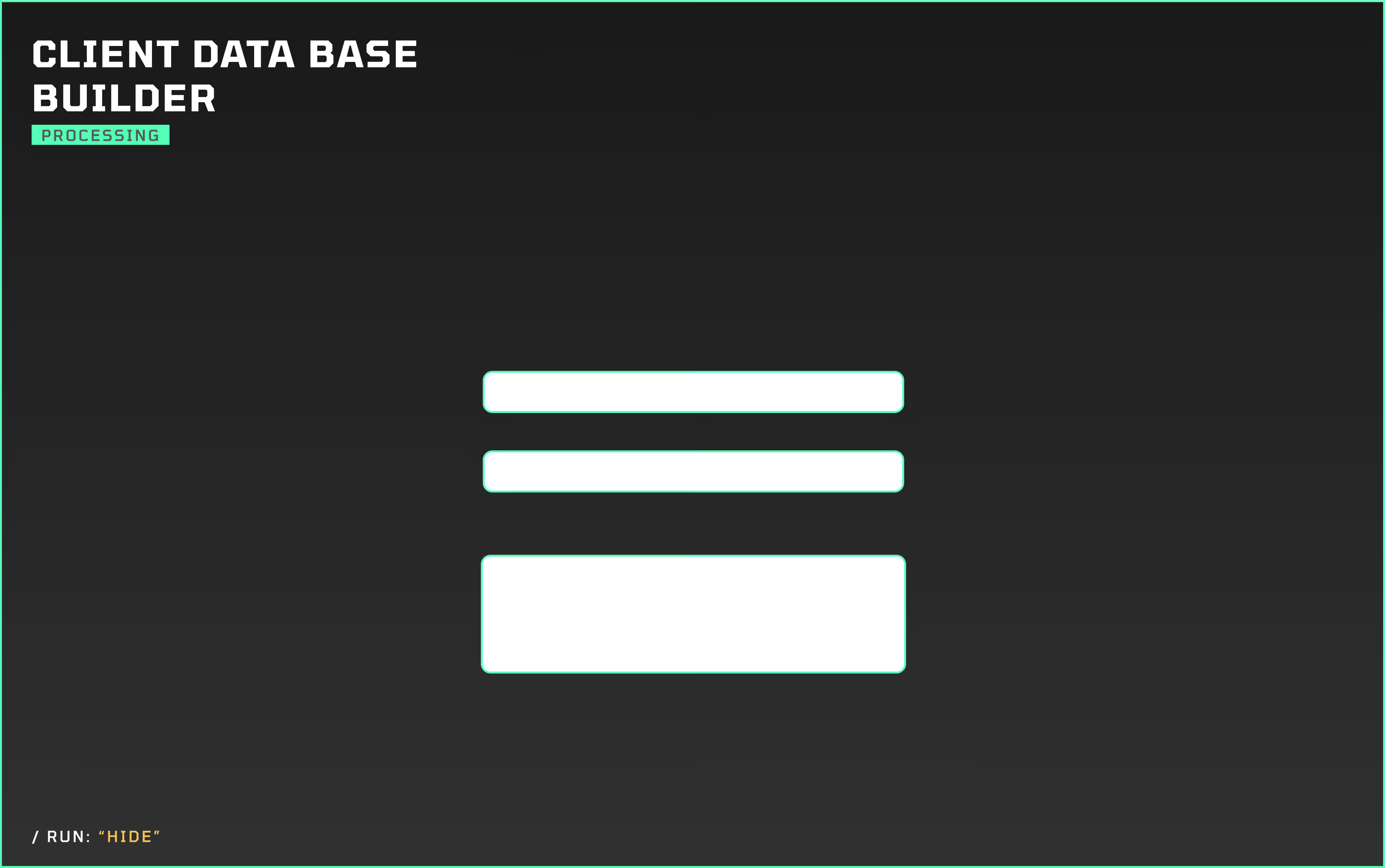





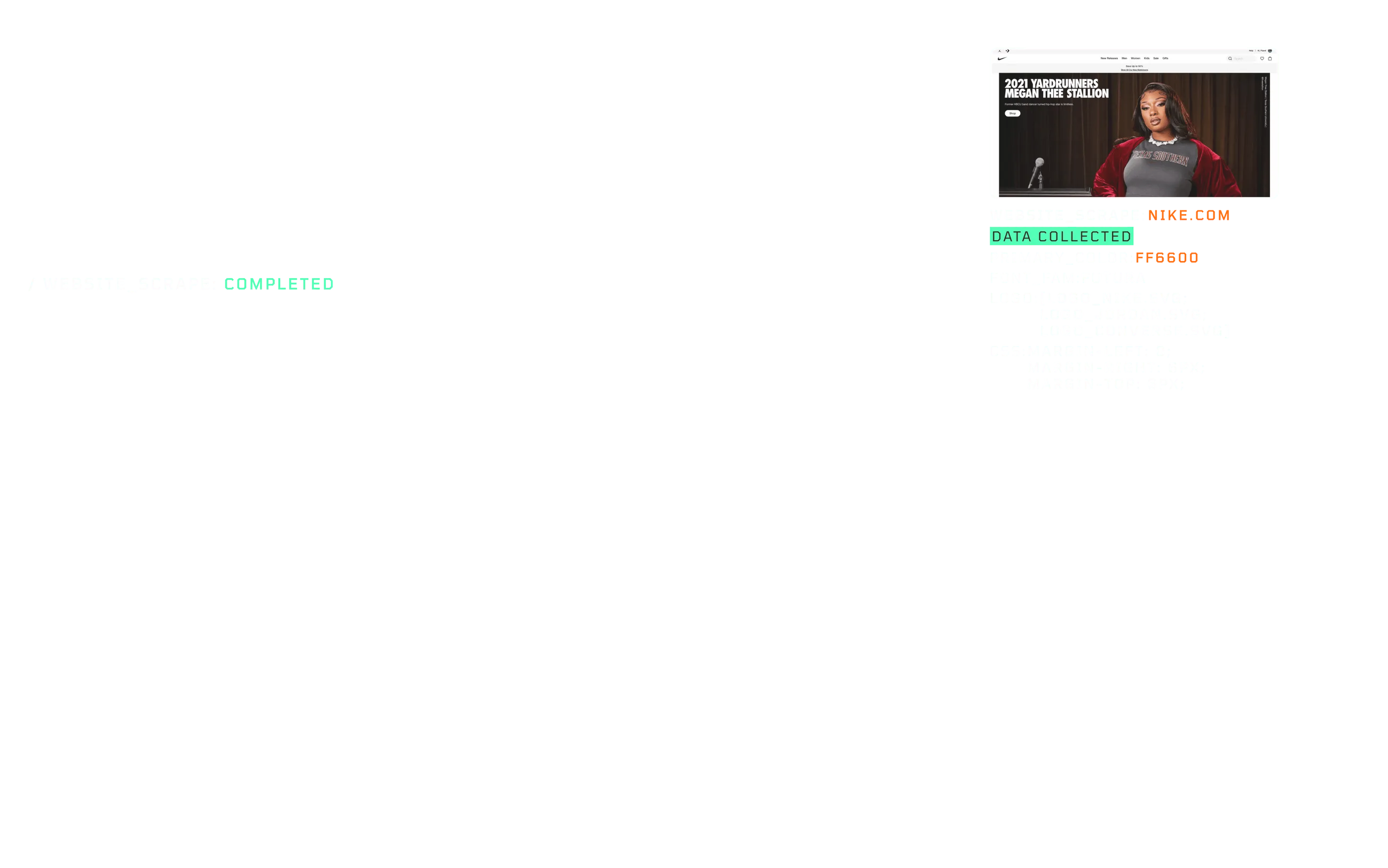

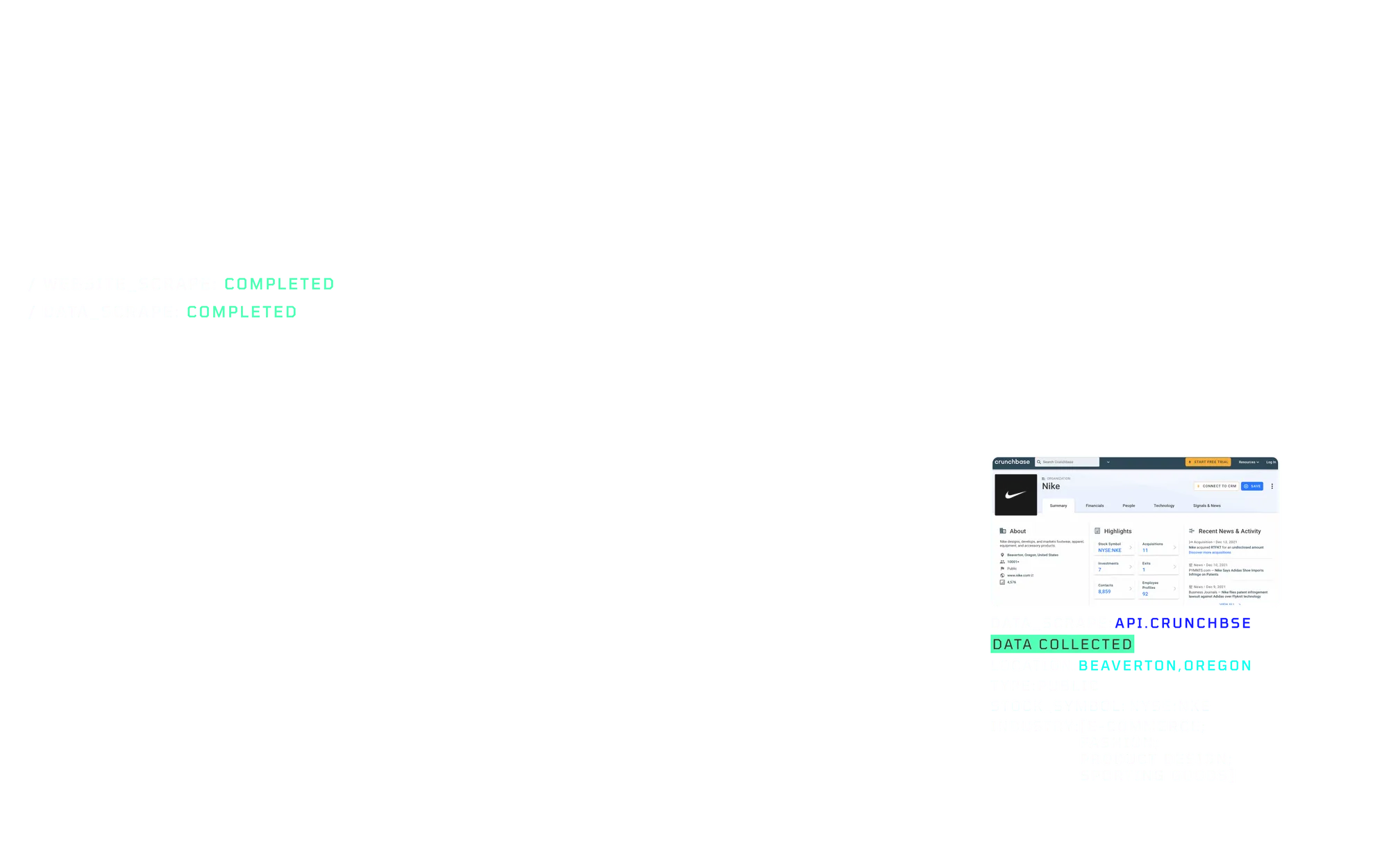
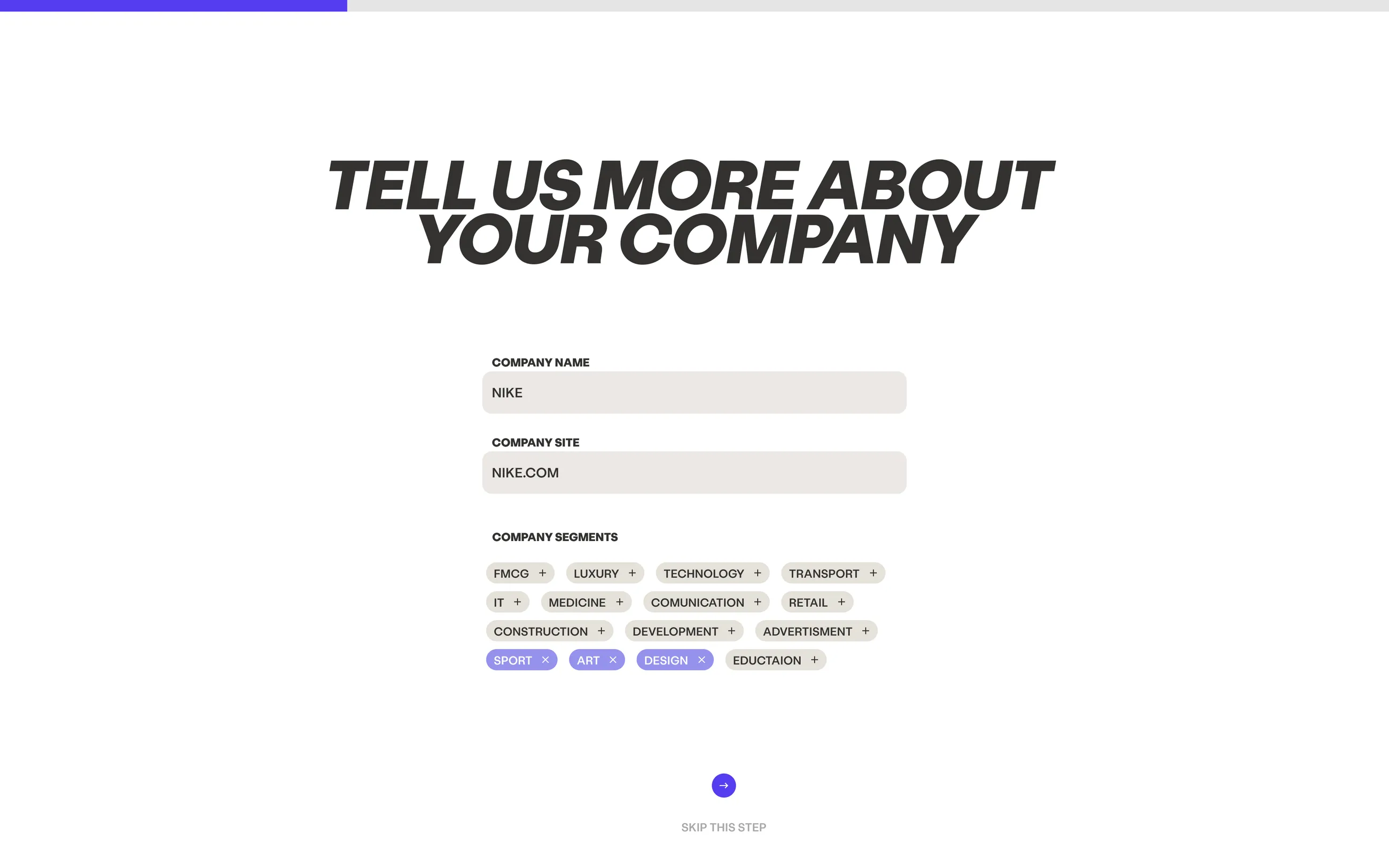
To prove it could be done fast, I built a 30-minute MVP using only Typeform, Google Sheets, and Salesforce.
I deliberately avoided code or Webflow — I wanted to make the point that speed and creativity mattered more than tooling.
Prospects answered a few lightweight questions; behind the scenes, APIs and scrapers enriched their profiles and generated personalized landing-page previews.
The flow fed structured, qualified leads directly into Salesforce, reducing manual CSM work.
When I demoed it during an all-hands session, CEO Tyson Quick ↗ called it
“... radical forced simplicity.”
It reframed onboarding from a reactive support process into a proactive growth engine.
The takeaway was simple: onboarding wasn’t a usability problem. It was a strategic bottleneck slowing growth, support, and adoption.
Estimated +$500K ARR uplift (+5 % conversion increase)
Validated Appcuse as the core onboarding platform
Created automation logic reused across teams
Strengthened alignment between Product, CSM, and Data groups
The project also revealed a key insight: some onboarding “friction” was deliberate — designed to foster personal connection with clients.
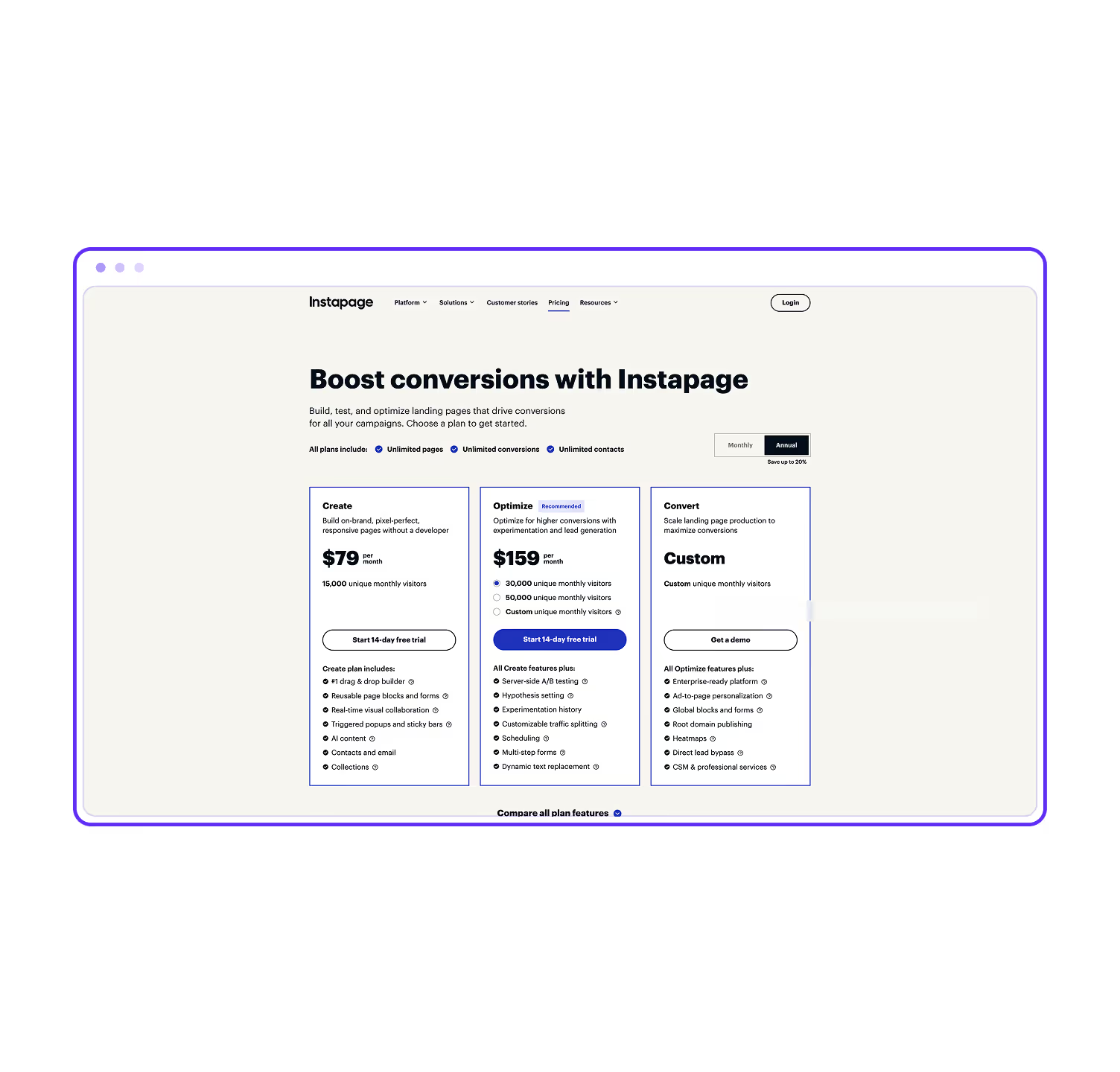
Soon after, Postclick and its parent company Instapage were acquired by airSlate, marking a natural close to the initiative — and another case where I found myself contributing at the edge of a merger.
“Design influence isn’t about removing every obstacle — it’s about knowing which ones matter.”
Onboarding started as a technical nuisance, but became a catalyst for cultural change. By making complexity visible — even through humor — and proving what could be done with minimal tools, I turned a 24-step ritual into a story about growth, alignment, and creative influence inside a scaling SaaS company.