Box Workspace
Reframing a legacy app into a modular workspace system
2022-2024
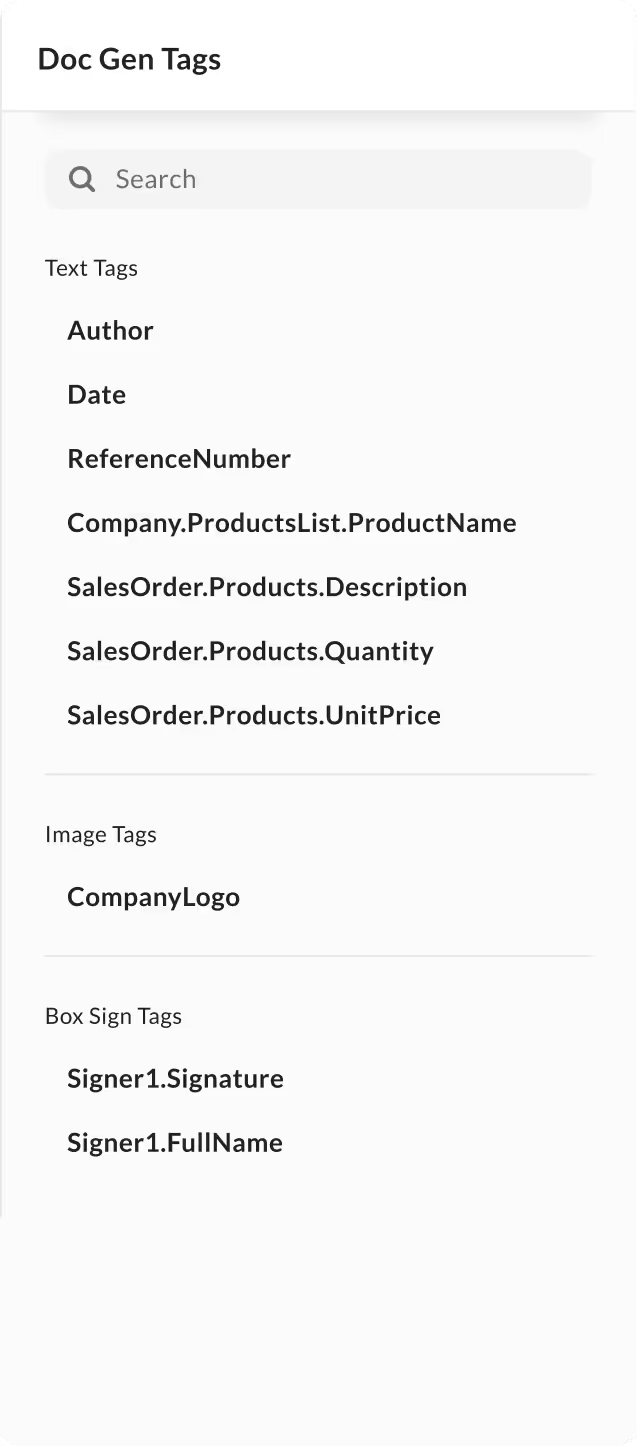
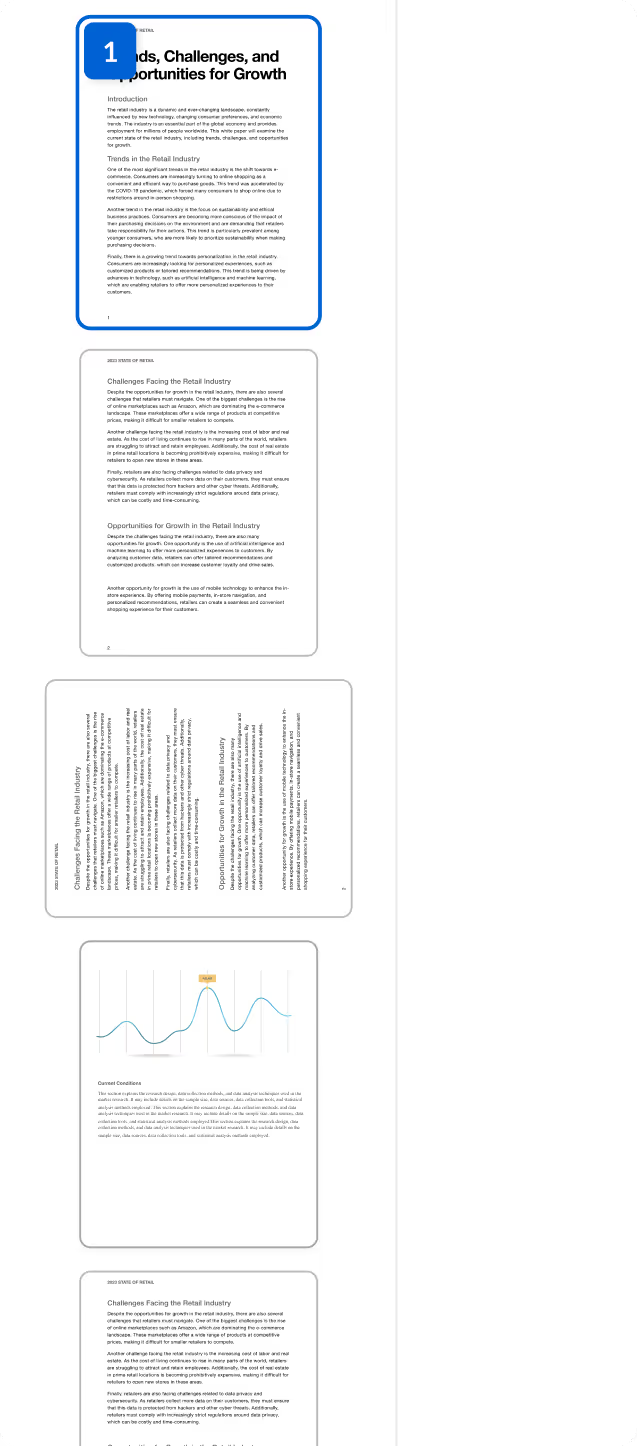
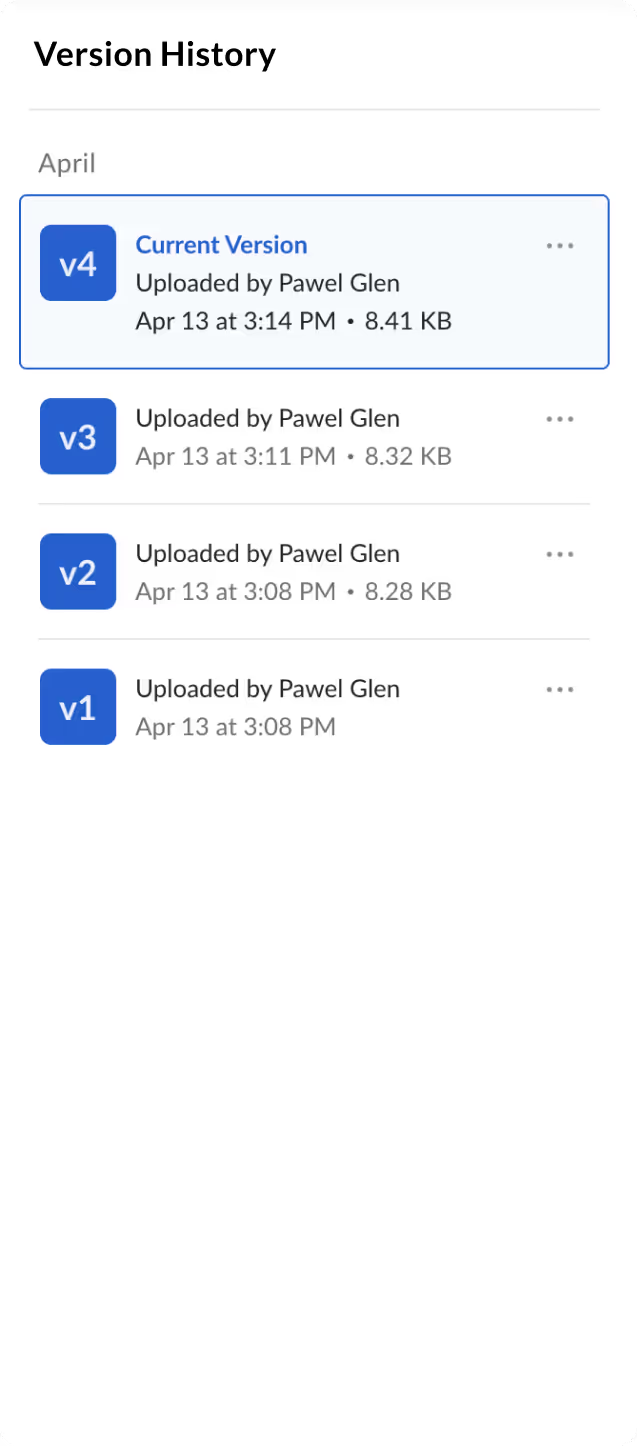
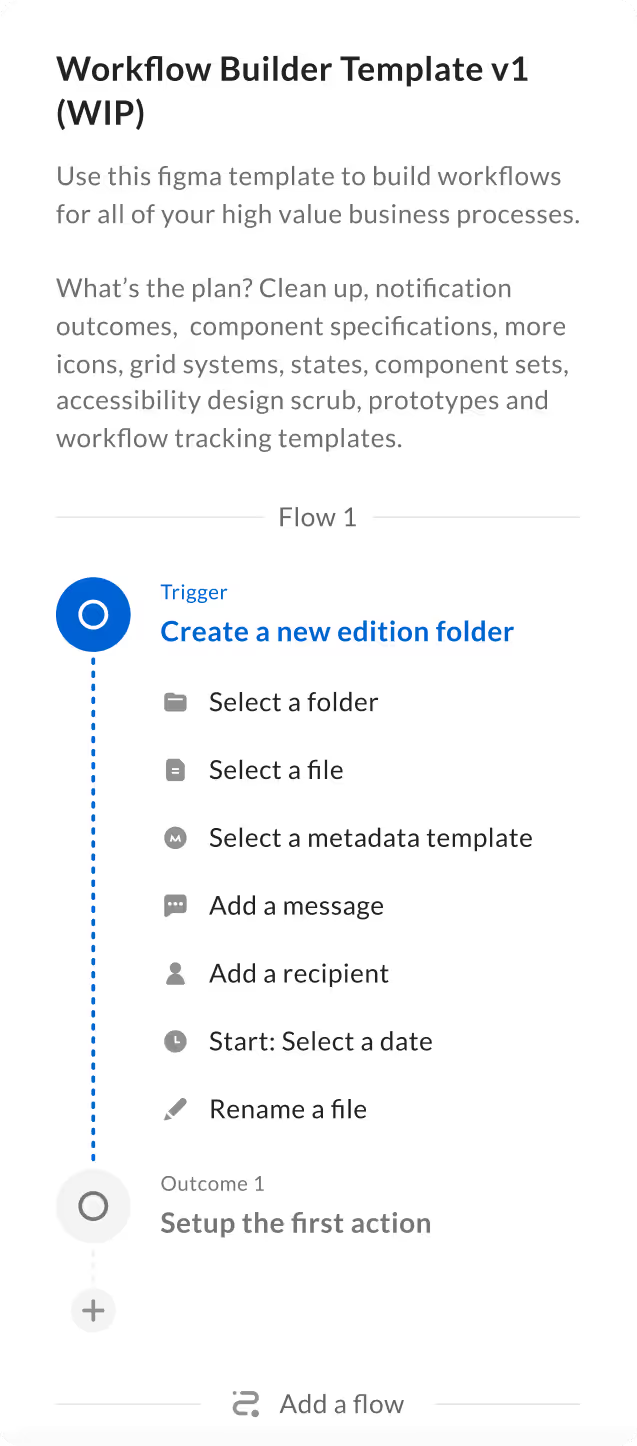
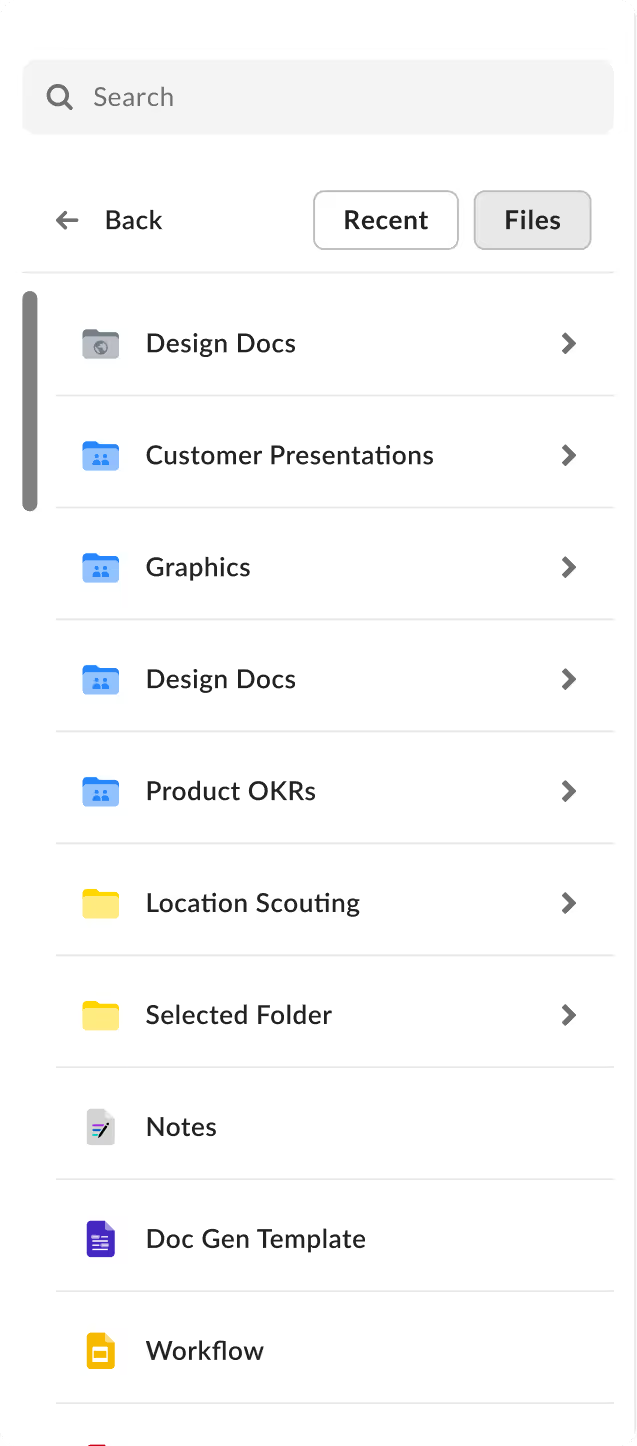
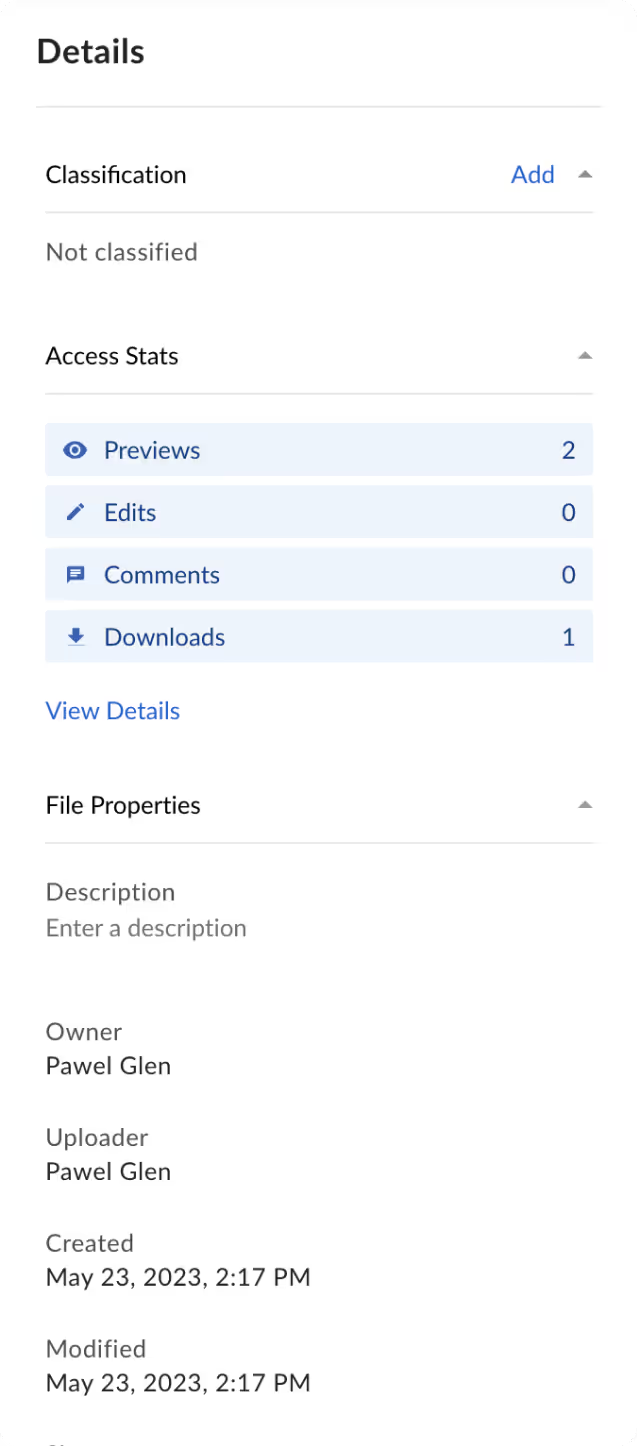
Among all Box products, Preview was paradoxical: the most used, yet the most misunderstood. With over 70 million monthly interactions, it was the surface everyone touched — but few understood what it was for.
In a series of ten unmoderated usability tests on UserTesting.com, participants repeatedly assumed they would work together in this space — assembling presentations, co-editing documents, or sharing updates in real time.
But “Preview,” as the name implied — and perhaps due to its macOS association — wasn’t designed for collaboration at all.
It was a fundamental mismatch between user perception and product intent, and one that quietly shaped how people valued Box as a workspace.
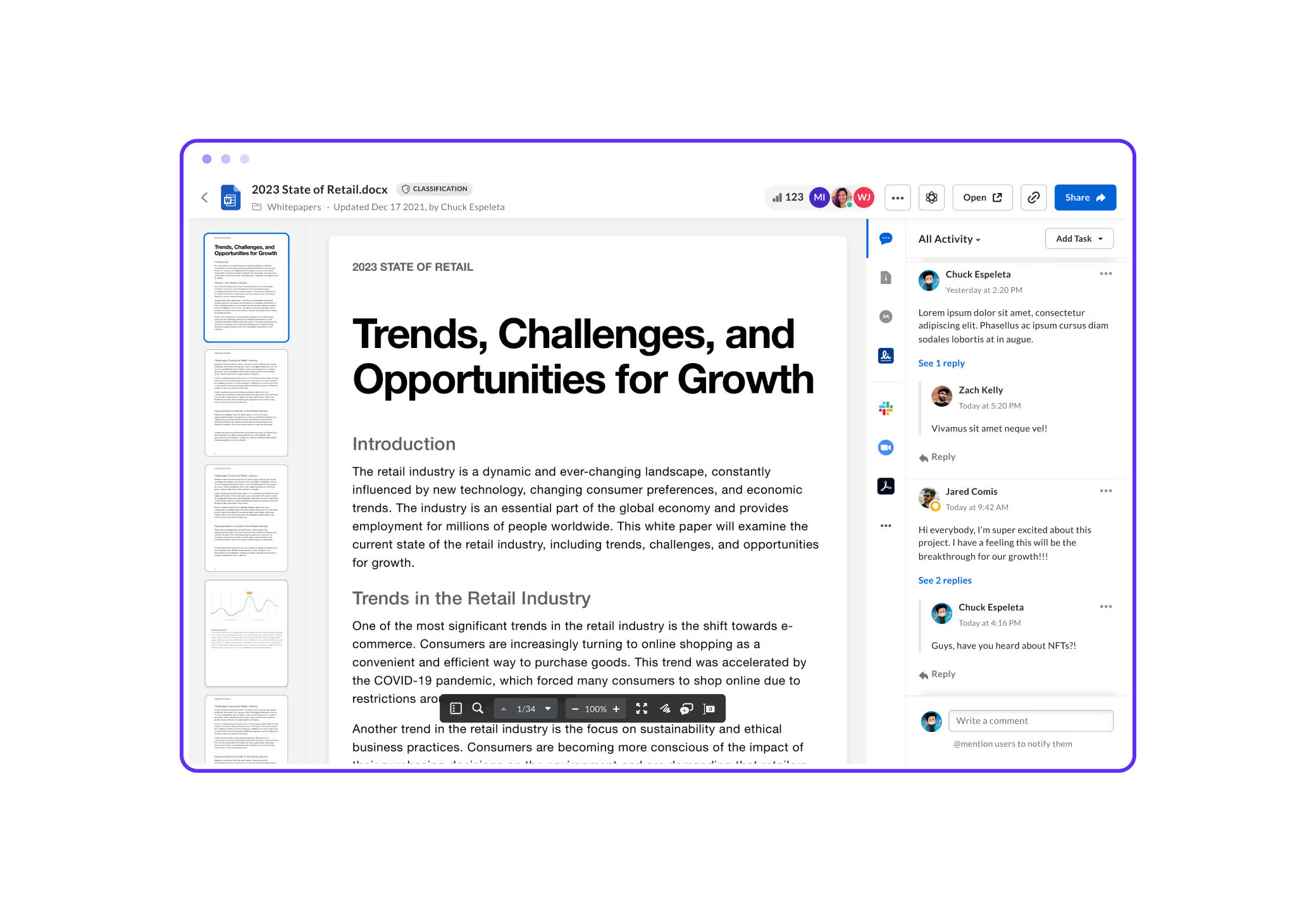
At the same time, Preview sat at the intersection of nearly every key product — from Apps to DocGen to Extract — making it not just a feature, but a foundational surface.
If Box was to evolve into an intelligent, content-driven workspace, Preview had to evolve too.
Preview’s limitations were architectural, not visual:
The reboot prioritized transparency and focus:
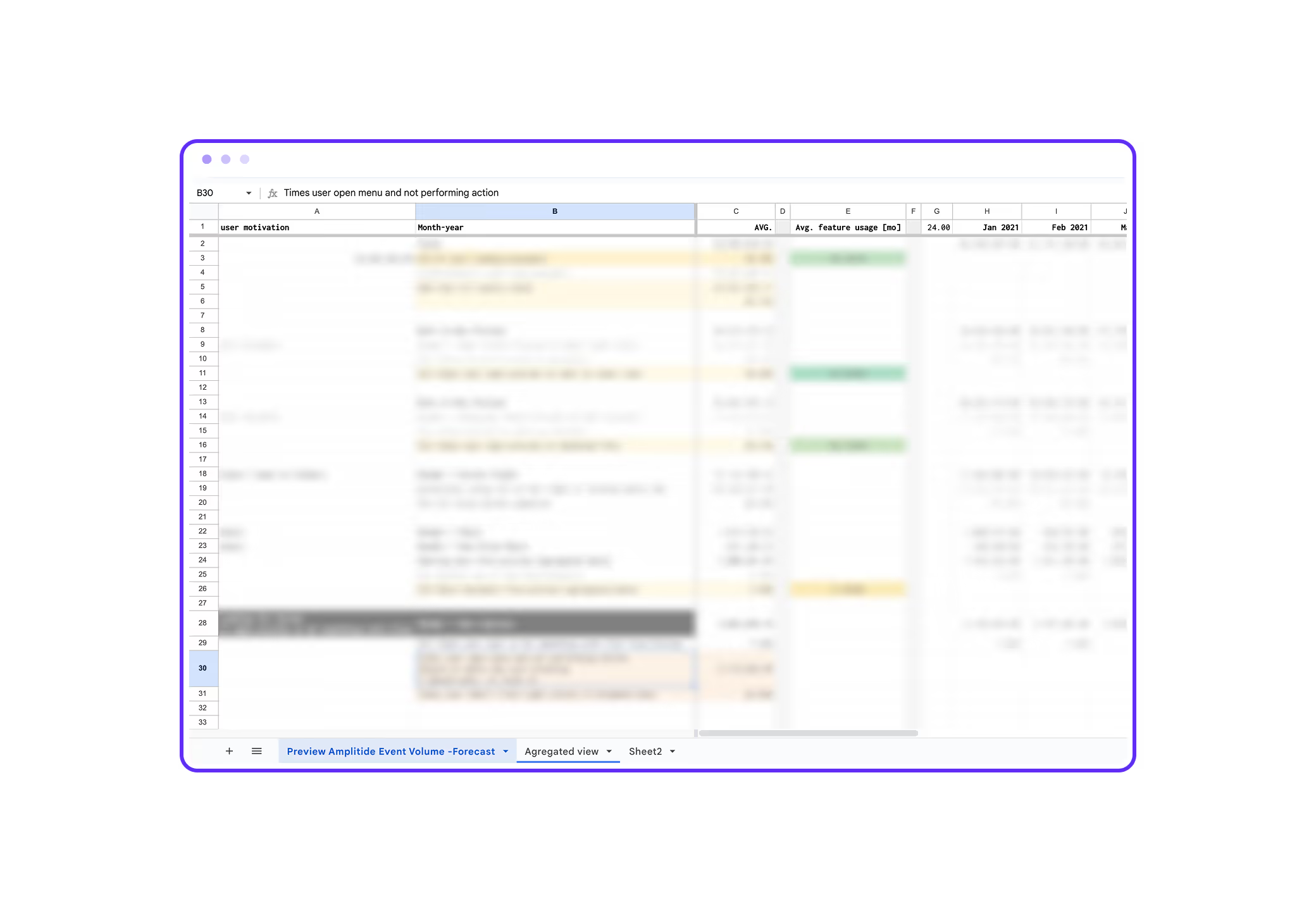
Incomplete telemetry meant key behaviors (like exit or handoff) weren’t even tracked.
Outdated infrastructure prevented experimentation and extensibility.
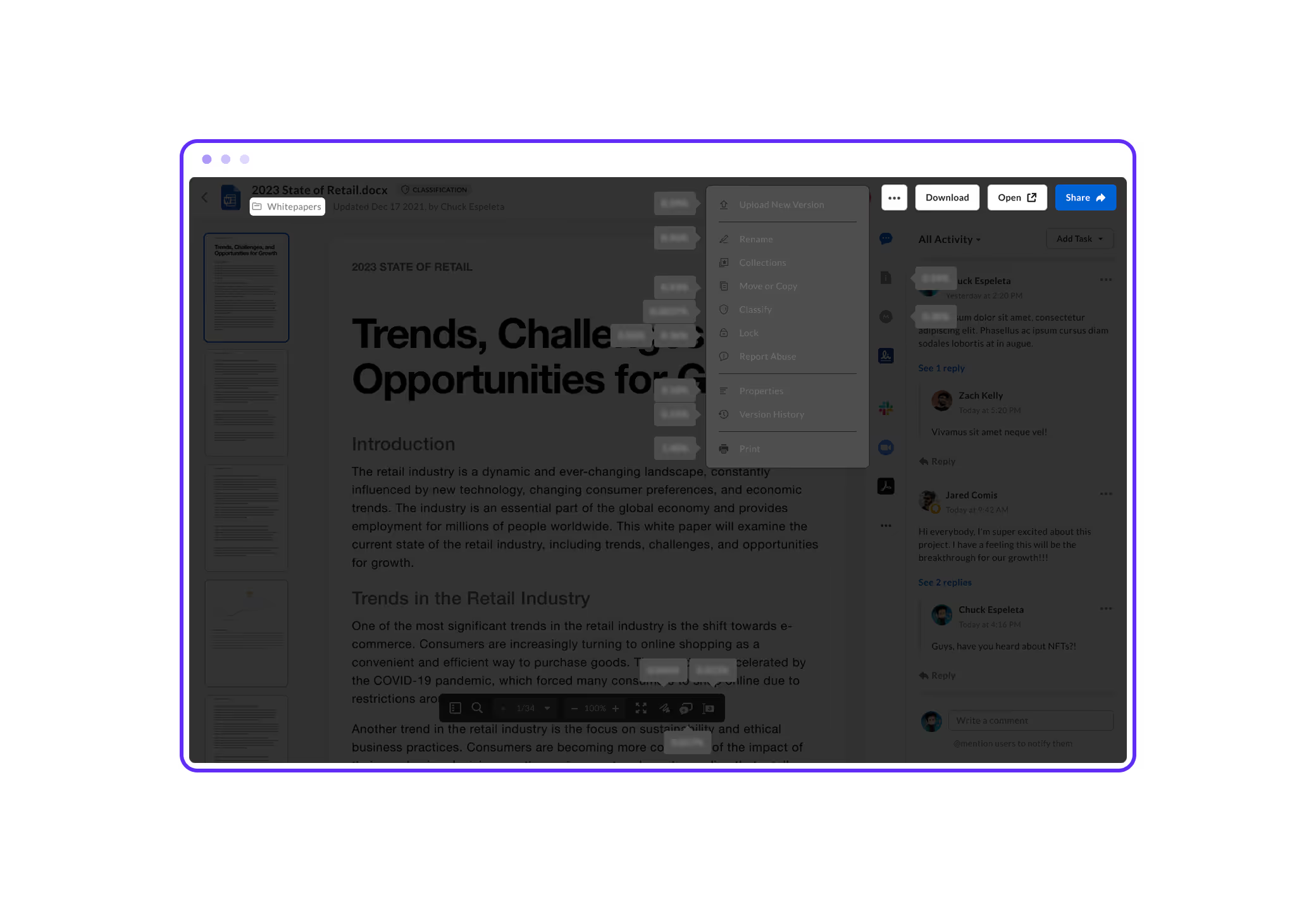
UI hierarchy amplified the wrong priorities — peripheral actions were prominent, while core workflows remained buried.
Power users bent annotations into makeshift workflows, revealing unmet collaboration needs.
Internally, the problem was often framed as “a UI cleanup.”
But it was, in reality, a strategic blind spot: a brittle legacy surface that constrained Box’s ability to deliver on its workspace vision.
With no PM, no dedicated team, and no official brief, I initiated an exploratory effort — later referred to as Box Workspace — to understand and redefine Preview’s role.
Key contributions:
Conducted telemetry and heuristic audits that revealed behavioral blind spots and missing data.
Designed and ran 10 unmoderated tests on UserTesting.com to uncover user expectations — confirming that people perceived Preview as a place to work, not just view.
Mapped UX and technical bottlenecks that blocked iteration and scalability.
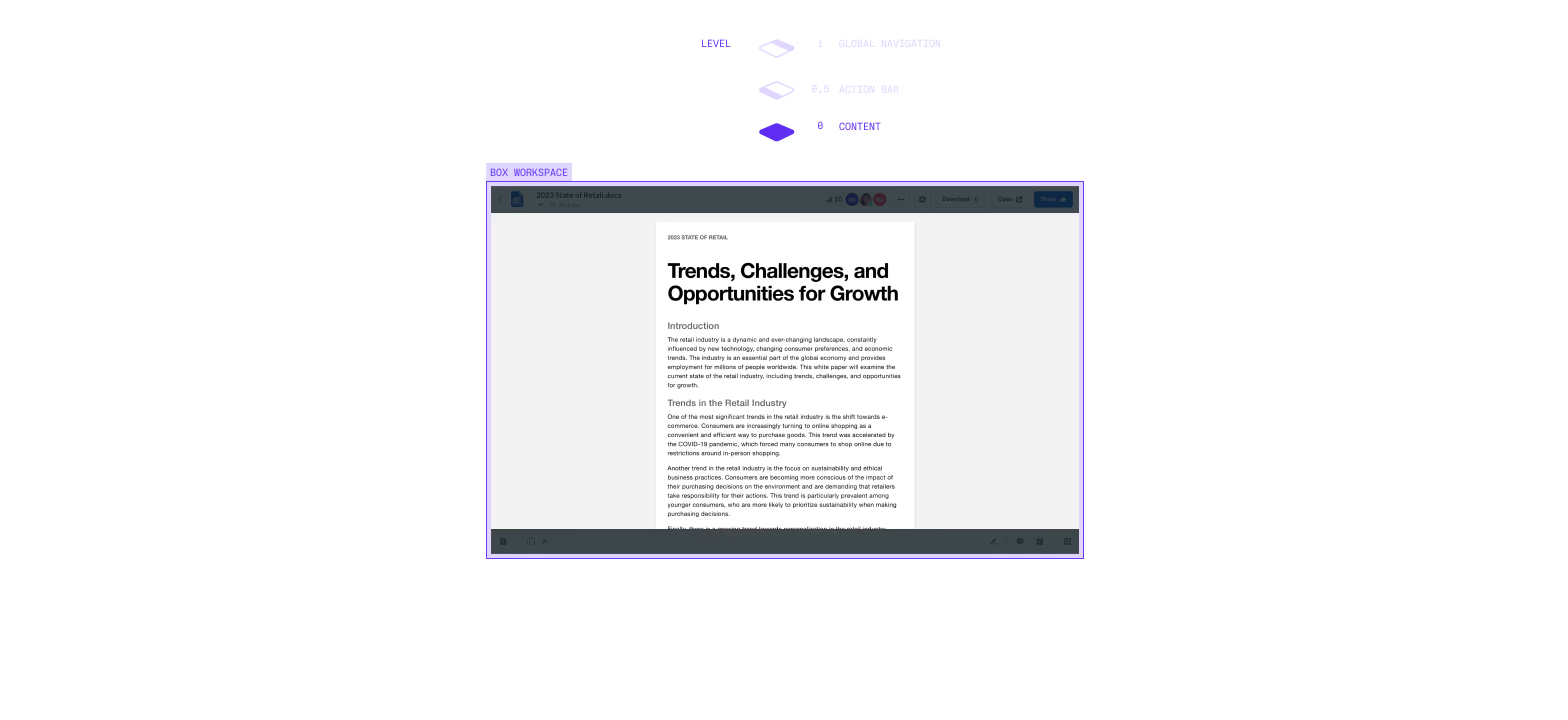
Proposed a modular architecture separating content display, collaboration, and system data layers.
Shared early findings and conceptual framing with Box’s C-suite — Ben Kus (CTO), Diego Dugatkin (CPO), Alan Chappell (CDO) — alongside senior directors from Core Experiences and Enterprise Product, to initiate platform-level dialogue on the architectural role of Preview within Box’s future workspace vision.
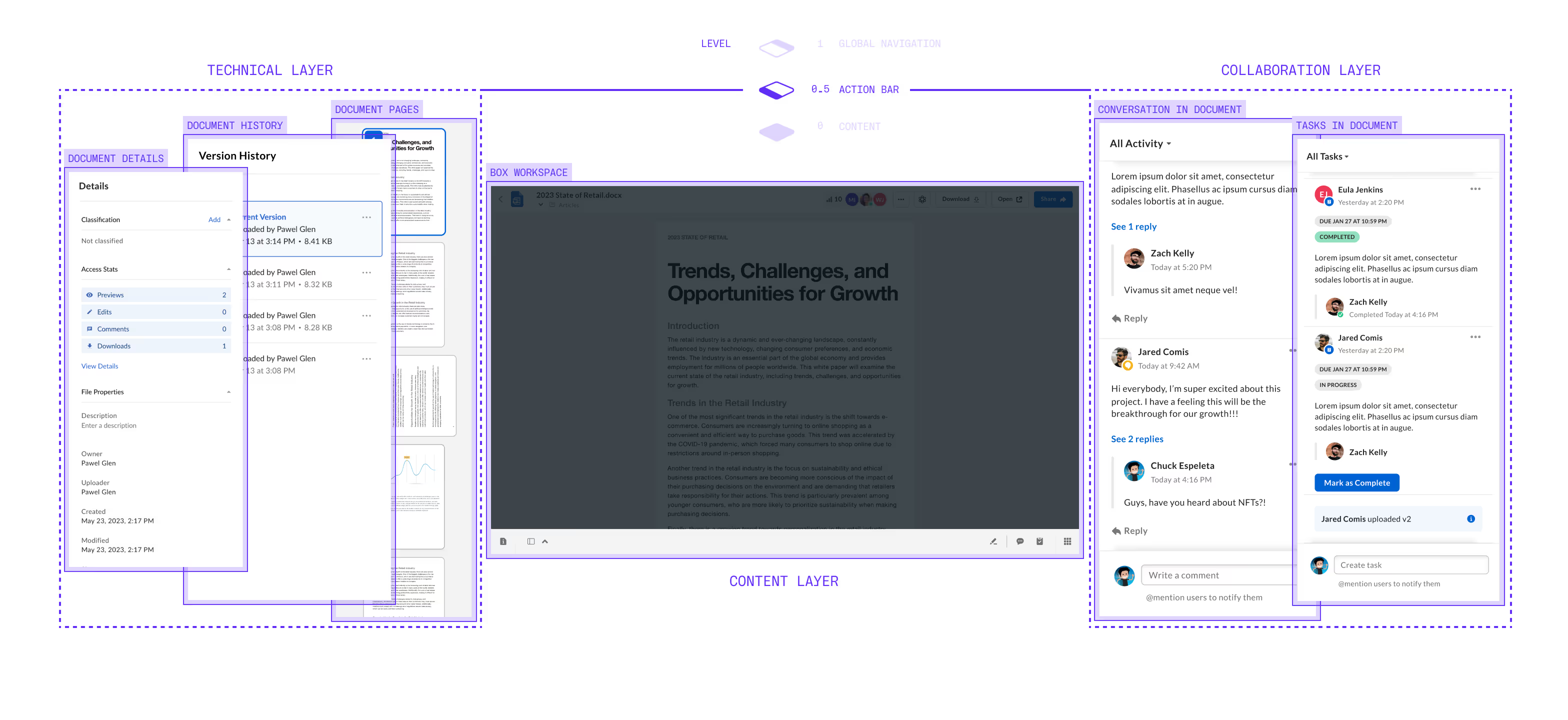
I introduced a three-layer framework that redefined Preview’s architecture and intent:
Content Layer — the document as the central, editable entity.
Collaboration Layer — annotations, comments, and real-time presence as modular services.
Technical Layer — metadata, version history, and API-based extensibility.
Recognizing the political and organizational inertia around Preview, I adopted a “play it safe” strategy — incremental change as leverage for systemic discussion.
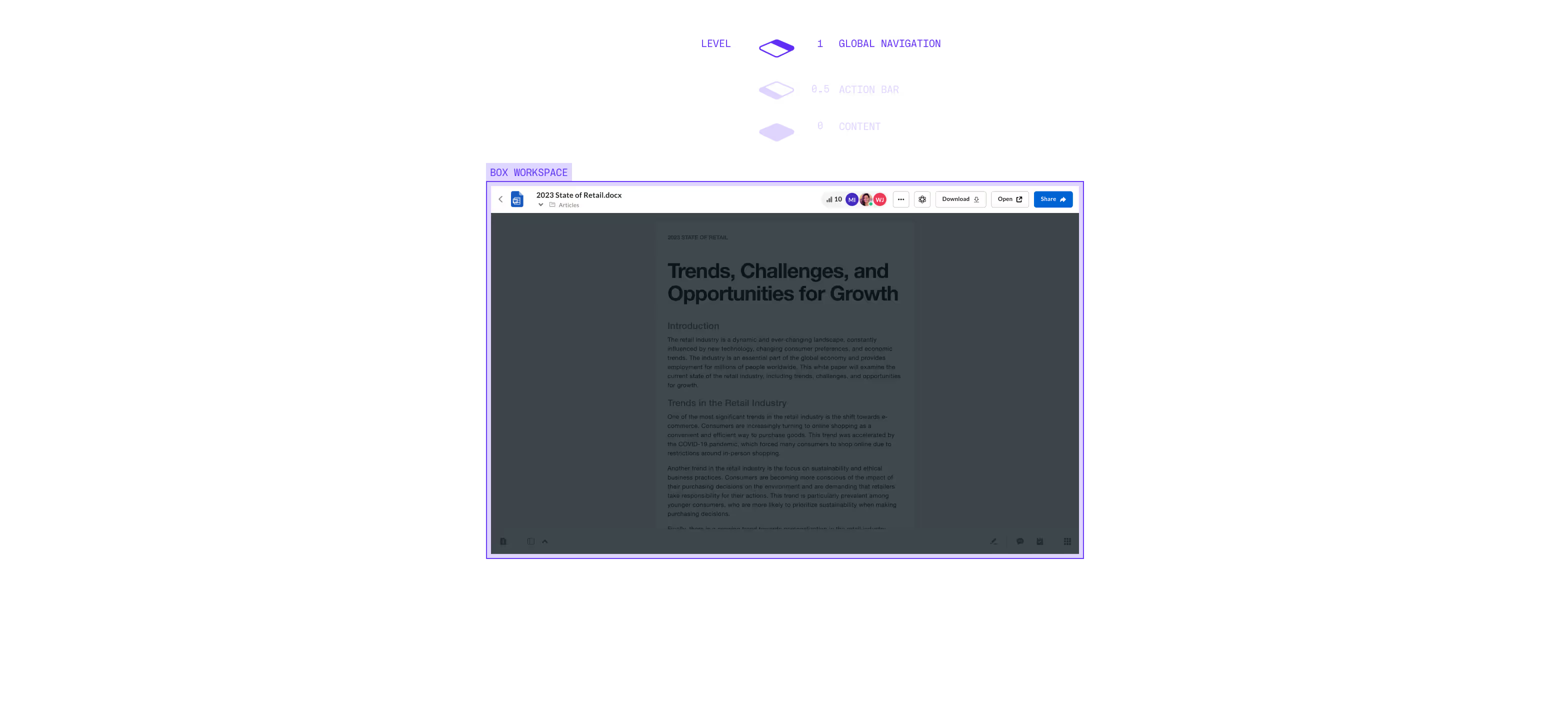
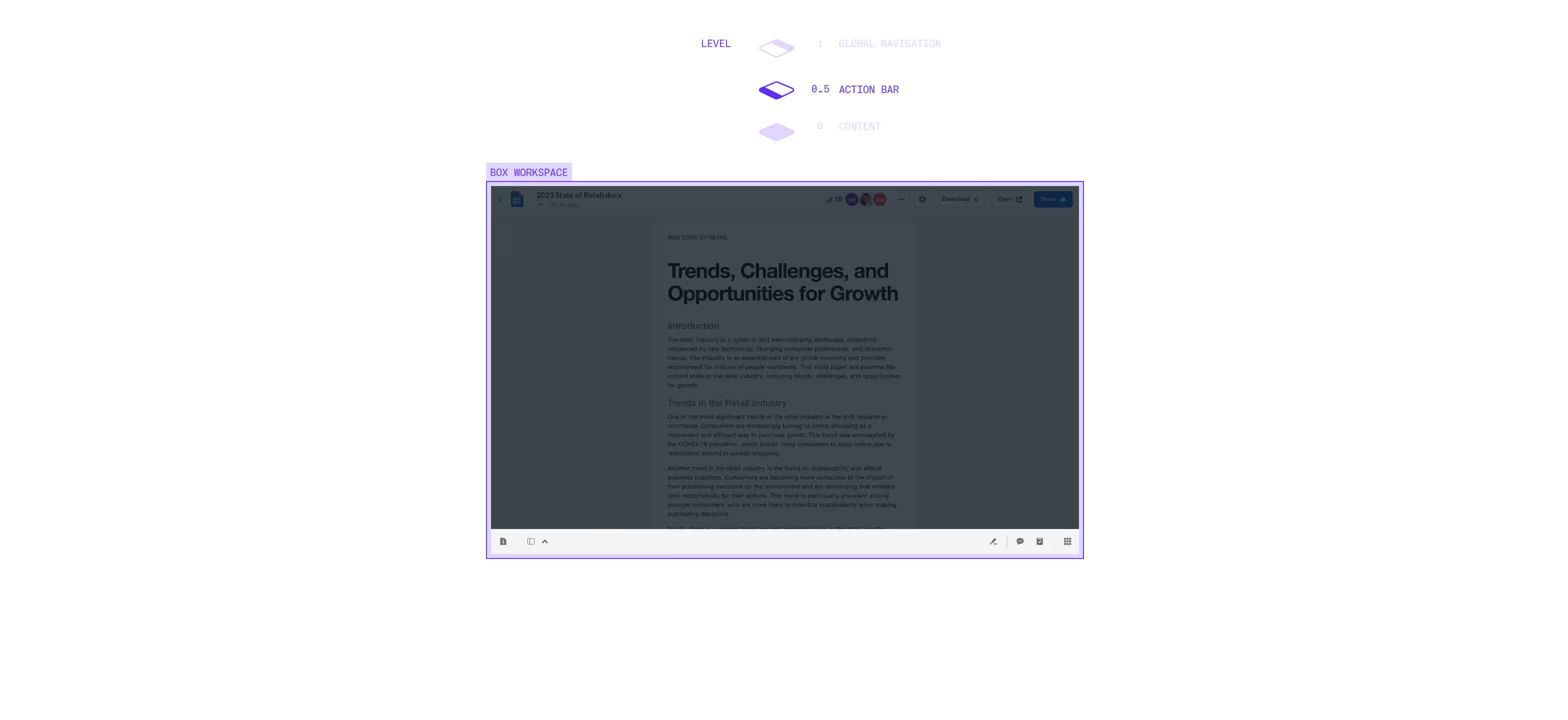
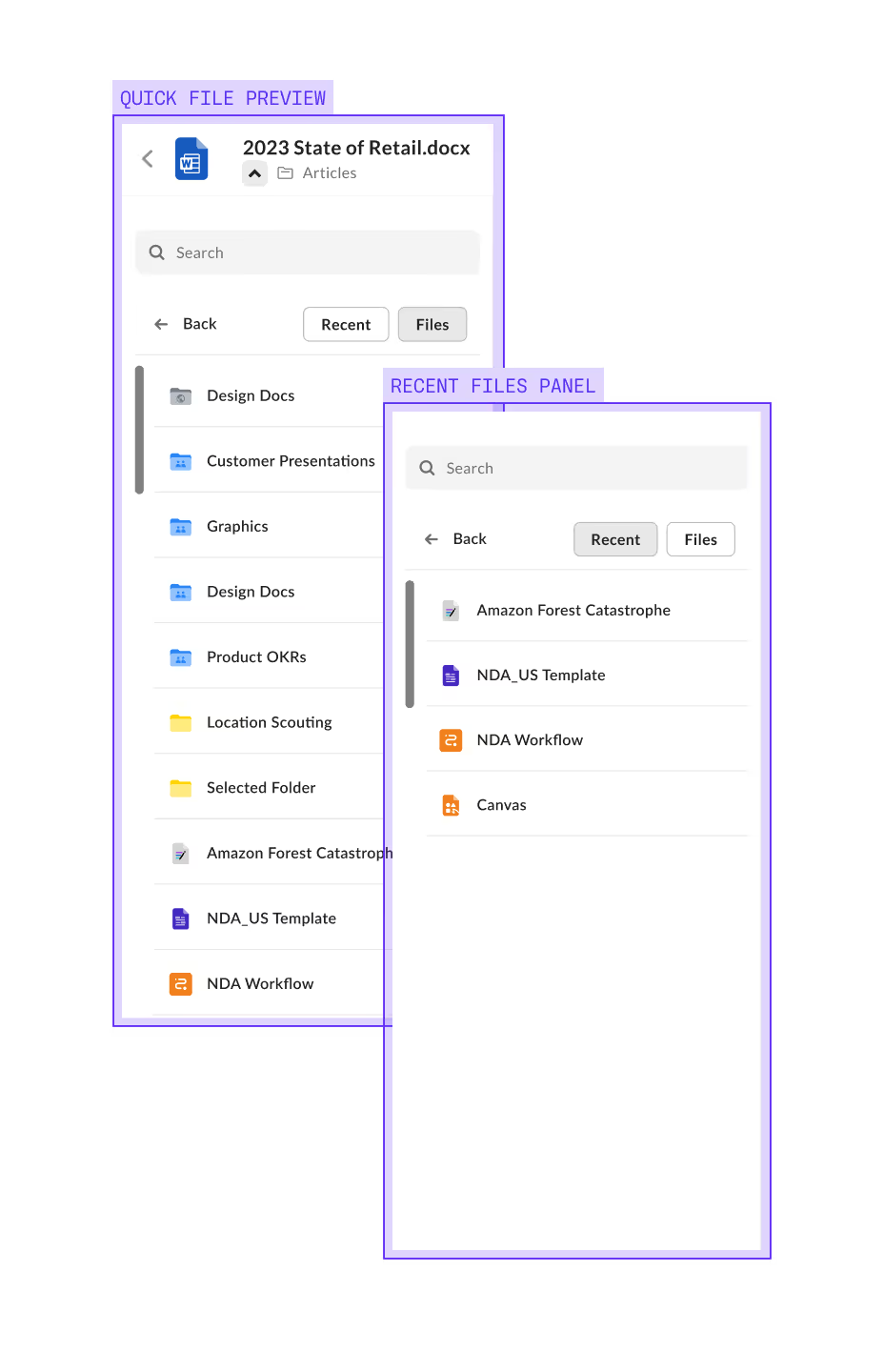
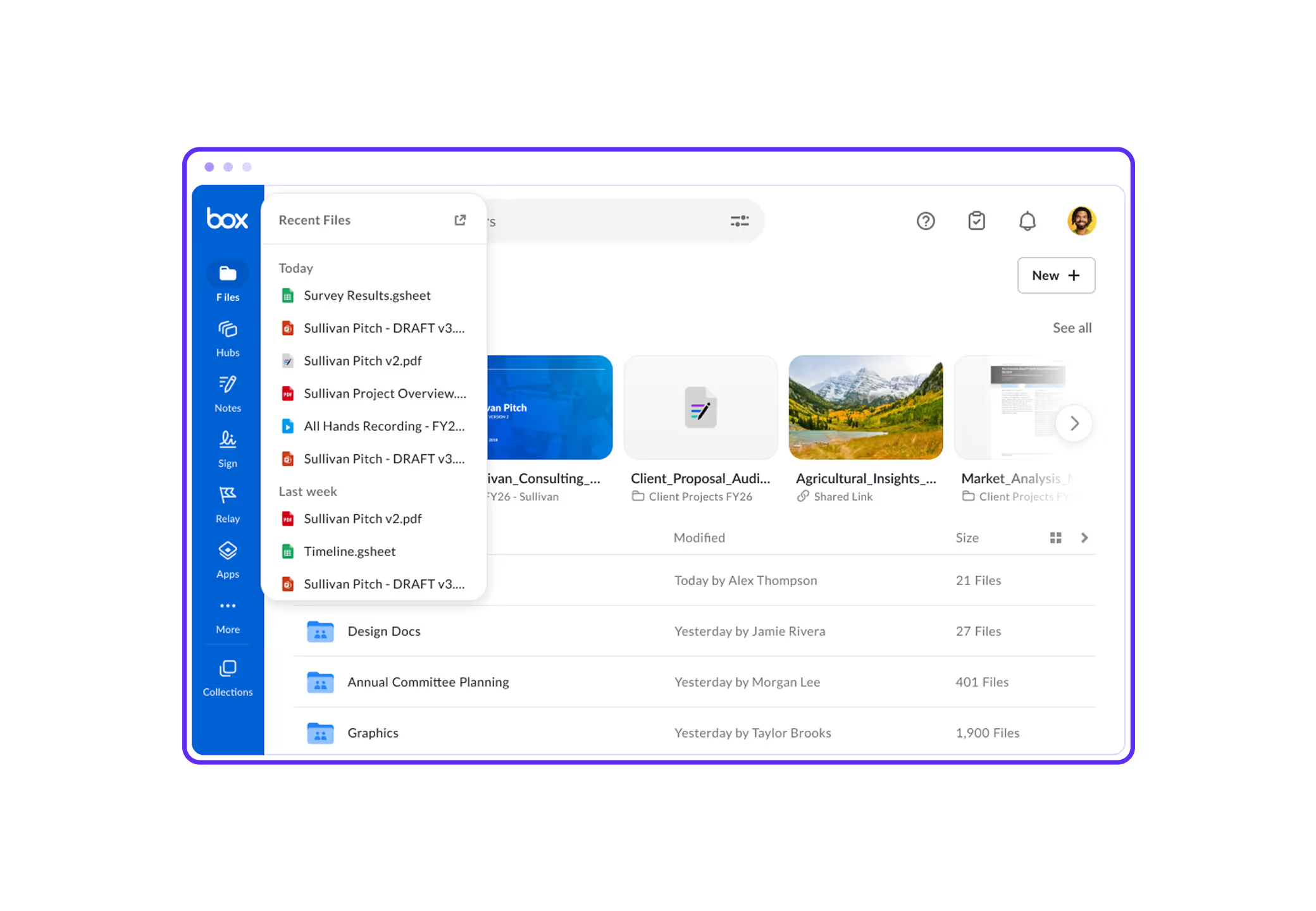
Instead of pitching a disruptive overhaul, I implemented a contained, visible improvement: moving the vertical action bar into a horizontal interaction strip.
This change had two purposes:
Deliver a clear UX win with low implementation risk.
Serve as a credible wedge to start architectural and strategic conversations with leadership.
“It wasn’t just a conversation starter — it was a safe move with a bigger motive: to make the next step possible.”
While not a formally funded initiative, Workspace generated tangible influence:
Expanded telemetry coverage, improving visibility into user behavior across Preview.
Surfaced multiple architectural vulnerabilities, reported to engineering and product leadership (resolution dependent on larger structural changes).
Catalyzed internal discussions that helped reposition Preview from a passive viewer to an active workspace surface.
Informed early direction for the future Workspace roadmap within Core Experiences.
From a behavioral and business perspective:
Simplified workflows increased stickiness of key actions tied to enterprise pricing tiers, improving user retention potential and reducing churn.
Optimized front-end load times yielded measurable efficiency and sustainability gains (estimated 25+ tons CO₂/year saved across scale).
“Staff-level work often means moving just enough to start a system in motion.”
This initiative wasn’t about redesigning Preview — it was about redefining its purpose.
By starting small, gathering evidence, and creating alignment around a larger architectural vision, I helped Box begin to see its most familiar product not as a viewer, but as the foundation for its future workspace.